Role of UNESCO in Indian Tourism: Preserving Heritage, Enriching Travel
Whenever we talk about the world’s most famous tourist destinations, the name UNESCO World Heritage Sites immediately comes to mind. UNESCO not only preserves cultural and natural treasures but also gives tourism a global platform. Let’s explore what UNESCO is, how it works, the process behind declaring World Heritage Sites, and why this matters so much for tourism.

Origin of UNESCO
- Full Form: United Nations Educational, Scientific and Cultural Organization
- Established: 16 November 1945 (right after World War II at the London Conference)
- Headquarters: Paris, France
👉 Its founding aim was “peace building through education, science, culture and communication.” World leaders realised after WWII that peace cannot only be maintained through weapons, but also through knowledge, cultural understanding, and cooperation.
Structure of UNESCO
UNESCO has a clear organisational structure:
- General Conference – All member nations participate here, and broad policies are decided.
- Executive Board – Implements the decisions and oversees day-to-day functions.
- Secretariat – Headed by the Director-General and staff, responsible for executing programmes worldwide.
👉 Thanks to this structure, UNESCO’s decisions are transparent, democratic, and internationally recognised.
Member Countries
There are 194 Member States and 12 Associate Members of UNESCO. India has been a member since 1946.
👉 This wide membership ensures that heritage protection is truly global in scale, and almost every nation is involved in some capacity.
Responsibilities and Works of UNESCO
UNESCO’s work is broad and covers many fields:
- Education – global literacy programmes, higher education development.
- Science – ocean studies, climate change, ecological research.
- Culture – preservation of tangible and intangible heritage.
- Communication – promoting freedom of press, bridging the digital divide.
👉 From a tourism angle, the most important role is cultural and heritage preservation, because this directly affects travel destinations.
UNESCO World Heritage Sites in India – Norms, Process & Tourism Impact
India is one of the world’s richest countries in terms of culture and natural diversity, with 42 UNESCO World Heritage Sites (as of 2025). These range from ancient temples and Mughal monuments to national parks and archaeological treasures. Understanding how a site in India becomes part of UNESCO’s World Heritage List gives travellers deeper insights into the importance of these destinations.
Norms for Selection of UNESCO world heritage Sites
in indiaFor any Indian monument, landscape, or natural reserve to be declared a UNESCO World Heritage Site, it must meet strict criteria under two categories:
Cultural Criteria
- Must represent outstanding universal value in history or tradition.
- Should showcase unique architecture, design, art, or heritage practices.
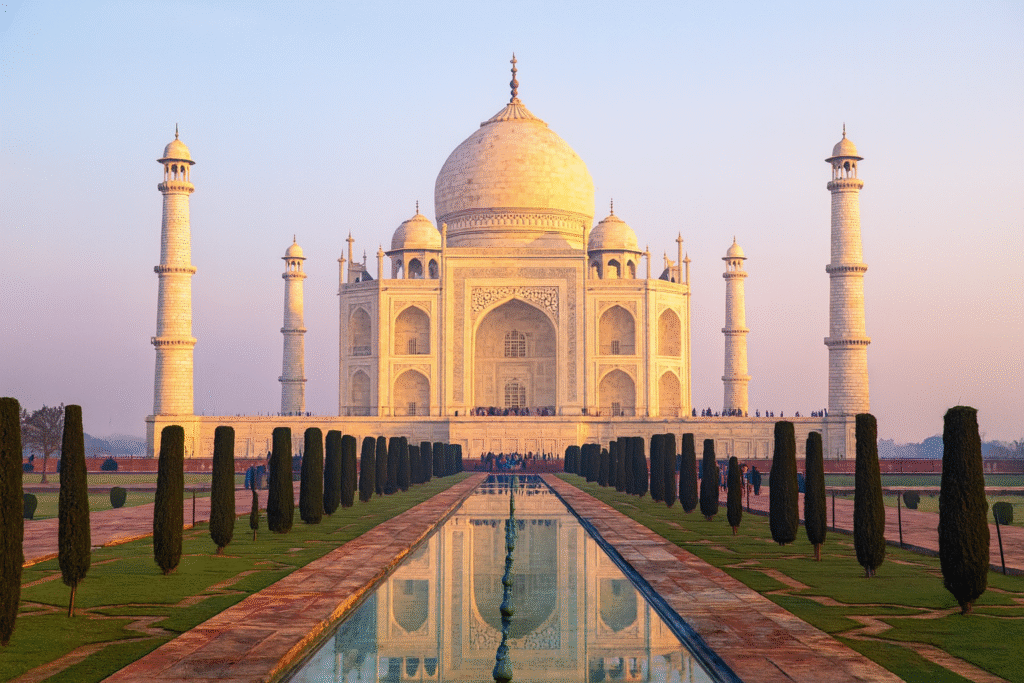
- Example: Taj Mahal (Agra, Uttar Pradesh) – Declared in 1983, it stands as the finest example of Mughal architecture and a global symbol of love.
Natural Criteria
- Must display exceptional natural beauty or ecological importance.
- Should safeguard rare biodiversity or endangered species.
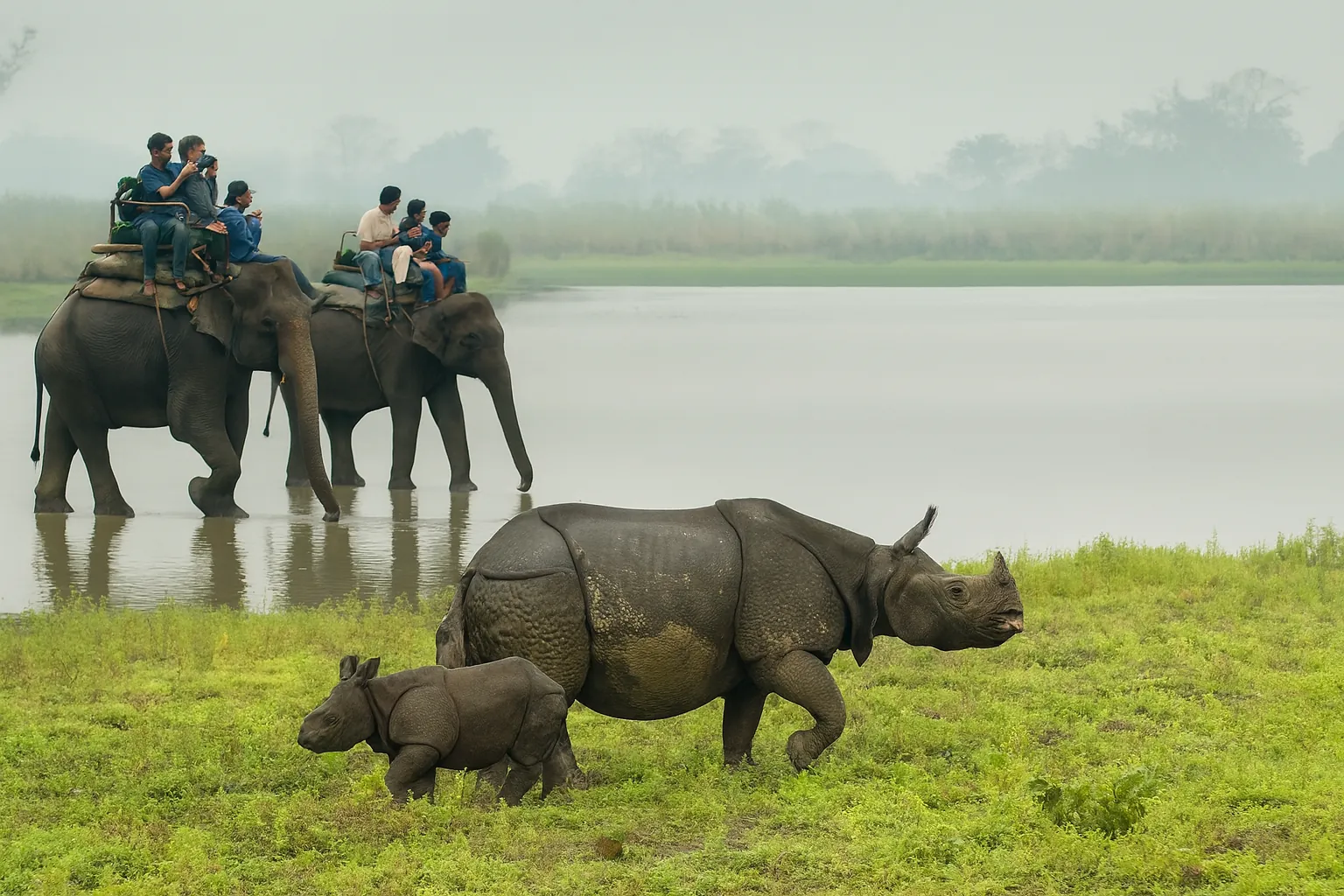
- Example: Kaziranga National Park (Assam) – World famous for protecting the largest population of the one-horned rhinoceros.
👉 These strict criteria ensure that only the most exceptional sites in India gain the UNESCO tag.
Nomination Process in India
- The Archaeological Survey of India (ASI) or the Ministry of Environment & Forests prepares a tentative list.
- A detailed nomination file is compiled with cultural, historical, and ecological details.
- Evaluation is carried out by international advisory bodies – ICOMOS (for cultural sites) or IUCN (for natural sites).
- The World Heritage Committee of UNESCO makes the final decision.
This long process ensures only the most deserving Indian sites gain global recognition.
After UNESCO Recognition – India’s Responsibilities (Role of UNESCO in Indian Tourism)
Protection & Conservation
- Strong legal and conservation plans are prepared by the ASI, state governments, and forest authorities.
- Measures against illegal construction, urbanisation, pollution, and mass tourism.
Tourism Infrastructure Development
- Building of visitor centres, ticketing systems, guided tours, signage, and parking areas.
- Promoting cleanliness and eco-friendly facilities for sustainable tourism.
International Reporting
- India must submit periodic reports every six years to UNESCO.
- If serious threats emerge, UNESCO can place the site on the World Heritage in Danger List.
Community Involvement
- Local communities are integrated into tourism activities.
- Employment opportunities in tour guiding, handicrafts, transport, and hospitality ensure benefits reach residents.
Tourism Benefits of UNESCO Sites in India
The UNESCO label has transformed Indian sites into global tourism icons:
- Global Recognition – Travellers from across the world plan their trips around India’s UNESCO sites.
- Economic Growth – Boost for hotels, restaurants, handicraft industries, and local markets.
- Sustainable Tourism – Focus on eco-friendly tourism, reducing environmental and cultural damage.
- Premium Branding – A UNESCO site becomes a “must-visit” destination in international tourism circuits.
👉 For India, this recognition translates into both preservation and prosperity.
Famous UNESCO world heritage Sites in India
- Taj Mahal (Agra, Uttar Pradesh) – A global symbol of love and Mughal architecture.
- Ajanta & Ellora Caves (Maharashtra) – Rock-cut caves reflecting Buddhist, Hindu, and Jain traditions.
- Sun Temple, Konark (Odisha) – A 13th-century architectural wonder in the shape of a colossal chariot.
- Kaziranga National Park (Assam) – Natural heritage site, home to tigers, elephants, and the great Indian one-horned rhinoceros.
- Jaipur City (Rajasthan) – Known as the “Pink City”, showcasing urban planning and Rajput architecture.
UNESCO World Heritage Sites in India
| World Heritage Sites | States/UTs | Entry Year |
| I. Cultural World Heritage Sites: | ||
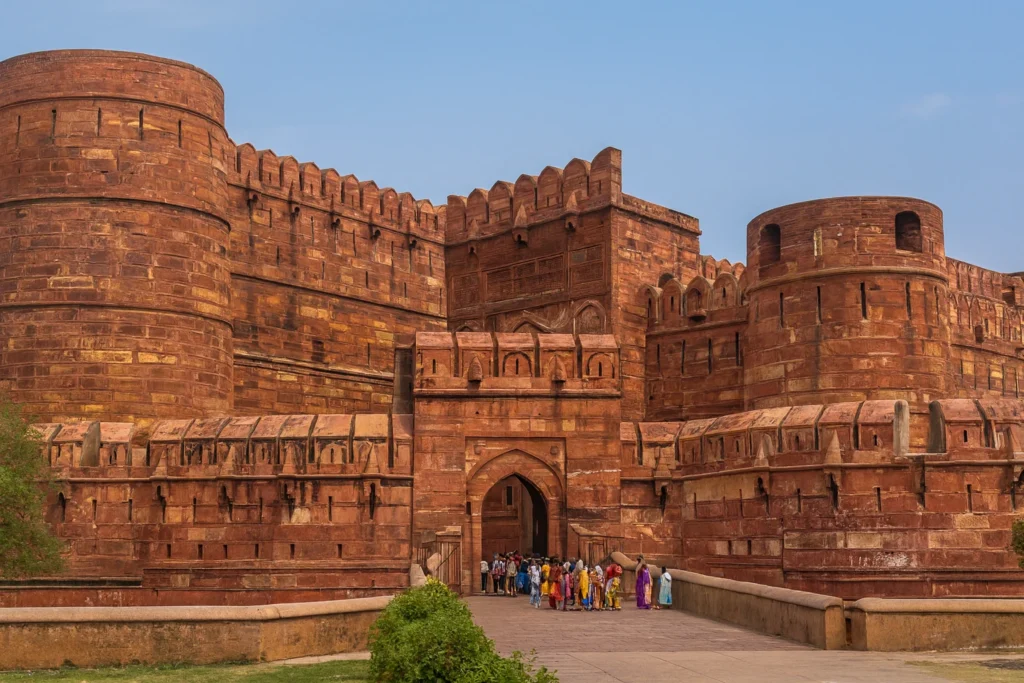
| Agra Fort | Uttar Pradesh | 1983 |
| Taj Mahal | Uttar Pradesh | 1983 |
| Ellora Caves | Maharashtra | 1983 |
| Ajanta Caves | Maharashtra | 1983 |
| Sun Temple, Konark | Odisha | 1984 |
| Group of Monuments at Mahabalipuram | Tamil Nadu | 1984 |
| Group of Monuments at Hampi | Karnataka | 1986 |
| Khajuraho Group of Monuments | Madhya Pradesh | 1986 |
| Fatehpur Sikri | Uttar Pradesh | 1986 |
| Churches and Convents of Goa | Goa | 1986 |
| Great Living Chola Temples | Tamil Nadu | 1987 |
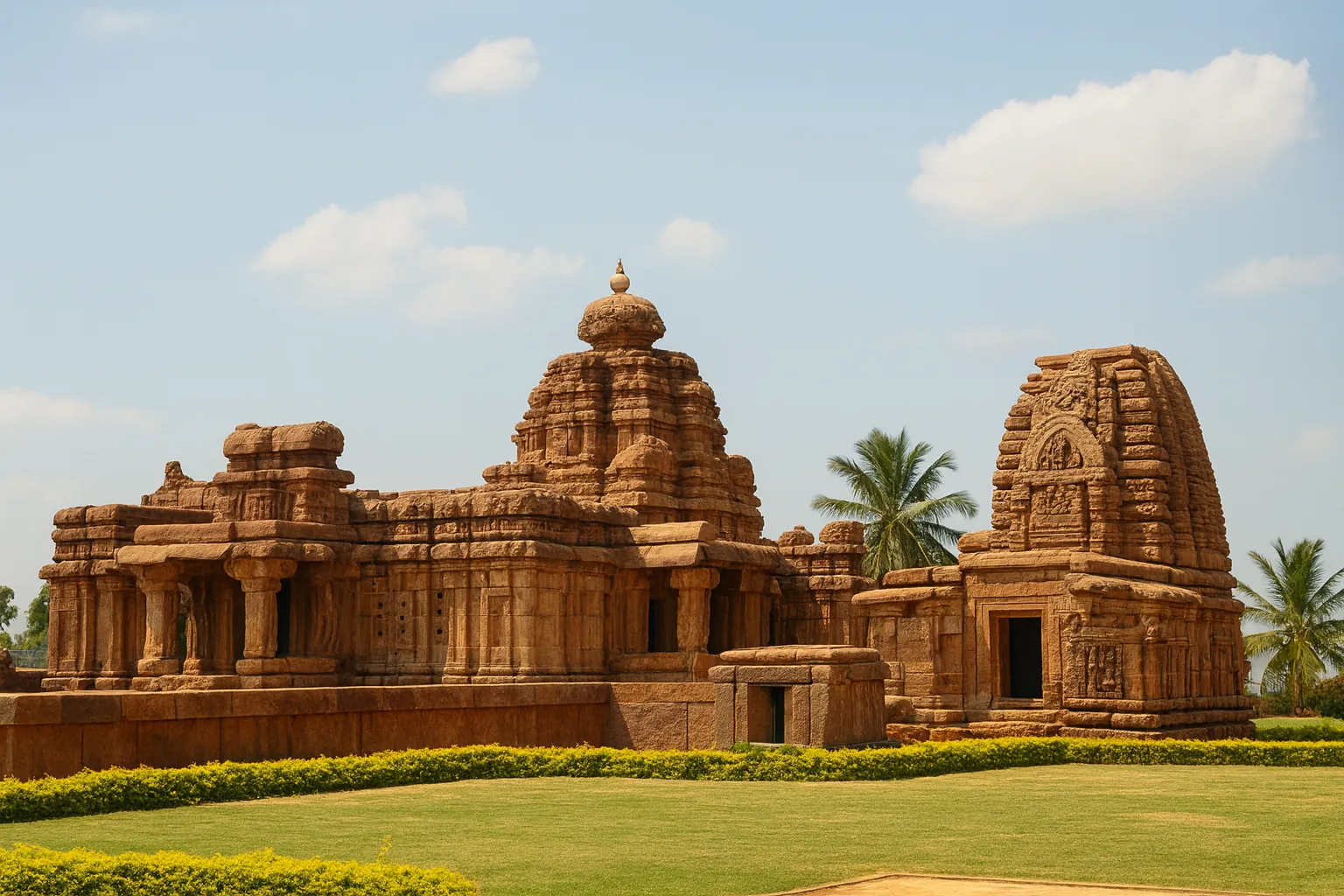
| Group of Monuments at Pattadakal | Karnataka | 1987 |
| Elephanta Caves | Maharashtra | 1987 |
| Buddhist Monuments at Sanchi | Madhya Pradesh | 1989 |
| Humayun’s Tomb | Delhi | 1993 |
| Qutb Minar and its Monuments | Delhi | 1993 |
| Mountain Railways of India:i. The Darjeeling Himalayan Railwayii. The Nilgiri Mountain Railwayiii. The Kalka–Shimla Railway | 1. West Bengal2. Tamil Nadu3. Himachal Pradesh | 1999 – 2005 – 2008 |
| Mahabodhi Temple Complex at Bodh Gaya | Bihar | 2002 |
| Rock Shelters of Bhimbetka | Madhya Pradesh | 2003 |
| Chhatrapati Shivaji Terminus | Maharashtra | 2004 |
| Champaner-Pavagadh Archaeological Park | Gujarat | 2004 |
| Red Fort Complex | Delhi | 2007 |
| The Jantar Mantar, Jaipur | Rajasthan | 2010 |
| Hill Forts of Rajasthan | Rajasthan | 2013 |
| Rani-ki-Vav | Gujarat | 2014 |
| Archaeological Site of Nalanda Mahavihara at Nalanda | Bihar | 2016 |
| The Architectural Work of Le Corbusier | Chandigarh | 2016 |
| Historic City of Ahmadabad | Gujarat | 2017 |
| The Victorian Gothic and Art Deco Ensembles of Mumbai | Maharashtra | 2018 |
| Jaipur City | Rajasthan | 2019 |
| Dholavira: a Harappan City | Gujarat | 2021 |
| Kakatiya Rudreshwara (Ramappa) Temple | Telangana | 2021 |
| Santiniketan | West Bengal | 2023 |
| Sacred Ensembles of the Hoysalas | Karnataka | 2023 |
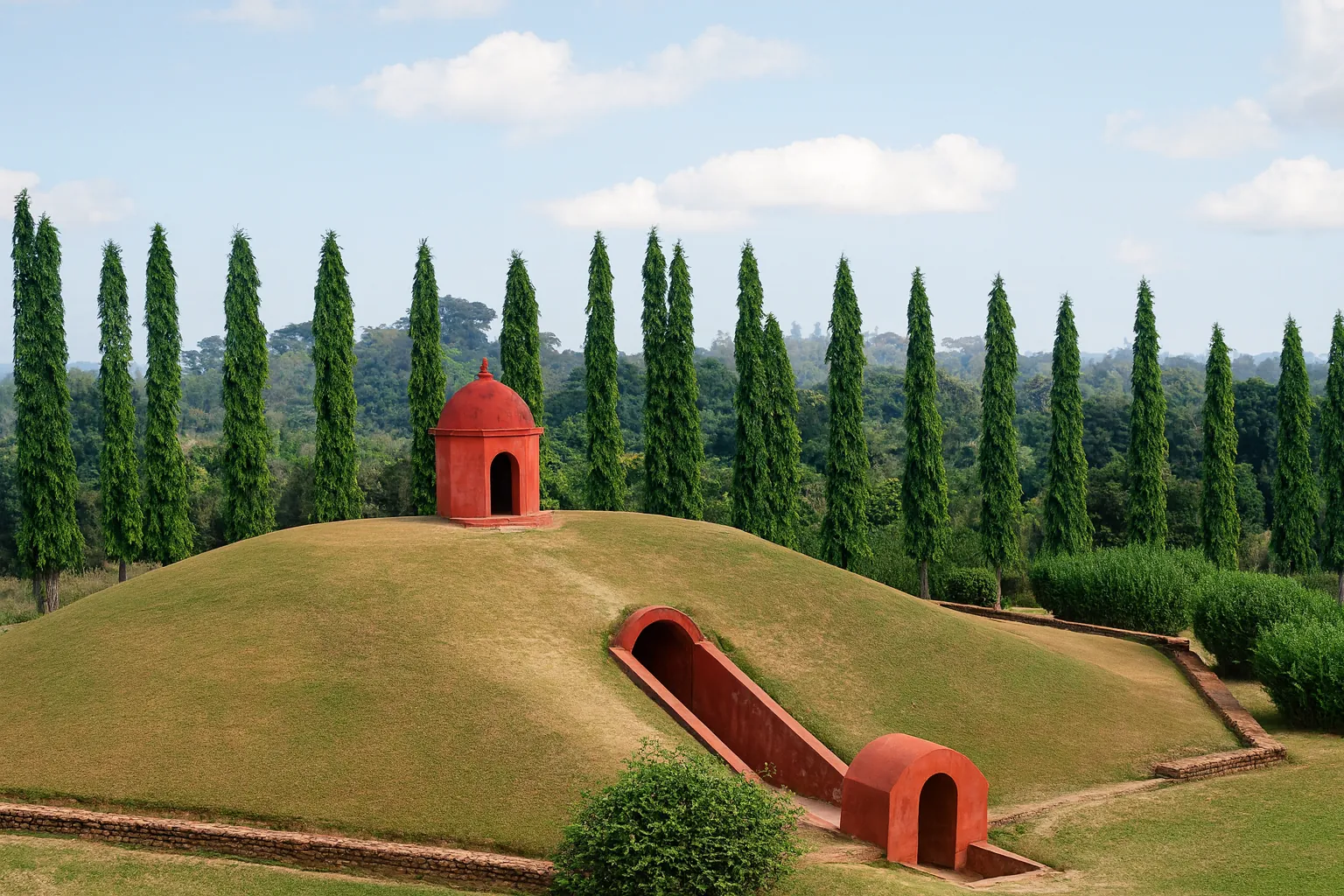
| Moidams – the Mound-Burial System of the Ahom Dynasty | Assam | 2024 |
| Maratha Military Landscapes of India | Maharashtra & Tamil Nadu | 2025 |
| II. Natural World Heritage Sites: | ||
| Keoladeo National Park | Rajasthan | 1985 |
| Kaziranga National Park | Assam | 1985 |
| Manas Wildlife Sanctuary | Assam | 1985 |
| Sundarbans National Park | West Bengal | 1987 |
| Nanda Devi and Valley of Flowers National Parks | Uttarakhand | 1988, 2005 |
| Western Ghats | Gujarat, Maharashtra, Goa, Karnataka, Kerala, Tamil Nadu | 2012 |
| Great Himalayan National Park | Himachal Pradesh | 2014 |
| III. Mixed World Heritage Sites: | ||
| Khangchendzonga National Park | Sikkim | 2016 |
👉 Each of these sites has seen a major tourism boom after being included in the UNESCO list.
India’s Case Studies and Lessons for Tourism
Heritage tourism thrives on the treasures safeguarded under UNESCO’s World Heritage Convention. Beyond the glamour of global recognition, there is a critical responsibility: governments must submit periodic reports every six years and, if a site is under serious threat, UNESCO can place it on the World Heritage in Danger List.
For India, a country with 42 UNESCO World Heritage Sites (as of 2025), this system has shaped not just conservation policies but also the flow of international tourism. Understanding how these mechanisms work, and why certain Indian sites have been flagged in the past, helps travellers appreciate the delicate balance between tourism and preservation.
Why Does UNESCO Demand Periodic Reports?
Every six years, India must submit a Periodic Report to UNESCO covering:
- The condition of each listed World Heritage Site.
- Conservation steps taken by authorities (Archaeological Survey of India, Forest Department, State bodies).
- Threats like urbanisation, pollution, poaching, climate change, and tourism pressure.
This process ensures transparency, accountability, and creates an international record. For tourists, it’s a hidden guarantee: the Taj Mahal, Hampi, or Kaziranga are not just scenic stops, but actively monitored heritage landscapes.
👉 Periodic reporting acts like a health check-up for monuments and natural sites, ensuring their survival for future generations of travellers.
What is the World Heritage in Danger List?
When UNESCO identifies threats that could damage the Outstanding Universal Value (OUV) of a site, it can move the location to the World Heritage in Danger List.
Reasons include:
- Armed conflict and unrest
- Uncontrolled urban development
- Poaching and habitat loss
- Natural disasters or climate impacts
- Neglect and mismanagement
Paradoxically, a “Danger” tag is not a punishment—it’s a call for global cooperation, bringing in funding, expert guidance, and visibility.
👉 Think of it as an emergency room for heritage sites: quick attention before irreversible damage occurs.
Indian Examples of UNESCO Sites Once in Danger
1. Manas Wildlife Sanctuary, Assam
- Danger List Period: 1992 – 2011
- Why? Civil unrest in Assam (Bodo movement), poaching of rhinos, and habitat destruction.
- Tourism Impact: Tourist footfall dropped sharply in the 1990s due to safety issues.
- How It Recovered: Anti-poaching squads, resettlement of rhinos from Kaziranga, and peace initiatives led to UNESCO removing it from the Danger List in 2011.
📷 Photo idea: Manas National Park’s lush grasslands with rhinos (credit: Assam Tourism / assamtourism.gov.in)
2. Group of Monuments at Hampi, Karnataka
- Danger List Period: 1999 – 2006
- Why? Plans for a suspension bridge across the Tungabhadra River, unchecked construction, and lack of heritage management threatened the ruins of the Vijayanagara Empire.
- Tourism Impact: International criticism risked Hampi’s image as a premier heritage destination.
- How It Recovered: The project was stopped, and the Hampi World Heritage Area Management Authority (HWHAMA) was set up for integrated site management.
Current Concerns in India
While no Indian site is on the Danger List today (2025), challenges persist:
- Taj Mahal, Agra: Air pollution and groundwater depletion pose long-term risks to the marble structure.
- Himalayan Sites: Increasing tourism and climate change (glacier retreat, flash floods) are raising alarms.
- Urban Pressure: Encroachment near Ajanta, Ellora, and Jaipur’s old city threatens their cultural integrity.
📷 Photo idea: Taj Mahal shrouded in light morning haze (credit: Uttar Pradesh Tourism / uptourism.gov.in)
Why Danger List Matters for Tourism
For travellers, a UNESCO tag is a symbol of prestige. But when a site makes it to the Danger List, it impacts:
- Visitor Numbers: Safety concerns and negative publicity can reduce arrivals.
- Reputation: The global image of the destination suffers.
- Conservation Tourism: On the positive side, conscious tourists may visit to support restoration and raise awareness.
👉 Travelling to World Heritage Sites means stepping into living museums—tourism must enrich them, not exhaust them.
Key Takeaways
- India’s experience with Manas and Hampi shows that recovery from the Danger List is possible with strong governance and local participation.
- Tourists can contribute by choosing sustainable travel practices—respecting buffer zones, minimising plastic use, and supporting eco-friendly accommodations.
- Governments must continue timely reporting to UNESCO, as prevention is easier than emergency rescue.
Indian Heritage / Natural Sites Under Serious Threat (Not Yet on Danger List)
| Site | Type | Threats / Why at risk | Notes |
|---|---|---|---|
| Rakhigarhi, Haryana (Indus Valley Civilisation site) | Cultural / Archaeological | Encroachment (private houses), illegal sand mining, destruction of mounds due to cultivation, soil erosion, theft / looting of artefacts. | Declared by the Global Heritage Fund (2012) among the 10 most endangered heritage sites in Asia. |
| Mangar Bani, Haryana / NCR | Archaeological / Natural / Sacred Grove | Encroachment, illegal construction, littering & vandalism, threats from nearby waste-to-energy plant and landfill, degradation of biodiversity, illegal felling etc. | Not a UNESCO site yet, but activists are pushing for serious protection. |
| Simlipal National Park, Odisha | Natural | Threats related to human-wildlife conflict, habitat fragmentation, poaching, forest degradation, possible tourism pressures. | Recognised as a UNESCO Biosphere Reserve, not a World Heritage Site. |
Possible Criteria for Danger Listing
These sites show several of the criteria UNESCO uses to consider Danger listing, for example:
- Ongoing or potential irreversible damage to Outstanding Universal Value (OUV).
- Inadequate protection / management / legal enforcement.
- External threats (pollution, invasive development, nearby infrastructure or waste handling).
- Loss of local habitat or cultural distinctiveness through human pressure.
State of Conservation Reports & Press Sources for Indian Sites Under Threat
- Keoladeo National Park, Rajasthan: IUCN’s 2023 report flagged issues of water supply, invasive species (Prosopis juliflora), and encroachment.
- UNESCO State of Conservation Information System (SOC): India has submitted 154 reports since 1979, covering threats from pollution, water stress, and tourism pressures.
- Jaipur Walled City: Studies (2024–2025) highlight risks from illegal construction, weak governance, and lack of trained officials.
Implications for “Sites of Concern” / Potential Danger Candidates
- Keoladeo’s uncertain water supply + invasive species could degrade its Outstanding Universal Value.
- Jaipur’s encroachments risk undermining its authenticity and cultural integrity.
If you liked our blog checkout more blogs by clicking here
How many world heritage sites in India in 2025
As of 2025, India has 44 UNESCO World Heritage Sites recognized for their cultural and natural
which is the 43rd UNESCO world heritage site in India
Charaideo Moidams in Assam is India’s 43rd UNESCO World Heritage Site.
These are royal burial mounds of the Ahom dynasty, over 700 years old, located at the foothills of the Patkai ranges in Eastern Assam.
Moidams were built as earthen/baked-brick vaults for kings and nobles, and are often compared with Egyptian pyramids .
which is the latest UNESCO world heritage site in India
The latest UNESCO World Heritage Site in India is the “Maratha Military Landscapes of India.” This collection, inscribed in July 2025, includes 12 historic forts built by the Maratha Empire, mainly in Maharashtra and one in Tamil Nadu, recognized for their outstanding military architecture and strategic brilliance.
which was the first Unesco world heritage site in india
The first UNESCO World Heritage Site in India was the Ajanta Caves, inscribed in 1983. These ancient Buddhist rock-cut caves are famous for their exquisite murals and sculptures dating back to the 2nd century BCE.
Alongside Ajanta, the other first sites inscribed in the same year were Ellora Caves, Agra Fort, and the Taj Mahal, marking India’s debut on the UNESCO World Heritage list.
India ranks at which number having such unesco world heritage sites in inda
India ranks 6th in the world in terms of the number of UNESCO World Heritage Sites, with a total of 44 sites as of 2025. Only five countries have more UNESCO World Heritage Sites than India globally
which countries have the most unesco world heritage sites answer it
As of 2025, the countries with the most UNESCO World Heritage Sites are ranked as follows:
Italy – 61 sites
China – 60 sites
Germany – 55 sites
France – 54 sites
Spain – 50 sites
India – 44 sites
Mexico – 36 sites
United Kingdom – 35 sites
Russia – 33 sites
Iran – 28 sites
Conclusion – Why UNESCO Matters for Indian Tourism
UNESCO’s mission in India is not only to protect monuments and landscapes but also to connect them with the global audience. For India, the UNESCO tag acts as a seal of authenticity and value – attracting international travellers, strengthening the economy, and ensuring heritage survives for future generations.
- For the government, it brings accountability in preservation.
- For tourists, it assures authenticity, safety, and recognition.
- For local communities, it creates jobs and pride in cultural identity.
- For more relative knowledge visit the official web site of UNESCO
- For more knowledge visit this

Karnataka Culture: Coffee, Food & Heritage Guide 2026
Karnataka Culture: Coffee, Food, Heritage and Western Ghats Life Last Updated on 5 Oct.2026 Karnataka’s…
Trekking in Karnataka: 14 Best Trails & Peaks for 2026
Trekking in Karnataka: Best Trails, Peaks and Hill Treks Last Updated on 3 Oct.2026 Karnataka…
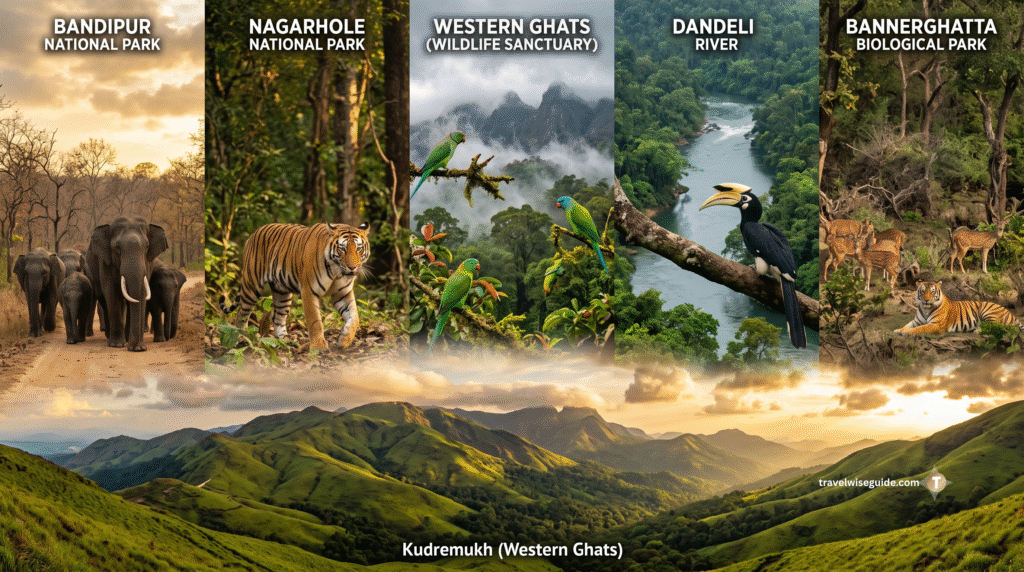
Wildlife in Karnataka: 12 Best Places to See in 2026
Wildlife in Karnataka: National Parks, Safaris and More Last Updated on 30 sept.2026 Karnataka is…
Hill Stations in Karnataka: 10 Best Places to Visit in 2026
Hill Stations in Karnataka: Best Places to Visit in the Western Ghats Last Updated on…
Karnataka Western Ghats Travel Guide 2026: 7 Must-See Regions
Karnataka Western Ghats Travel Guide 2026 Last Updated on 23 sept.2026 . The Karnataka Western…
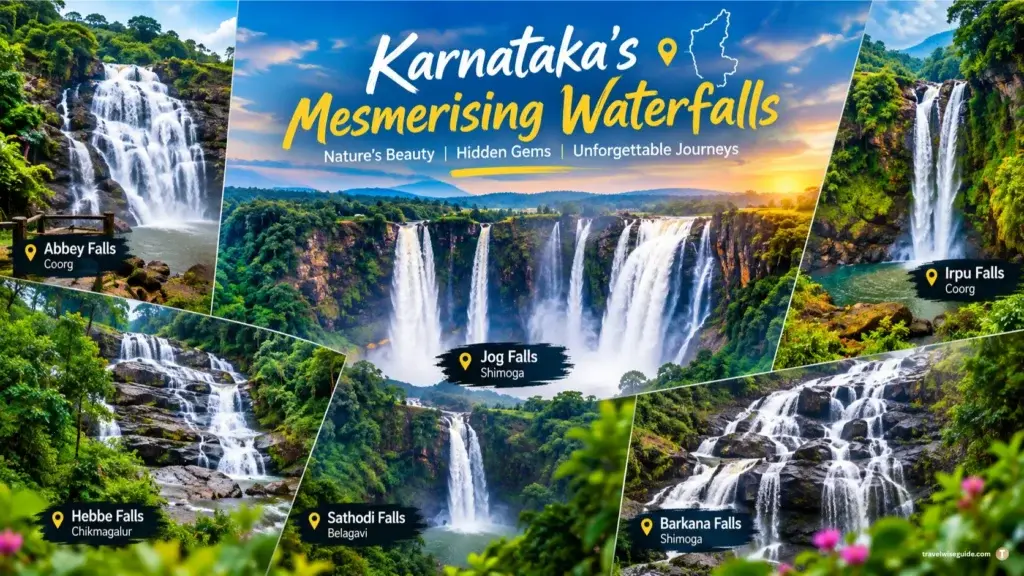
Waterfalls in Karnataka 2026: [7 Insider Secret Paths]
Waterfalls in Karnataka: A Complete Travel Guide to Western Ghats & Hidden Trails Last Updated…
Sources and References
- UNESCO World Heritage Centre – whc.unesco.org
- Ministry of Tourism, Government of India – incredibleindia.org
- Assam Tourism – assamtourism.gov.in
- Karnataka Tourism – karnatakatourism.org
- Indian Express: Hampi’s conservation challenges – indianexpress.com
.