The Ultimate Western Ghats Road Trip: A Journey Through India’s Green Heart
Last Updated on
22AUG 2026
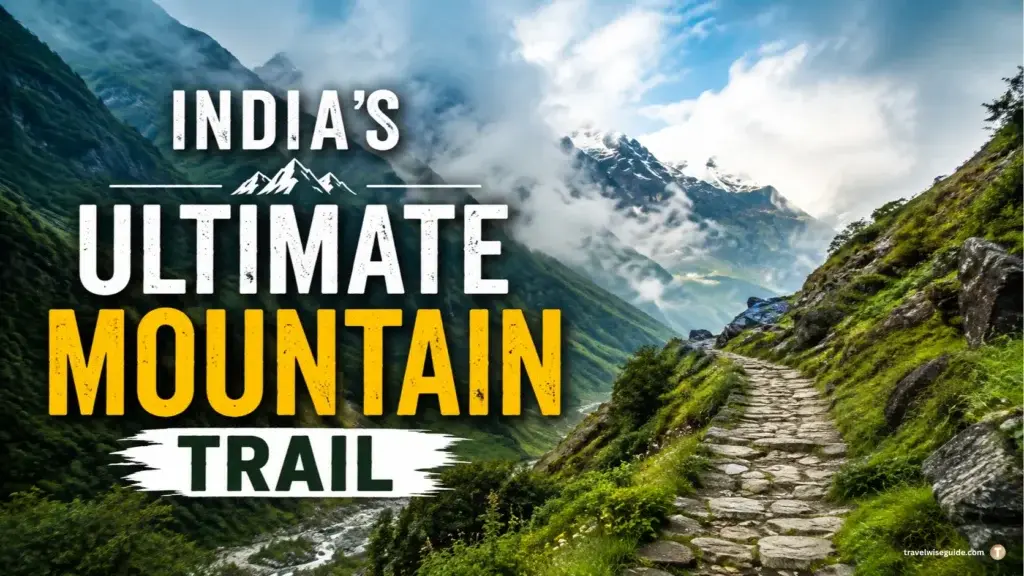
If you are planning a trip to the mountains in India, you might first think of the snowy north. However, hiding in the south and west is a deeply magical place. The Western Ghats, also known as the Sahyadri mountains, is a massive chain of green hills older than the Himalayas. Stretching across six states, this UNESCO World Heritage site is a paradise of thick rainforests, historic forts, and rich local food.
This comprehensive Western Ghats travel guide will help you plan the perfect journey. We have mapped out the best routes, the local flavours, and the hidden stories of the mountains.
Quick Overview: Your Western Ghats Travel Guide
To answer simply, the Western Ghats is a mountain range running parallel to the western coast of India. It starts from Gujarat and ends in Tamil Nadu. As you will discover throughout this Western Ghats travel guide, the region is famous for its unique wildlife, spice gardens, and heavy monsoon rains.
| Feature | Details |
| Total Length | 1,600 kilometres across 6 states |
| Best Time to Visit | September to March (Post-monsoon is greenest) |
| Top Activities | Wildlife tracking, walking in tea estates, fort trekking |
| Famous Local Produce | Arabica coffee, black pepper, green cardamom |
Author’s Note on Local Food: When travelling here, do not just look at the hills; taste them. Every region has its own special crops. From the world-famous Malabar black pepper in Kerala to the rich coffee beans of Coorg, the food here is shaped by the mountain weather.
1. Maharashtra & Goa: Historic Forts and Rain Trails
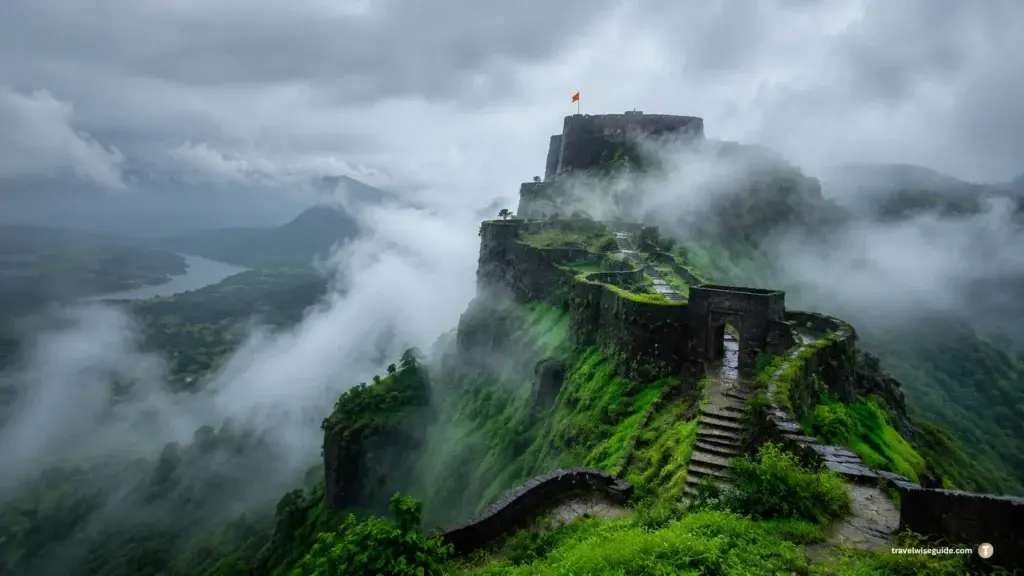
The northern part of the Ghats is wild and rocky. In Maharashtra, the mountains are called the Sahyadris. This area is deeply tied to the history of the Maratha Empire.
2. Karnataka: The Great Coffee and Rainforest Route
Moving south, the landscape softens into rolling green hills. Karnataka is the perfect place for people who love nature and sustainable farming, making it a crucial stop in our Western Ghats travel guide.For a deeper look at the state’s mountain regions, forests, waterfalls, coffee landscapes and wildlife, see our Karnataka Western Ghats Guide.
- The Coffee Estates: Towns like Chikmagalur and Coorg are the heart of India’s coffee. You can stay in small farmhouses and learn how weather shapes the crop cycle. To plan the perfect tasting experience and find the best estate homestays, explore our guide to the [7 Best Coffee Plantations in the Western Ghats].
- Deep Rainforests: Places like Agumbe get so much rain that they are called the ‘Cherrapunji of the South’. It is a top spot for spotting rare frogs and snakes.
3. Kerala & Tamil Nadu: Spices, Tea, and High Clouds
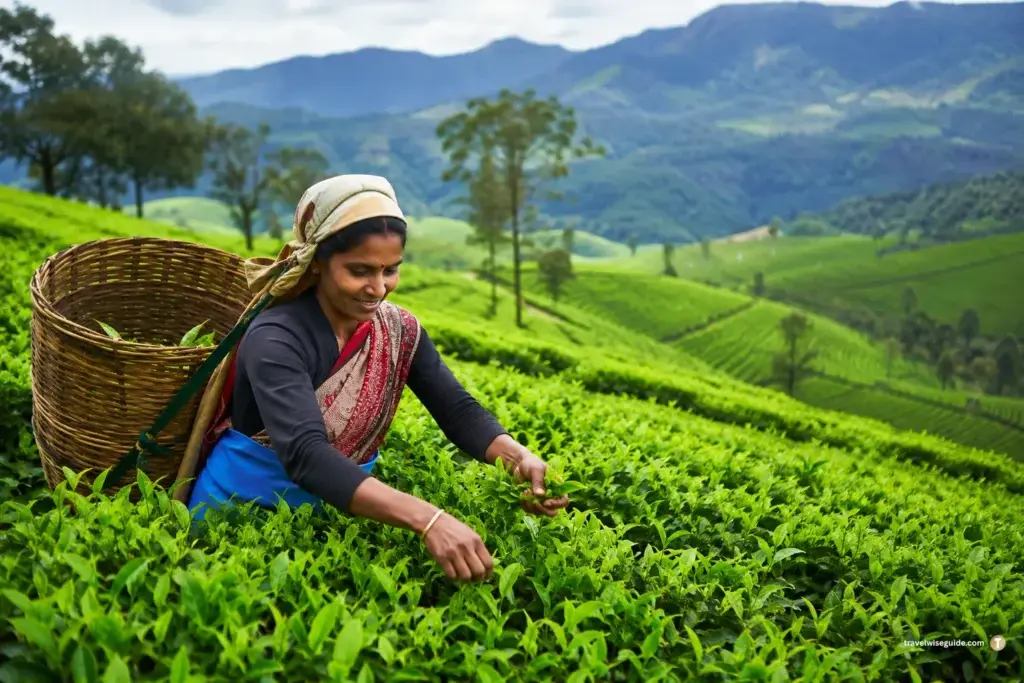
The southern tip of the Western Ghats is where the air gets cooler and the hills get higher. Every complete Western Ghats travel guide highlights this region for its unmatched beauty.
- The Spice Mountains of Kerala: Places like Wayanad and Thekkady are covered in dense forests that smell of cinnamon and cardamom. These are some of the oldest spice routes in the world.
- The Nilgiri Hills: In Tamil Nadu, the Nilgiri hills (or Blue Mountains) are famous for the sweet Shola forests. You can also ride the charming toy train through the clouds in Ooty.
- From High Clouds to Calm Waters: After spending days exploring the cool spice trails of the Ghats, the perfect way to complete your trip is by heading down to the Kerala backwaters. A houseboat journey offers a completely different view of local life, complete with authentic coastal meals cooked right on the boat.
- (Plan your complete backwater experience with our detailed guide on [Kerala Houseboat Itineraries, Authentic Food, and Pricing] here.)
Conclusion: Your Western Ghats Journey Awaits
The Western Ghats are much more than a chain of green mountains. They are a place where rainforests, waterfalls, coffee estates, spice gardens, historic forts and local life come together to create a memorable journey.
Whether you choose the fort trails of Maharashtra, the coffee hills of Karnataka, or the tea and spice-covered mountains of Kerala and Tamil Nadu, every part of the Ghats offers something different.
For a first trip, do not try to see everything at once. Choose a region, take your time and enjoy the journey between destinations. A scenic road, a quiet forest, a local meal or a misty hill can become one of the best memories of your trip.
So, plan your route according to the season, check local travel conditions and leave some space for unexpected discoveries. The Western Ghats are not just a destination to visit—they are a journey to experience slowly.
FAQs About Ultimate Western Ghats
What is the best time to visit the Western Ghats?
The best time to visit the Western Ghats is generally September to March, when the weather is pleasant and the hills remain green after the monsoon. If you want to see waterfalls and lush landscapes at their best, June to August can be beautiful, but heavy rain may affect road trips and trekking.
How many days are enough for a Western Ghats road trip?
7 to 10-day Western Ghats road trip is ideal for first-time travellers. It gives you enough time to explore hill stations, coffee estates, forests, waterfalls and historic forts without rushing. For a shorter trip, choose one region such as Maharashtra, Karnataka or Kerala rather than trying to cover the entire range.
Which are the best places to visit in the Western Ghats?
Some of the best places to visit in the Western Ghats include Munnar, Wayanad, Thekkady, Coorg, Chikmagalur, Agumbe, Ooty, Raigad and Pratapgad. You can also explore the Western Ghats around Goa. Choose your destinations based on whether you prefer wildlife, trekking, waterfalls, plantations or historical sites.
Can you drive through the Western Ghats?
Yes, the Western Ghats are excellent for a road trip, with scenic mountain roads connecting several destinations across western and southern India. However, driving conditions can change quickly during the monsoon. Heavy rain, slippery roads, poor visibility and landslides can occur, so always check local weather and road conditions before setting out.
Is the Western Ghats safe to visit during the monsoon?
Yes, you can visit the Western Ghats during the monsoon, but extra caution is necessary. Heavy rainfall, landslides, slippery roads and temporary closures can affect travel in some areas. Avoid dangerous waterfall edges and difficult trekking routes during severe weather, and always follow local safety instructions.
What is the Western Ghats famous for?
The Western Ghats are famous for their lush forests, exceptional biodiversity, waterfalls, coffee plantations, spice gardens, hill stations and historic forts. The mountain range is also recognised as a UNESCO World Heritage property because of its outstanding biological diversity and unique ecosystems.
Which states does the Western Ghats pass through?
The Western Ghats pass through six Indian states: Gujarat, Maharashtra, Goa, Karnataka, Kerala and Tamil Nadu. The mountain range runs along India’s western side and continues towards the southern part of the country, creating a diverse landscape of forests, hills, plantations and valleys.
What are the best things to do in the Western Ghats?
The best things to do in the Western Ghats include trekking, wildlife watching, visiting waterfalls, exploring historic forts, walking through coffee and tea plantations, visiting spice gardens and enjoying scenic mountain drives. The activities vary by region, so you can choose destinations that match your interests.
Which is better for a Western Ghats trip, Karnataka or Kerala?
Both are excellent choices, but they offer different experiences. Karnataka is especially popular for coffee estates, rainforests and hill stations such as Coorg and Chikmagalur. Kerala is ideal for spice plantations, wildlife, Munnar and Wayanad, with the option of combining the mountains with a Kerala backwater experience.
Is the Western Ghats good for a family road trip?
Yes, many destinations in the Western Ghats are suitable for a family road trip. Choose places with good road access, comfortable accommodation and easy sightseeing. Families travelling during the monsoon should check weather conditions carefully and avoid dangerous waterfalls, slippery trails and strenuous trekking routes.
Why are the Western Ghats important?
The Western Ghats are important because they support rich biodiversity, forests and important water resources across peninsular India. The mountains also influence regional rainfall and provide habitats for many plants and animals, including species that are found nowhere else in the world.
Is the Western Ghats older than the Himalayas?
Yes, the Western Ghats are much older than the Himalayas. They have a geological history stretching back hundreds of millions of years. Their ancient landscape, varied elevation and climate have contributed to the development of the region’s distinctive ecosystems and exceptionally rich biodiversity.