Karnataka Culture: Coffee, Food, Heritage and Western Ghats Life
Last Updated on
5 Oct.2026
Karnataka’s Western Ghats are not only about green hills, waterfalls and forests. They are also home to a rich way of life shaped by coffee estates, local food, old temples, village traditions and life close to the forest.
This is what makes the region special for travellers. A trip here can be much more than sightseeing. You can walk through a coffee estate in Chikkamagaluru, taste traditional Malnad food, stay in a plantation homestay, learn about local life in Kodagu and explore old heritage sites surrounded by green hills.
The Western Ghats also connect many of these experiences. If you are planning a wider trip, our [Karnataka Western Ghats Guide] is a useful starting point.
- What Makes Karnataka Culture Special?
- Coffee Culture in the Western Ghats
- Taste the Food of Malnad and Kodagu
- Experience Plantation Life
- Local Culture and the People of the Hills
- Heritage in Karnataka's Western Ghats
- Best Ways to Experience Karnataka Culture
- How to Combine Culture with Other Karnataka Experiences
- Best Time for a Culture and Plantation Trip
- FAQs About Karnataka Culture
- Final Thoughts
What Makes Karnataka Culture Special?
Karnataka has many different cultural regions, but the Western Ghats have their own character. The hills, heavy rain, forests and plantations have shaped the food, homes, work and traditions of local communities.
The Malnad region, for example, is known for coffee, areca, coconut and spices. Karnataka Tourism describes it as a plantation heartland where agriculture, forests, food and local culture come together.
For travellers, this means you can experience nature and culture in the same journey.
| Experience | Where to explore |
|---|---|
| Coffee estates | Chikkamagaluru, Kodagu, Sakleshpur |
| Plantation life | Malnad and Kodagu |
| Local food | Malnad, Kodagu and Chikkamagaluru |
| Local culture | Kodagu and Malnad |
| Heritage | Temples, forts and old settlements |
| Homestays | Coffee and plantation regions |
Travel Tip: Do not plan your Western Ghats trip only around famous viewpoints. A plantation walk, local meal or heritage visit can give you a much better sense of the region.
Coffee Culture in the Western Ghats
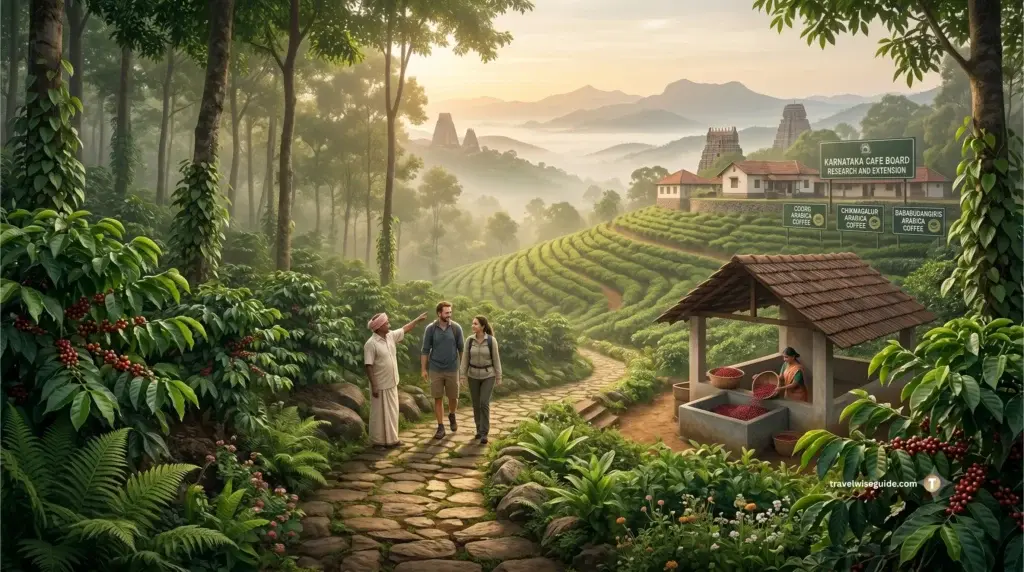
Coffee is one of the strongest links between Karnataka’s Western Ghats and its travel culture.
Chikkamagaluru and Kodagu are especially well known for their coffee estates. The Coffee Board of India has research and extension offices in both regions, showing the importance of coffee cultivation here.
Chikkamagaluru has a particularly important place in India’s coffee story. Karnataka Tourism notes the long association of the region with coffee cultivation and describes its estates, plantation walks and coffee experiences as major attractions.
Karnataka also has registered GI coffee products, including Coorg Arabica Coffee, Chikmagalur Arabica Coffee and Bababudangiris Arabica Coffee.
For visitors, a coffee estate is therefore more than a photo stop. Depending on the property and season, you may be able to walk among coffee plants, learn about processing, see other crops growing under shade and enjoy freshly prepared coffee.
For a more detailed look at estate experiences, see our [7 Best Coffee Plantations in Western Ghats] guide.
When Can You See Coffee in the Estates?
The appearance of a coffee estate changes through the year. The monsoon brings fresh greenery, while the harvest season gives visitors a different view of plantation life.
Do not expect every estate to offer the same experience. Some focus on stays, some on guided walks and others on coffee tasting. Always check what is included before visiting.
Taste the Food of Malnad and Kodagu
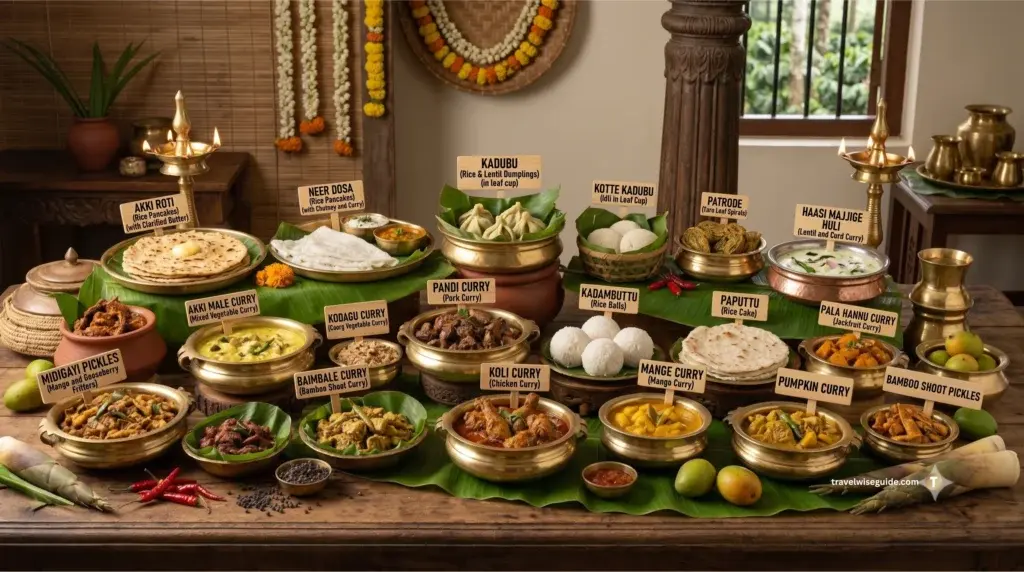
Food is one of the easiest ways to understand a place.
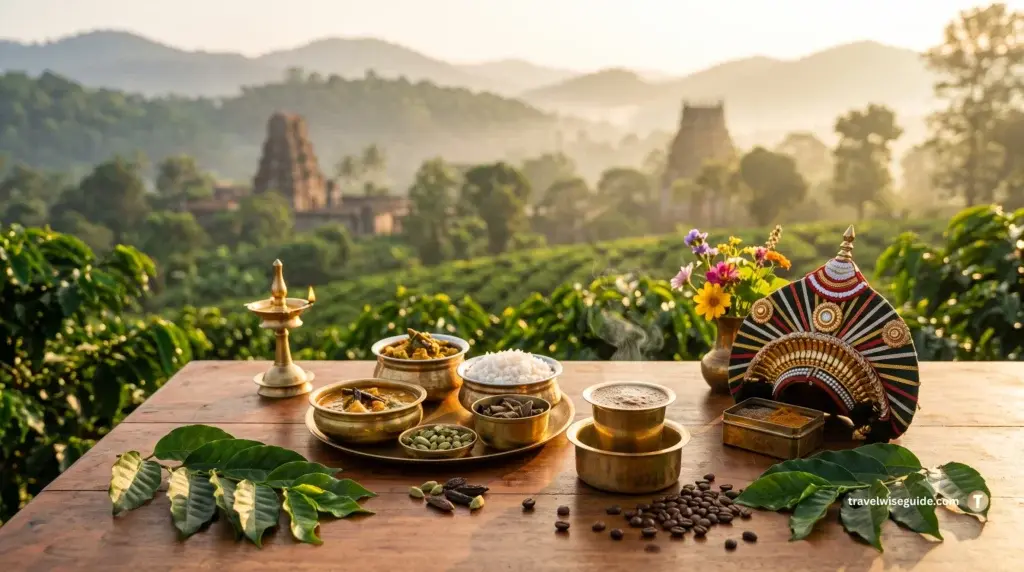
The Western Ghats have a food culture shaped by rain, forests, farms and plantation crops. Rice, coconut, spices, vegetables and locally grown produce are important parts of many traditional meals.
Malnad food includes dishes such as akki rotti and pathrode, which Karnataka Tourism also highlights as part of the region’s plantation-linked food culture.
Kodagu has its own strong food traditions. Travellers staying in local homestays may get a chance to try dishes that are not usually found on a standard hotel menu.
What Should Travellers Try?
Instead of looking only for restaurants, consider staying at a good local homestay or plantation property where regional food is part of the experience.
You can look for:
- Traditional rice-based dishes
- Akki rotti
- Pathrode
- Local vegetable preparations
- Kodagu-style meat dishes
- Fresh coffee
- Plantation-grown spices and produce
Food experiences can also vary from one family or region to another. That is part of their charm.
Experience Plantation Life
A plantation is not simply a place where coffee grows.
In parts of the Western Ghats, coffee is grown alongside crops such as pepper, cardamom, areca and coconut. Karnataka Tourism describes these mixed plantations as part of the region’s ecological and cultural fabric.
This makes a plantation stay very different from a normal hotel stay.
You may wake up to mist over the trees, walk along estate paths, see birds, learn how coffee is grown and eat food prepared with local produce.
Chikkamagaluru and Kodagu are particularly suitable for this kind of experience. Sakleshpur also has a strong plantation setting and is another useful stop for travellers exploring the Western Ghats.
If you enjoy walking and nature, a plantation stay can also be combined with [Trekking in Karnataka], especially around the coffee-growing hills of Chikkamagaluru, Kodagu and Sakleshpur.
Local Culture and the People of the Hills
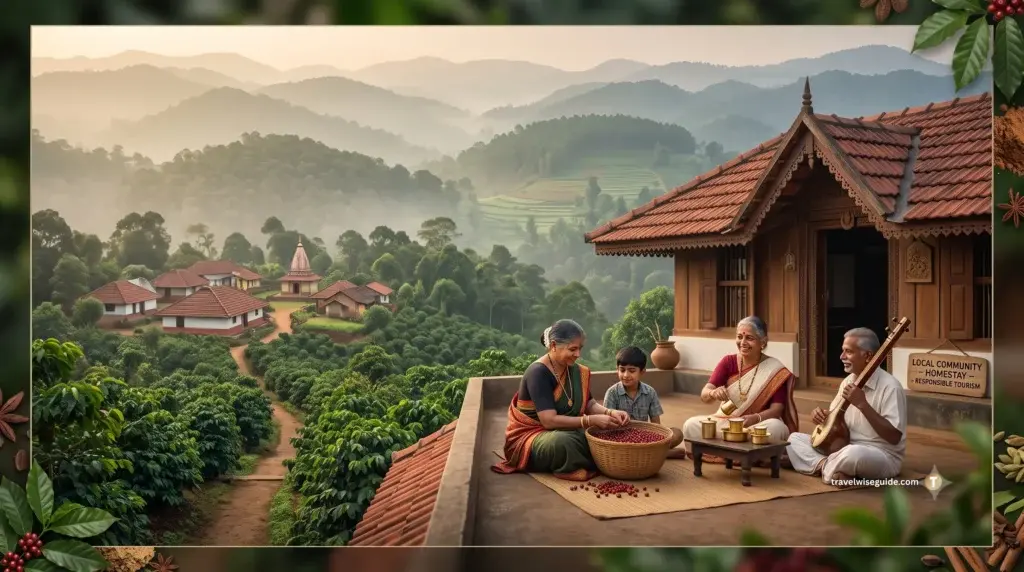
Culture is not limited to monuments.
It is also found in the way people live, cook, farm and celebrate. In Kodagu, local traditions are an important part of the region’s identity. In Malnad, plantation life and village traditions are closely connected with the landscape.
The best way to experience this respectfully is through locally run homestays, responsible plantation visits and small local businesses.
Travellers should avoid treating local communities as tourist attractions. Ask before photographing people, follow local customs and respect religious places.
This simple approach makes cultural travel more meaningful.
Heritage in Karnataka’s Western Ghats
The Western Ghats are also home to old temples, forts and historic settlements.
Karnataka Tourism lists heritage places across the state, including historic sites in and around the Western Ghats. Keladi, for example, was the first capital of the Keladi Nayakas and lies in a green Western Ghats setting. Nagara is another historic site known for its fort and location among the hills.
Chikkamagaluru also has several important temple sites. Karnataka Tourism highlights places such as Belavadi, Amritapura and Sringeri among the heritage attractions connected with the wider region.
These places are worth adding when you want your trip to include more than nature.
Why Add Heritage to a Western Ghats Trip?
A waterfall shows you the natural side of the region.
A coffee estate shows you its working landscape.
A heritage site shows you its history.
Putting all three together gives you a much fuller picture of Karnataka.
Best Ways to Experience Karnataka Culture
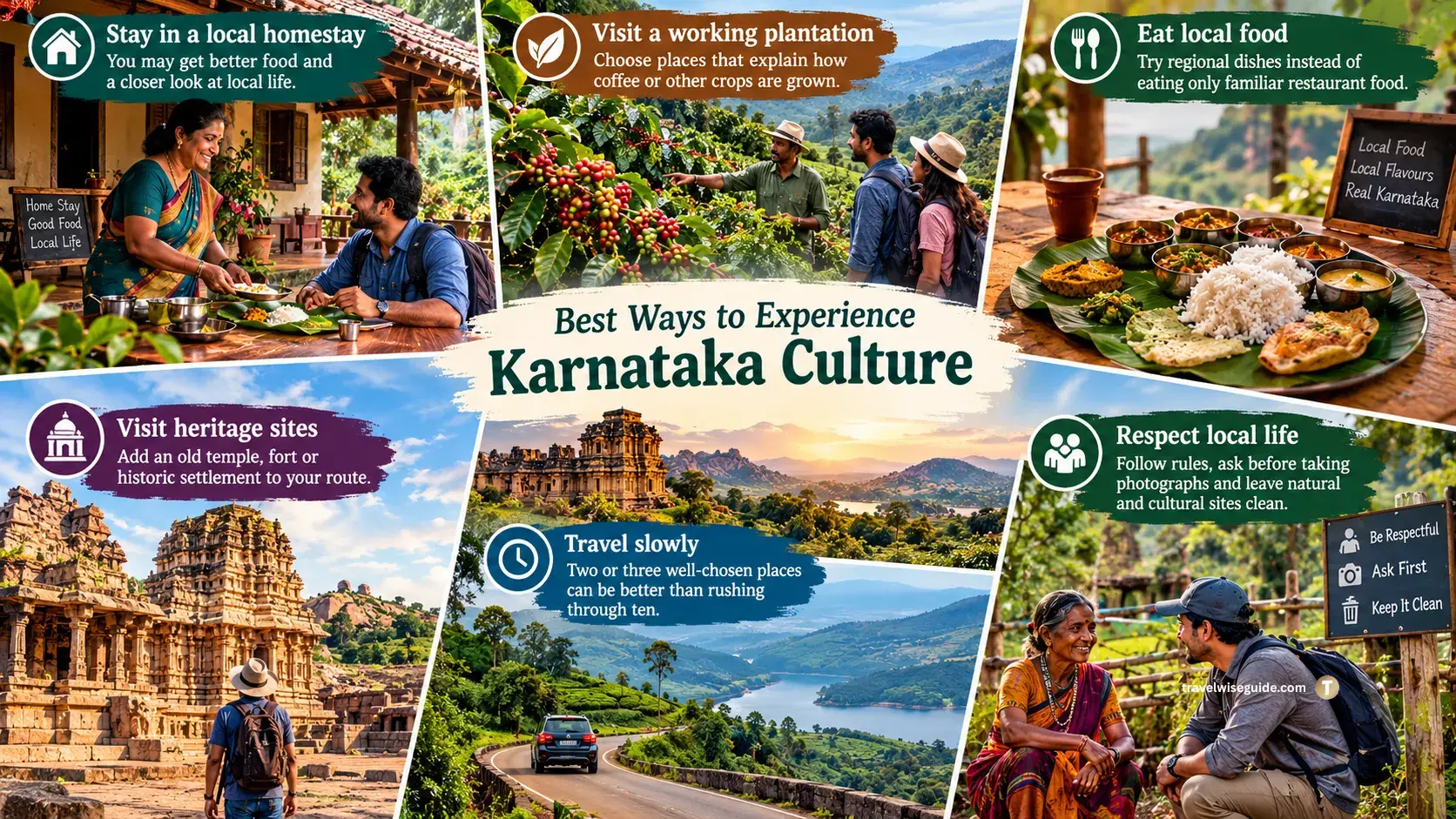
You do not need a long cultural tour. Small choices can make a normal holiday more meaningful.
Stay in a local homestay: You may get better food and a closer look at local life.
Visit a working plantation: Choose places that explain how coffee or other crops are grown.
Eat local food: Try regional dishes instead of eating only familiar restaurant food.
Visit heritage sites: Add an old temple, fort or historic settlement to your route.
Travel slowly: Two or three well-chosen places can be better than rushing through ten.
Respect local life: Follow rules, ask before taking photographs and leave natural and cultural sites clean.
How to Combine Culture with Other Karnataka Experiences
Culture does not have to be a separate part of your holiday. You can combine it naturally with other Western Ghats experiences.If you are planning a wider journey across the region, our [Ultimate Western Ghats Road Trip Guide] explains how the different landscapes and travel experiences fit together.
For example:
Chikkamagaluru: coffee plantation + hill views + waterfall + trekking You can also combine plantation and cultural experiences with the [Hill Stations in Karnataka] covered in our wider guide.
Kodagu: coffee estate + local food + culture + wildlife
Sakleshpur: plantation stay + trekking + scenic countryside
Malnad: local food + waterfalls + forests + heritage Many plantation and heritage areas are also close to some of Karnataka’s famous waterfalls. Our [Waterfalls in Karnataka] guide covers the major waterfall experiences across the state.
This is where Karnataka’s different travel clusters work together.
Best Time for a Culture and Plantation Trip
There is no single perfect month for every experience.
September to March is generally comfortable for combining sightseeing, plantation visits, heritage stops and outdoor activities.
The monsoon months bring very green landscapes, flowing waterfalls and misty plantations. However, heavy rain can make some roads and trekking routes difficult.
If you mainly want coffee experiences, check with the estate before travelling because plantation activities change with the season.
FAQs About Karnataka Culture
What is Karnataka Culture best known for?
Karnataka Culture is best known for its traditional food, temples, heritage, local communities, coffee plantations, festivals and rich regional traditions. In the Western Ghats, plantation life and Malnad food add a distinct local character.
Which places are best to experience Karnataka culture?
Chikkamagaluru, Kodagu, Sakleshpur and the wider Malnad region are among the best places to experience Karnataka culture through coffee estates, local food, homestays, heritage sites and traditional ways of life.
What food is famous in the Malnad region of Karnataka?
Malnad is known for dishes such as akki rotti and pathrode, along with rice-based meals, vegetables, coconut, spices and other locally grown ingredients.
Which places are famous for coffee plantations in Karnataka?
Chikkamagaluru, Kodagu and Sakleshpur are well known for coffee plantations in Karnataka. Visitors can find estate stays, plantation walks and coffee experiences in these regions.
Can tourists stay in coffee plantations in Karnataka?
Yes, some coffee estates in Karnataka offer plantation stays or homestays. Depending on the property, visitors may enjoy estate walks, local food, coffee experiences and views of the surrounding hills.
What are the best heritage places to visit in Karnataka’s Western Ghats?
Important heritage places include Keladi, Nagara, Sringeri, Belavadi and Amruthapura, along with historic temples, forts and old settlements in the wider Western Ghats region.
Is monsoon a good time to experience Karnataka’s Western Ghats culture?
Yes. The monsoon makes Karnataka’s Western Ghats especially green and gives plantation areas, forests and waterfalls a fresh look. However, heavy rain can affect roads, trekking routes and some outdoor activities.
How can tourists experience Karnataka culture responsibly?
Travellers can experience Karnataka culture responsibly by choosing local homestays and businesses, respecting religious customs, asking before photographing people, following heritage-site rules and avoiding litter in villages, plantations and natural areas.
Final Thoughts
Karnataka’s Western Ghats are best understood as a living landscape, not simply a collection of tourist places.
Coffee grows among the hills. Local food reflects the crops and climate. Homestays bring travellers closer to everyday life. Temples and forts carry stories from earlier times. Forests, farms and villages continue to shape the region.
That is why a good Western Ghats journey should leave room for culture as well as nature.
Take a coffee walk. Eat a local meal. Visit an old temple. Stay with a local host. Then continue towards the hills, forests or waterfalls.
You will not just see Karnataka’s Western Ghats. You will understand a little more about the life that makes them special.