Loktak Lake, Manipur – The Floating World of Phumdis
Last Updated on
8/01/2026
Loktak Lake in Bishnupur district of Manipur is one of India’s most extraordinary natural wonders. Known as the largest freshwater lake in Northeast India, it is famous not just for its sheer size but for the floating masses of vegetation called phumdis. This unique ecosystem sustains both wildlife and human life, making it a fascinating blend of geography, culture, and mythology.Understanding Loktak becomes even richer when seen as part of India’s wider travel landscape, where culture, geography and biodiversity connect seamlessly.
Before diving deeper into Loktak’s floating world, travellers who are planning a longer journey across the country can explore my India Travel Guide for First-Time Visitors, which covers visas, safety, transport and a 20-day sample itinerary.
- Mythological and Ancient Beliefs About Loktak Lake
- Geographic Importance Of Loktak Lake
- How Does The Phumdis Form
- The Science of Floating Phumdis
- Houses on the Lake – The Phumshang
- Biodiversity of Loktak Lake
- Social and Economic Importance
- Cultural Practices Linked to the Lake
- Why Loktak is Irreplaceable
- Things To Do at Loktak Lake
- Local Food at Loktak Lake – A Feast from the Waters
- How to Reach
- Best Time to Visit
- Conclusion
- Official References
- Related Posts
- FAQs About Loktak Lake
Mythological and Ancient Beliefs About Loktak Lake
Loktak Lake is deeply tied to Manipuri folklore. According to local legends, the lake is considered the abode of goddess Loktak Lairembi, who protects the people and blesses them with fish and fertility. Another story connects the lake to the Khamba-Thoibi epic of the Meitei community, where love, war, and devotion intertwine around this water body. Oral traditions suggest that the lake was once part of a divine sea gifted to the people by their deities to ensure survival.
Geographic Importance Of Loktak Lake
- Location: Situated in Bishnupur District, about 48 km from Imphal.
- Size: Around 287 sq km, making it a true inland sea.
- Hydrology: It receives water from several small rivers and streams such as the Nambul River, and drains into the Manipur River.
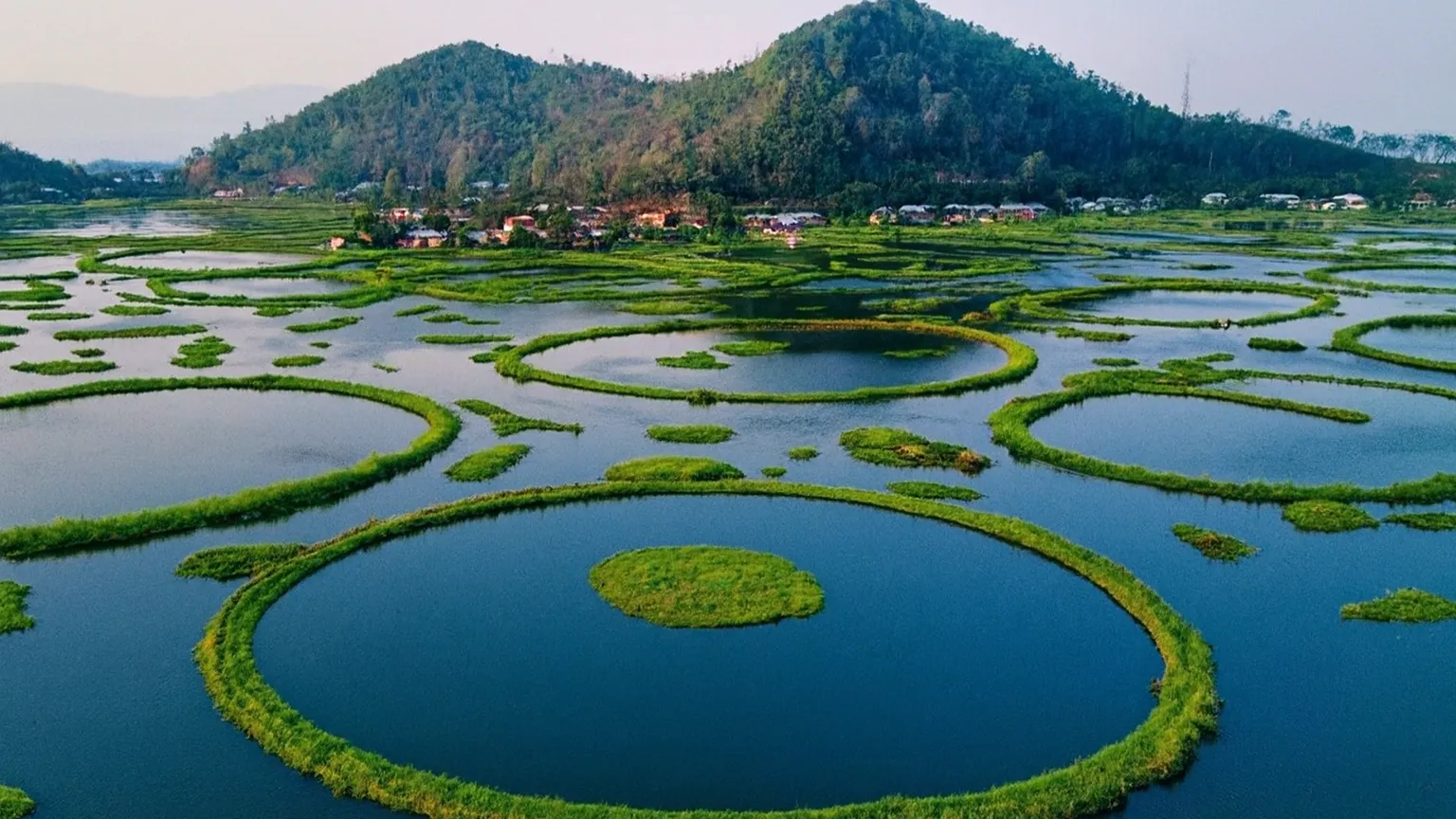
The lake is globally significant because of its floating islands, the phumdis. These are not ordinary weeds but a mixture of soil, vegetation, and organic matter in various stages of decomposition, giving them buoyancy.
How Does The Phumdis Form
In Loktak Lake, phumdis are made naturally, but local people shape and manage them over time.
- Plant waste, grass, and soil collect together on the water surface.
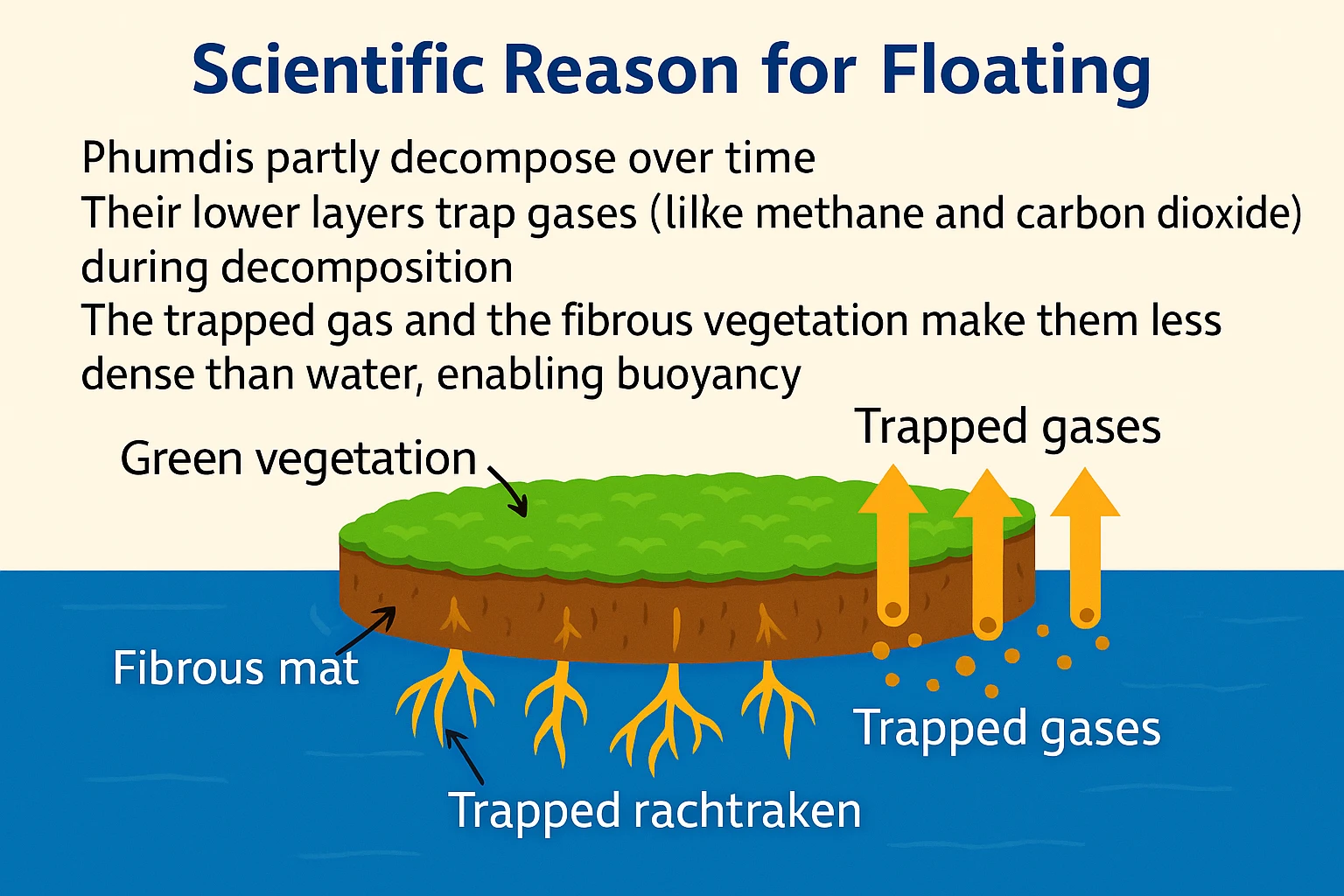
- This material partly decomposes, producing gases like methane and carbon dioxide.
- These trapped gases reduce density and create buoyancy, so the mass starts floating.
- Over time, the floating mat becomes thick and spongy.
- People then cut, join, and shape these mats to make stable phumdis for fishing or living.
👉 In simple words:
Nature makes phumdis, humans organise them.
The Science of Floating Phumdis
The most unique feature of Loktak Lake is its floating vegetation—phumdis.
- Formation: Phumdis form when plant material, organic debris, and soil collect together. Over time, they partly decompose, creating a spongy, porous mat that floats.
- USP: Some phumdis are strong enough to support huts, fishing platforms, and even livestock.
- Scientific Reason for Floating: Phumdis float because their lower layers trap gases (like methane and carbon dioxide) during decomposition. This trapped gas and the fibrous vegetation make them less dense than water, enabling buoyancy.
- Circular Fishing Grounds: Fishermen cut the phumdis into circular shapes to make enclosures, which act like natural fish traps.
Houses on the Lake – The Phumshang
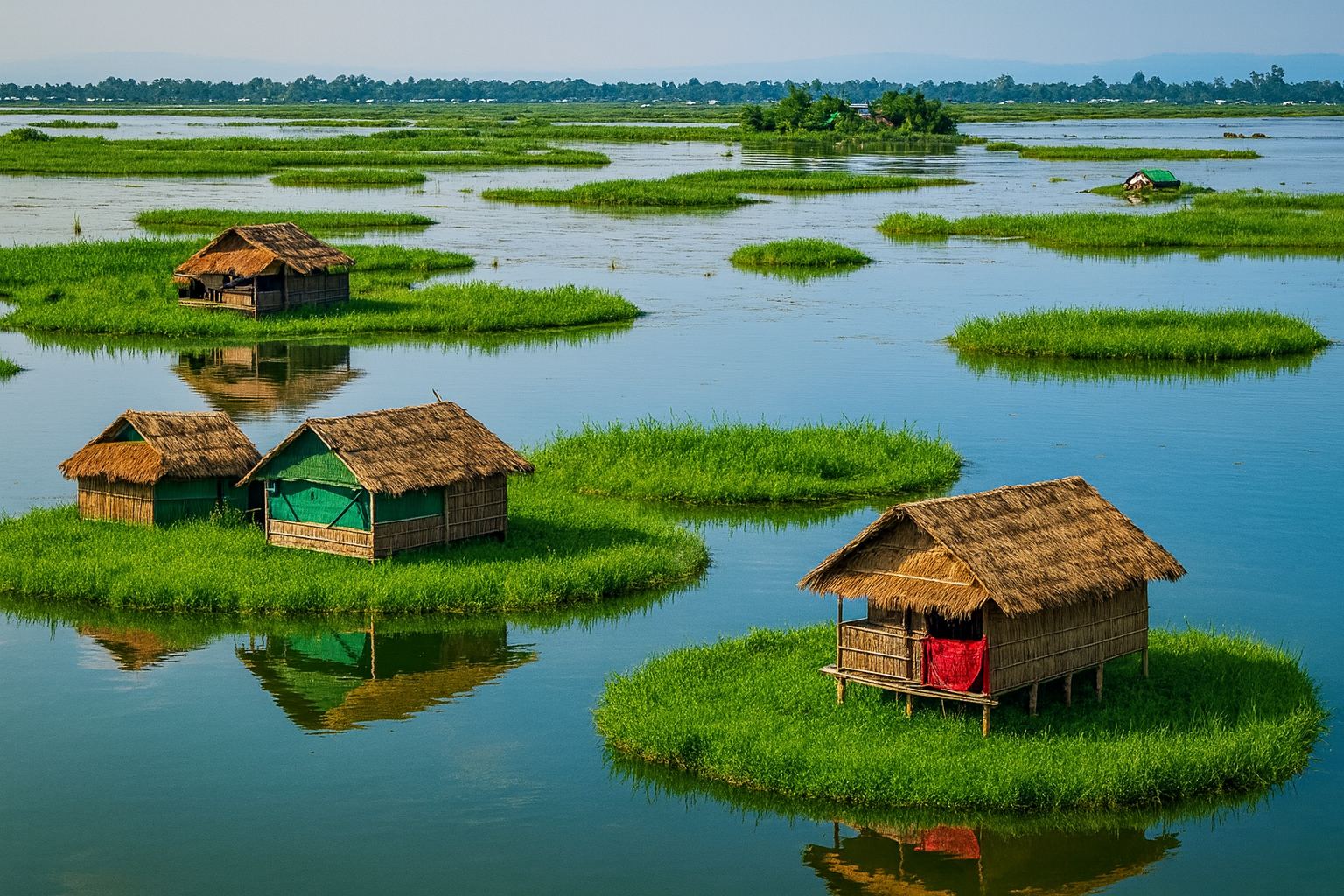
People living on Loktak build houses called Phumshang directly on phumdis.
- Construction Materials: Bamboo, wood, thatch, and reeds are commonly used since they are lightweight and flexible.
- Precautions: While building, families check the thickness of the phumdi to ensure it can hold the weight of the structure. Houses are usually small and simple to avoid sinking.
- Lifestyle: These floating huts move gently with the water currents, giving the community a unique semi-aquatic lifestyle.
Biodiversity of Loktak Lake
Loktak is not just about floating islands; it is an ecological treasure chest.
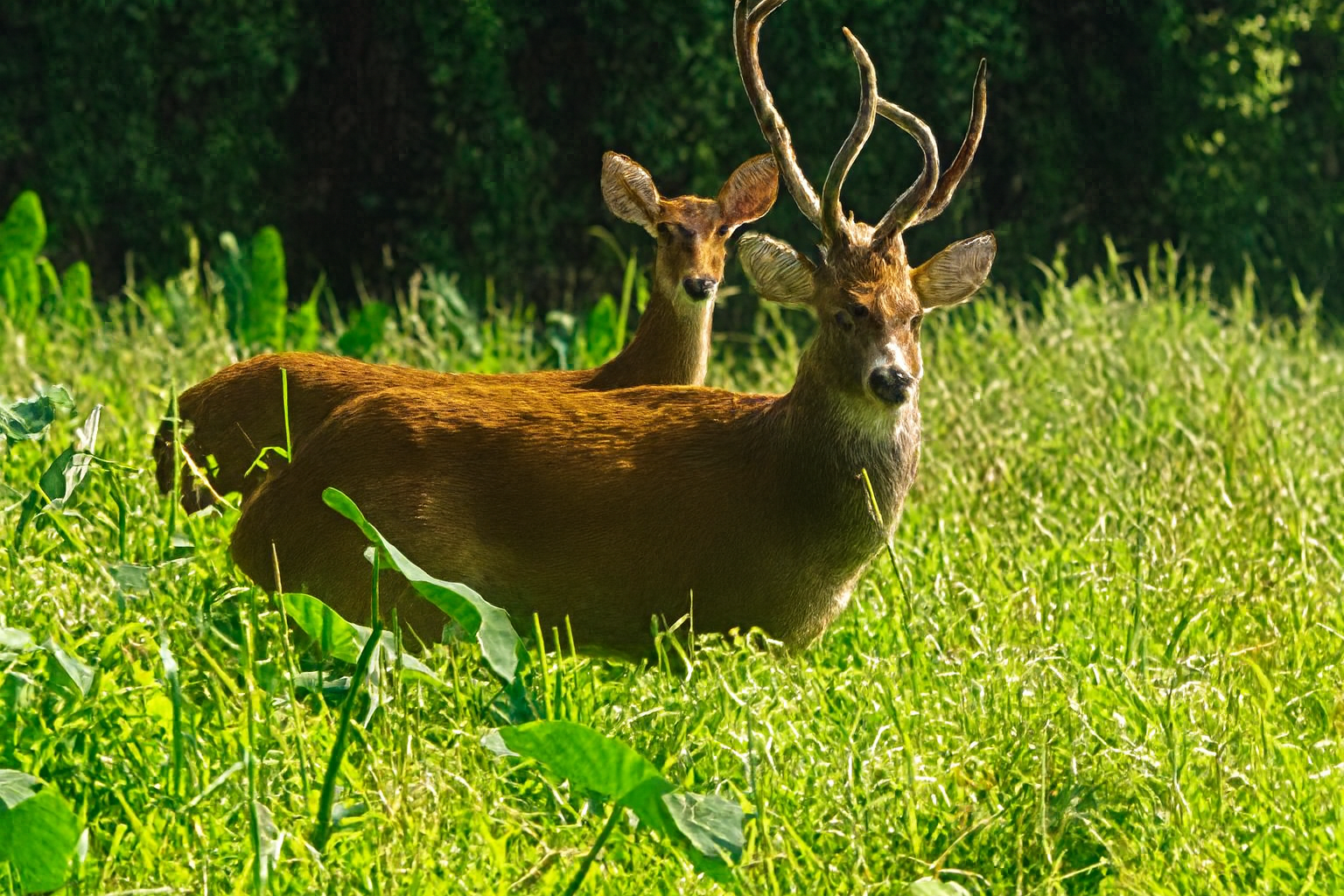
- Keibul Lamjao National Park: The only floating national park in the world lies on a phumdi here. It is the last natural home of the Sangai deer (Manipur’s state animal), also called the dancing deer.
- Fish Species: The lake has more than 100 species of fish, including Ngaton, Pengba, Sareng, Ngakra, and various catfishes.
- Birds: Migratory birds like ruddy shelducks, falcated ducks, and teals visit the lake seasonally.
- Other species: Aquatic plants, snails, and insects also thrive, supporting the food chain.
Social and Economic Importance
Loktak is often called the lifeline of Manipur.
- Fisheries: Thousands of families depend on the lake for fishing. After catching fish, locals usually sell them in Imphal markets, especially in Ima Keithel (the famous women-run market).
- Agriculture: Some phumdis are converted into floating fields for growing vegetables like mustard and pumpkin.
- Tourism: Loktak attracts tourists from across the world, boosting the local economy. The scenic phumshangs and boat rides are unforgettable experiences.
- Energy: The Loktak Hydroelectric Project draws water from the lake to generate electricity for Manipur and neighbouring states, though it has also created environmental concerns.
Cultural Practices Linked to the Lake
The people of Manipur celebrate Loktak not just as a resource but as a sacred landscape. Festivals and rituals are performed to honour the goddess of the lake. Fishermen also follow traditional taboos and rules, such as avoiding fishing during certain breeding seasons, showing a balance between livelihood and respect for nature.
Why Loktak is Irreplaceable
Loktak Lake is not just a wetland; it is a living, breathing culture. From myths of divine blessings to the scientific wonder of floating phumdis, from the survival of the endangered Sangai deer to the survival of thousands of fishing families—the lake holds together an entire ecosystem of life, faith, and economy.
Safeguarding Loktak is essential, not only for Manipur but also for the world, as there is truly no other lake like it.
Things To Do at Loktak Lake
1. Boat Ride on Phumdis
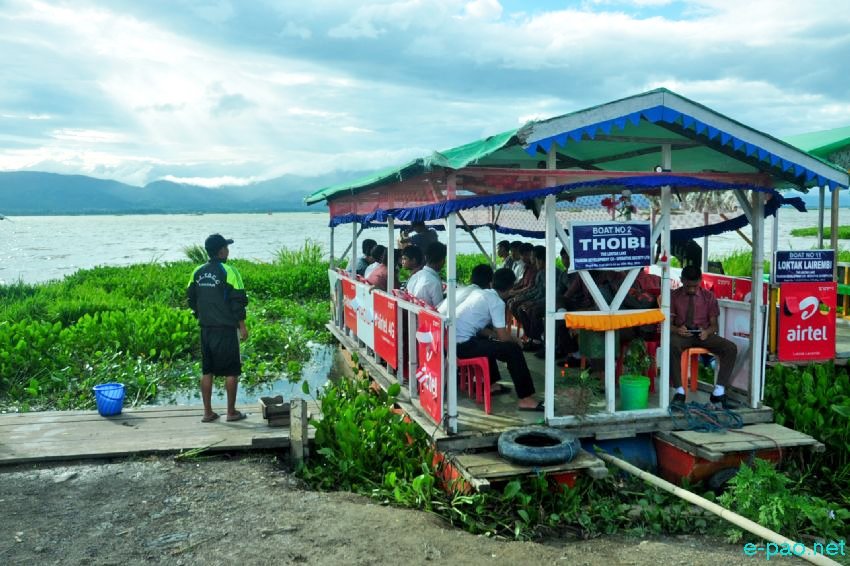
Imagine gliding across the calm blue waters, your boat weaving between floating green islands. These are not ordinary islands but phumdis—patches of vegetation that drift like living carpets. From your seat, you’ll see bamboo huts perched on these mats, fishermen casting their nets in circular phumdi traps, and, if you’re lucky, a glimpse of the rare Sangai deer grazing on the floating meadows of Keibul Lamjao. Every ride feels like entering a secret world where land and water dance together.
2. Visit Keibul Lamjao National Park
Loktak Lake is home to the only floating national park in the world, a place so unique that it feels like nature’s own experiment. Spread over floating phumdis, Keibul Lamjao shelters the endangered Sangai deer, also called the “dancing deer” for the way it tiptoes gracefully over the soft floating ground. Walking through this park, with water glistening all around and wildlife hidden in reeds, is unlike visiting any other national park on Earth.
3.Stay in a Floating Homestay – The Heartbeat of Loktak
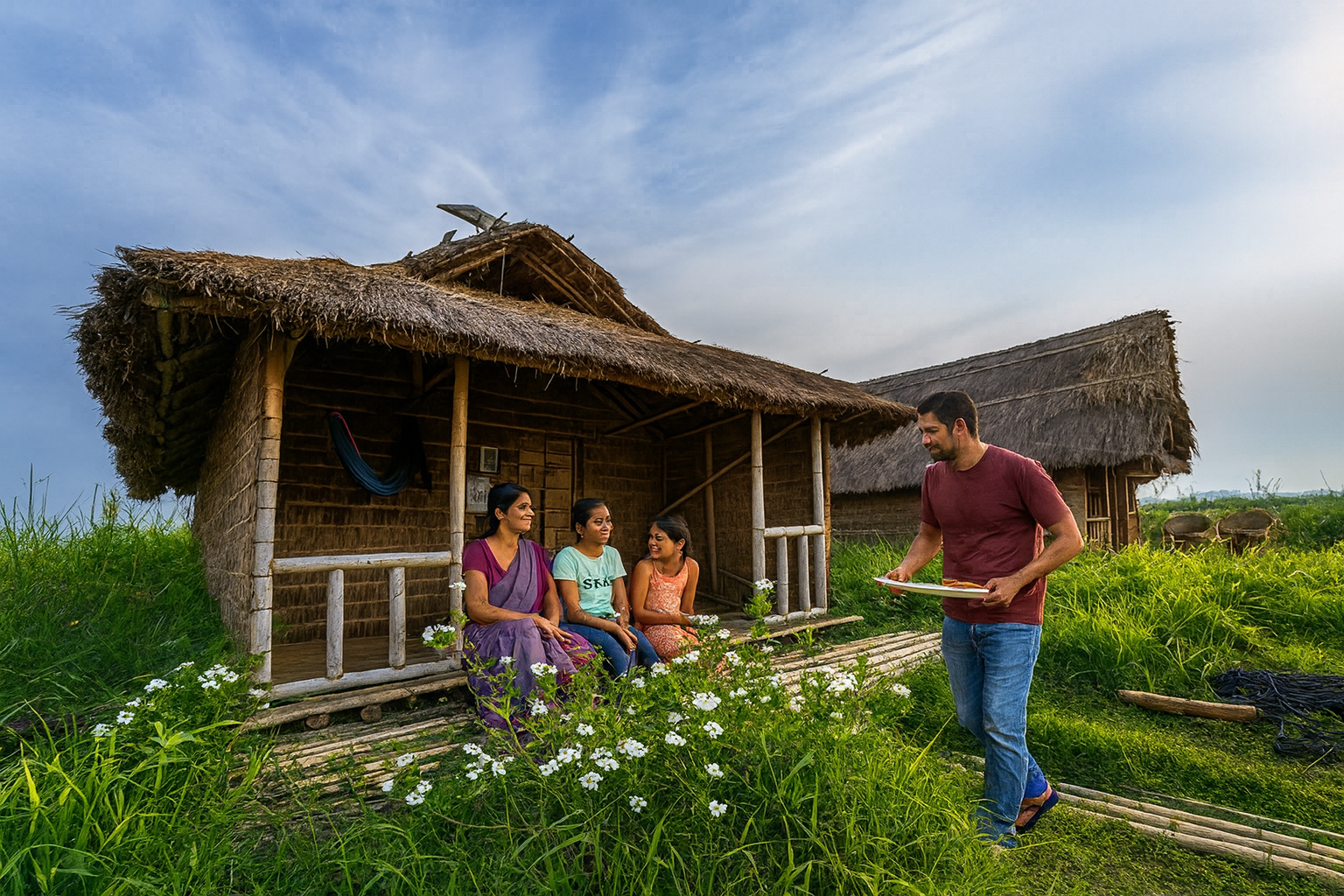
To merely visit Loktak Lake is one thing, but to live upon it is another. The true soul of Loktak reveals itself only when you spend a night in a floating homestay, called a Phumshang. These bamboo huts stand on phumdis—floating islands that drift with the water—offering a once-in-a-lifetime experience.
Why Homestays are Unmissable
- The Lake as Your Home: Imagine waking up to gentle waves beneath your floor and stepping out to see fishermen gliding past your balcony. The horizon is water in every direction—no roads, no noise, just rippling blue.
- Unforgettable Nights: Nights on Loktak are magical. The stars reflect on the water, the wind whispers through reeds, and the silence is broken only by the splash of a fish or the call of a night bird. Sleeping here feels like drifting in nature’s cradle.
- Authentic Rustic Food: Homestay meals are not restaurant imitations—they are the real flavours of Loktak. Fish caught fresh from the lake that very morning, bamboo shoot curries, eromba with fire and tang, and rice from nearby fields. Food here is cooked on wood fires, served simply, and tastes of earth, smoke, and water. It cannot be recreated elsewhere.
- Living with Locals: Staying with families gives you stories, laughter, and traditions you won’t find in guidebooks. Hosts often share fishing techniques, folk tales of the lake, and sometimes even invite you to join in cooking or fishing.
The Essence
A hotel on land will give you comfort, but a floating homestay will give you Loktak itself. Without staying in one, you will see the lake—but you will not feel it. The phumshang is the key that unlocks Loktak’s heart.Picture yourself sitting in a bamboo hut over the water, the lake breeze brushing past as a plate of steaming rice, spicy fish curry, and tangy eromba is placed before you. The flavours are raw and real—smoky, spicy, and earthy. This isn’t food prepared for tourists; it’s the same food that sustains the fishermen, the families, and the people of Loktak every day.
Eating here isn’t just about filling your stomach—it’s about tasting Loktak itself.
4. Birdwatching
Loktak Lake is a paradise for bird lovers. Migratory flocks arrive from faraway lands, turning the lake into a chorus of calls and colours. In winter, you can see ruddy shelducks flying low over the water, falcated ducks shimmering in the light, and herons standing silently on the edges of phumdis. With binoculars in hand, you feel like part of a grand migration story that stretches across continents.
5. Photography
Every corner of Loktak is a frame waiting to be captured. Sunrise reveals mist floating over the water, boats moving like shadows, and the lake glowing in shades of pink and orange. By evening, the sun dips low, setting the horizon aflame while silhouettes of huts and birds add drama. Whether you’re a professional photographer or just clicking on your phone, Loktak will flood your camera roll with postcards of serenity.
6. Fishing Experience
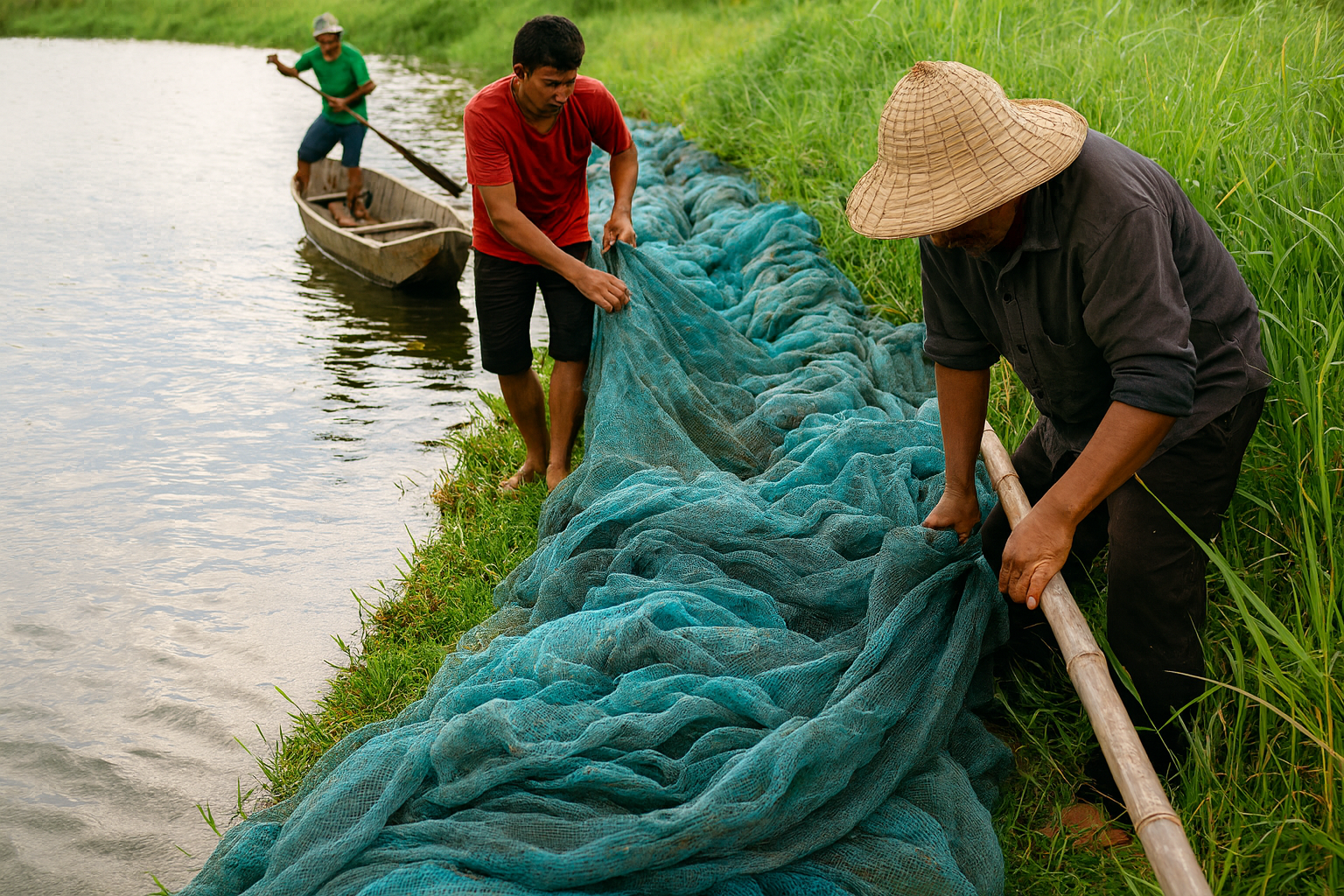
Fishing here isn’t just work—it’s tradition. Join local fishermen as they shape phumdis into perfect circles, creating natural enclosures that trap fish. You can watch, learn, or even try your hand at casting nets. The experience is more than catching fish; it’s about understanding how people have lived with this lake for generations, blending skill with patience in a world where water itself is the farmland.
7.The INA Memorial at Moirang
at Moirang, Manipur, honors soldiers of the Indian National Army (INA) led by Netaji Subhas Chandra Bose. It marks the historic site where the INA first hoisted the Indian tricolor flag on April 14, 1944. The memorial complex includes the INA War Museum, showcasing WWII relics, letters, photographs, and artifacts related to the INA and Netaji. Established in 1969 and expanded later, it symbolizes the bravery and sacrifice of INA soldiers in India’s struggle for independence. The site is a key cultural and historical landmark reflecting patriotism and freedom.
Local Food at Loktak Lake – A Feast from the Waters
Loktak is not just a lake, it’s a kitchen of nature. The water gives fish, the phumdis give herbs, and the people of Manipur transform them into dishes that are earthy, spicy, and unforgettable. Eating here is an experience in itself because every plate tells a story of the lake.
Must-Try Dishes
- Freshwater Fish Curries
Fish caught right from the lake—Ngaton, Pengba, or catfish—are cooked in clay pots with fiery red chillies, local herbs, and mustard oil. The curries are light yet deeply aromatic, often paired with steaming rice. - Eromba
This is Manipur’s signature comfort food—a bold chutney made of mashed vegetables, bamboo shoots, and fermented fish (ngari). It’s spicy, smoky, and packs a punch that lingers. Locals say you haven’t truly eaten in Manipur until you taste Eromba. - Singju (Manipuri Salad)
A refreshing, crunchy salad made with seasonal herbs, lotus stems, cabbage, and a dash of ngari. Perfect for balancing the heat of the curries. - Chamthong (Kangsoi)
A light stew of seasonal vegetables, ginger, onion, and ngari, eaten with rice. It’s healthy, mild, and soothing—ideal for travellers wanting something light after spicy meals. - Smoked Fish and Dry Fish Snacks
Fishermen often smoke or dry fish to preserve them. These are fried crisp or tossed with chillies, making for an addictive snack with tea. - Bamboo Shoot Dishes
Fermented bamboo shoot, locally called soibum, is used in stews and curries. It adds a tangy depth that food lovers find unforgettable.
Where Can Tourists Taste This Food?
- Homestays on Phumdis
Staying in a floating homestay (Phumshang) is the best way to enjoy authentic food. Families cook freshly caught fish from the lake, serve rice grown nearby, and prepare meals using wild herbs plucked straight from phumdis. It feels less like dining at a hotel and more like being welcomed at someone’s home. - Local Eateries in Moirang
In Moirang town, just a short drive from Loktak, small restaurants serve traditional Manipuri thalis. You’ll get rice, fish curry, vegetables, eromba, and chutneys all on one plate—simple, wholesome, and satisfying. - Popular Spots
- Loktak Aquamarine Homestay – Known for serving fresh fish delicacies cooked in traditional styles.
- Sendra Tourist Home (Sendra Island) – Offers sweeping lake views with Manipuri meals, perfect for travellers who want both comfort and authenticity.
- Moirang Local Market Stalls – For the adventurous eater, the food stalls here serve authentic snacks, smoked fish, and spiced curries at pocket-friendly prices.
- Loktak Aquamarine Homestay – Known for serving fresh fish delicacies cooked in traditional styles.
To know more visit our more blogs about north easthttps://travelwiseguide.com/blog/
What is ILP?
- Official travel document allowing Indian citizens to enter Manipur for a limited time.
- Issued by Manipur Government under Bengal Eastern Frontier Regulation, 1873 extension
Why take ILP?
- To protect local tribal culture, land, and resources from outside influence.
- Controls entry and stay of non-residents for security and cultural preservation.
Types of ILP in Manipur:
- Special Category: Govt. contractors, investors, traders (valid 3 years, renewable).
- Regular Permit: Frequent visitors, sponsorship by a permanent resident (valid 6 months).
- Temporary Permit: Tourists, short visits (valid 15 days).
- Labour Permit: Group laborers engaged by contractors/companies.
Who needs ILP?
- Any Indian citizen from outside Manipur must have an ILP to enter the state.
- Foreigners do not need ILP but must register with police on arrival.
How to apply?
- Online: Via official portal (https://manipurilponline.mn.gov.in), fill form, upload ID, pay fee, get permit by email.
- Offline: Apply at designated ILP counters at borders (Jiribam, Mao, Moreh, Jessami, etc.) or Imphal airport, submit documents, pay fees, permit issued on spot.
Do’s and Don’ts:
- DO carry ILP during your entire stay and travel in Manipur.
- DO apply before entering to avoid denial of entry.
- DO respect local customs and laws.
- DON’T use fake permits or overstay beyond permitted days.
- DON’T try to buy land or settle without permission.
- Foreigners must register with local police on arrival
A lake rich in history and biodiversity reveals its secrets best through local eyes. Guides from Moirang and Keibul Lamjao are not only knowledgeable about the flora and fauna but also share legends, folk tales, and insider tips. Whether it’s spotting the Sangai deer or finding the best phumdi boat ride, a local guide ensures you don’t just see Loktak—you understand it.
How to Reach
Travellers planning their expenses for flights, taxis and accommodation can check my India Travel Budget Guide, which breaks down real daily costs for food, transport and stays across India.
- By Air: Nearest airport is Imphal Airport (Tulihal), about 48 km away. Daily flights connect Imphal with Delhi, Kolkata, and Guwahati.
- By Rail: Manipur has no direct railway line yet. The nearest major railhead is Dimapur (Nagaland), around 215 km away. From there, buses/taxis connect to Imphal and then to Loktak.
- By Road: Good road connectivity from Imphal (1.5 hours drive). Buses, shared taxis, and private cabs are available.
Best Time to Visit
- October to March: Pleasant weather, migratory birds arrive.
- Winter (Nov–Feb): Clear skies, perfect for photography.
- Monsoon (June–Sept): Lake looks lush and full, but heavy rains may disturb travel
To know more about Lokatak lake visit Manipur tourism website
Conclusion
Loktak Lake is more than just a tourist spot—it is a living world of water and life.
Its floating phumdis, mystical legends, and the rare Sangai deer make it truly unique.
A stay in floating homestays lets travellers feel the heartbeat of the lake itself.
Every meal, every boat ride, every dawn here tells an unforgettable story.
It is a perfect blend of nature, culture, and tradition in one breathtaking landscape.
Loktak is not just to be seen, but to be felt and experienced deeply. Travellers who wish to expand their journey beyond the floating world of Loktak often look for guidance on planning the rest of their India trip.
If Loktak has inspired you to discover more of India’s landscapes and culture, you may find my Complete India Travel Guide useful — it brings together practical tips, routes, and planning advice for travellers exploring the country for the first time.
Official References
Ministry of Tourism – Incredible India
State-wise travel advisories, city guides, cultural heritage details.
🔗 https://www.incredibleindia.org
Manipur tourism
All the detailed informations about loktak lake
🔗https://manipurtourism.gov.in/
Related Posts
1️⃣Best Glass Bridge In India -Ultimate Guide( Latest Update )2025
You may find all the glass bridges of india at one place explore timings & entry fees.
👉 Read Guide → https://travelwiseguide.com/best-glass-bridges-in-india/
2️⃣Mawlynong Village Meghalaya -Cleanest Village Asia2025
Learn their practices to keep the cleanlyness maintain by themselve .
👉 Read Guide → https://travelwiseguide.com/mawlynnong-village-meghalaya/
3️⃣Living Root Bridges in Meghalaya – Ultimate Guide 2025
Beyond imagination civil engineering done by khasi tribe ,
👉 Read Guide → https://travelwiseguide.com/living-root-bridges-in-meghalaya/
FAQs About Loktak Lake
Why is Loktak Lake famous?
Loktak Lake is famous for its floating phumdis, rare Sangai deer, and the world’s only floating national park.
What is the best time to visit Loktak Lake?
October to March is ideal for pleasant weather, birdwatching, and photography.
Can tourists stay on Loktak Lake?
Yes, travellers can stay in floating homestays called Phumshang, offering authentic food and lake views.
Do tourists need ILP to visit Loktak Lake in Manipur?
Yes, Indian citizens outside Manipur need an ILP (Inner Line Permit). Foreigners don’t need ILP but must register with police on arrival.
Which is the nearest airport to Loktak Lake?
The nearest airport is Imphal Airport, about 48 km from the lake.
Mussoorie local culture: 3 Fake Myths to Avoid [2026]
Mussoorie local culture: Exploring authentic traditions beyond the common myths Last Updated on 29 March…
Best Food in Mussoorie: Locals’ Hidden Cafes & Secrets 2026
Best Food in Mussoorie: Discovering Hidden Culinary Gems and Iconic Landour Bakes Last Updated on…
Kerala Houseboat Booking Price 2026: Deluxe vs Luxury Guide
Kerala Houseboat Rates, Amenities & Packages 2026: Deluxe, Premium & Luxury Guide Last Updated on…
Mussoorie Trip Plan 2026 (Find Peace via Secret Walks)
Mussoorie Trip Plan 2026: A Guide to Skip Traffic and Walking Secrets Last Updated on…
Lakshadweep Entry Permit Online 2026: 5 Easy Steps to Apply!
How to Secure Your Lakshadweep Entry Permit Online: The Complete 2026 Planner & Travel Requirements…
Lakshadweep Local Life: 9 Reality Checks & Best Souvenirs
Lakshadweep Local Life: 9 Reality Checks, Economy Facts & Shopping Guide Last Updated on 7…