East India Travel Guide: Discover Rare and Living Wonders Across 7 States
Last Updated on
2 June 2026
Open this East India Travel Guide, and let me tell you a story about a magical land where the morning sun touches the earth before anywhere else. Imagine a place where clouds float right through your bedroom window, and ancient forests whisper sweet secrets in the wind.
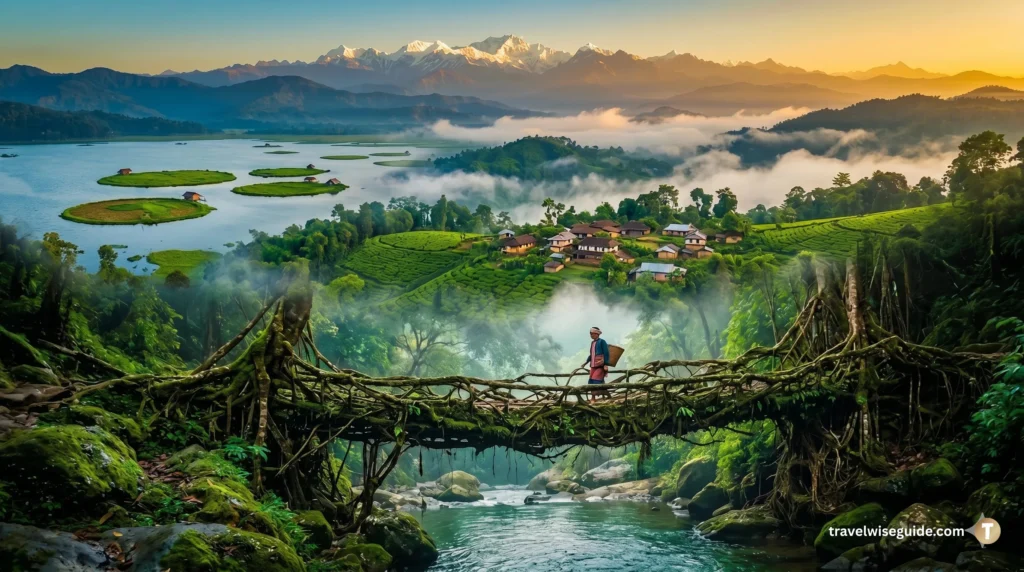
Here, bridges are not built with heavy bricks, but are carefully grown from the living roots of huge trees. Villages sparkle like clean glass after a fresh rain, and whole green islands simply float on calm, silver lakes. From the snowy tops of tall mountains to the warm smell of tea gardens and the gentle sound of temple bells by the sea, the East is exactly like a beautiful picture book coming to life.
If India has a beating heart full of poetry and wonder, you will find it hidden right here.
- If India Has a Poetic Heart, It Beats Here: Top Places to Visit in East India
- East India Travel Guide: Themes of Tribal Heritage and Natural Wonders
- Adventure : Nature Trails & Wildlife
- The East’s Unique Legacy: World-Rare Natural & Bio-Wonders
- Timing Your Journey to the East: Monsoons, Valleys, and Cultural Seasons
- Eastern India Travel Calendar: Beating the Monsoons and Planning Peak Visits
- Festive Canvas of the East: Grand Art Pandals and Himalayan Christmas Carols
- FAQs About East India Travel Guide
- Conclusion
If India Has a Poetic Heart, It Beats Here: Top Places to Visit in East India
Every state in this magical region tells a completely different story. From high-altitude mountain escapes to culturally rich coastal towns, let us explore the seven beautiful chapters that make up this ultimate East India Travel Guide:
1. Sikkim :Serenity in the Clouds
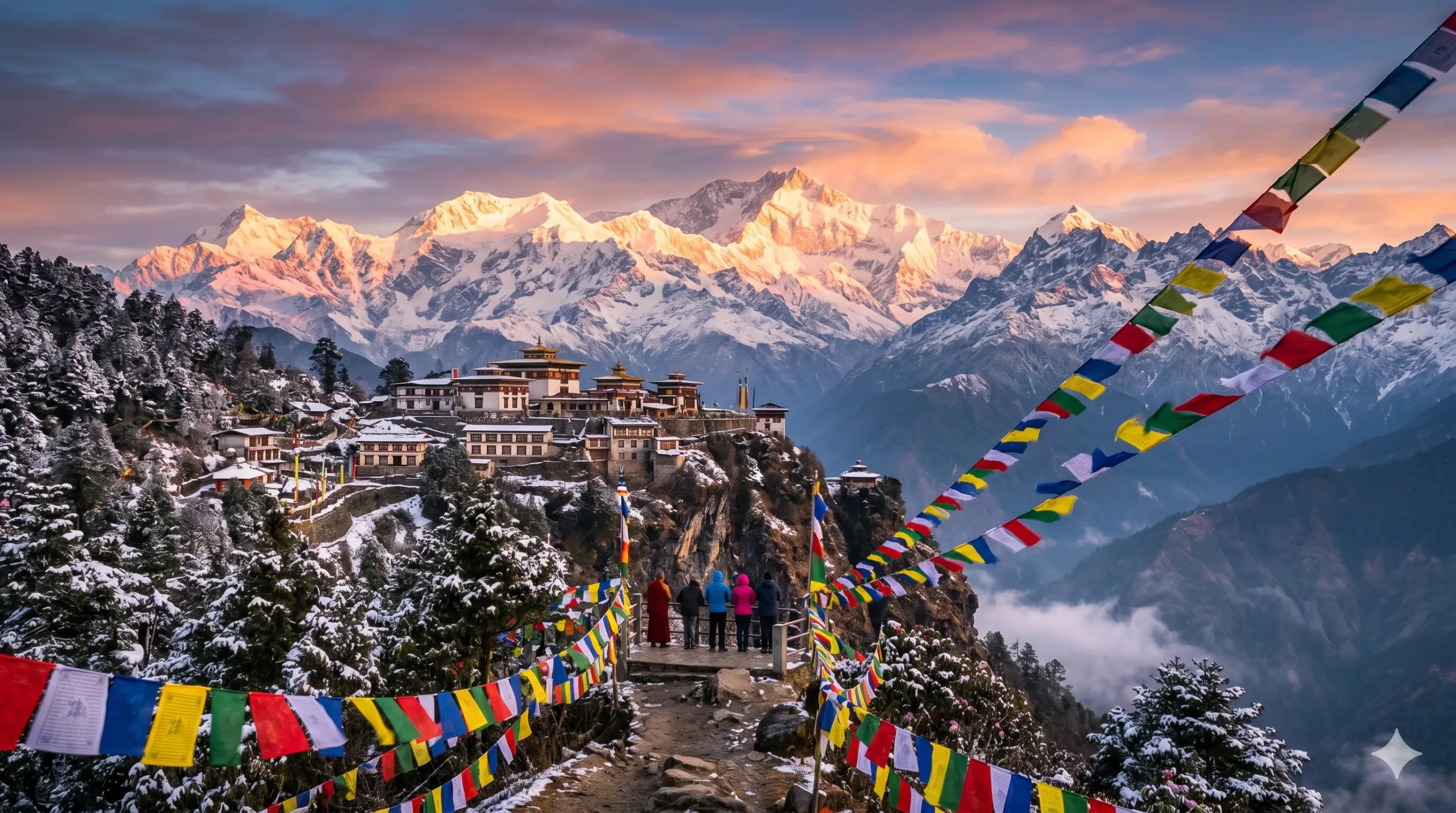
Prayer flags flutter brightly above the snowy tree lines, while ancient monasteries perch peacefully on high mountain cliffs. When crafting your perfect North East India itinerary, witnessing the dawn break over Kanchenjunga as it blushes gold is an absolute must. It is a sight few ever forget, making this mountain haven one of the most breathtaking places to visit in East India.
Quick Travel Snapshot :Sikkim
- Best Time: March – June & October – December (clear skies and Kanchenjunga views)
- How Long: 3 – 4 days (Gangtok, Tsomgo Lake, Nathula Pass, Rumtek Monastery). Note: Since Nathula requires special protected area permits, you can apply and check requirements directly on the official [Sikkim Tourism Department website].
- Budget Range: ₹2,000 – ₹6,000 per day
- Highlight: Misty monasteries and snow-capped serenity.
2. Meghalaya :crown of cleanest village in Asia
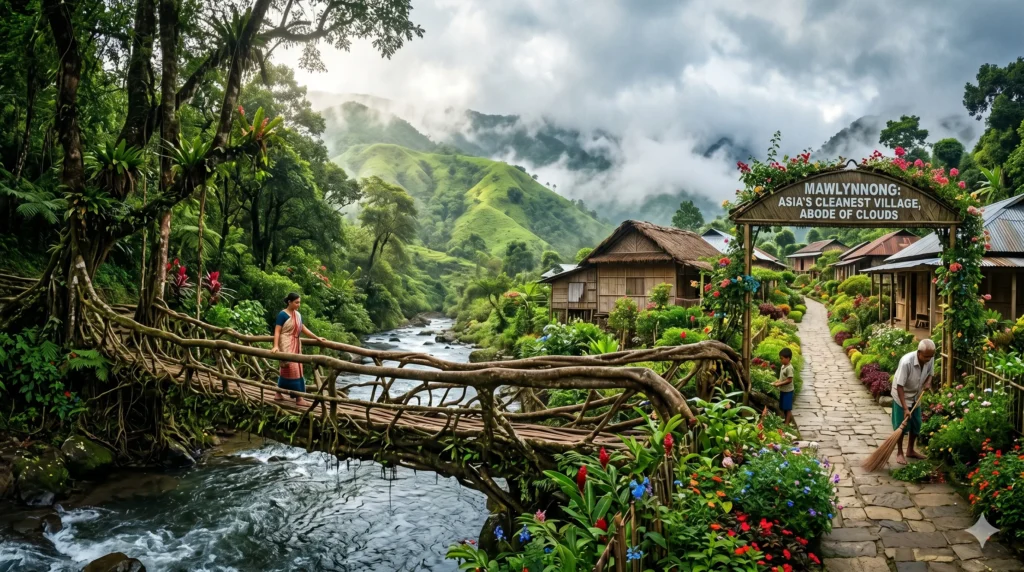
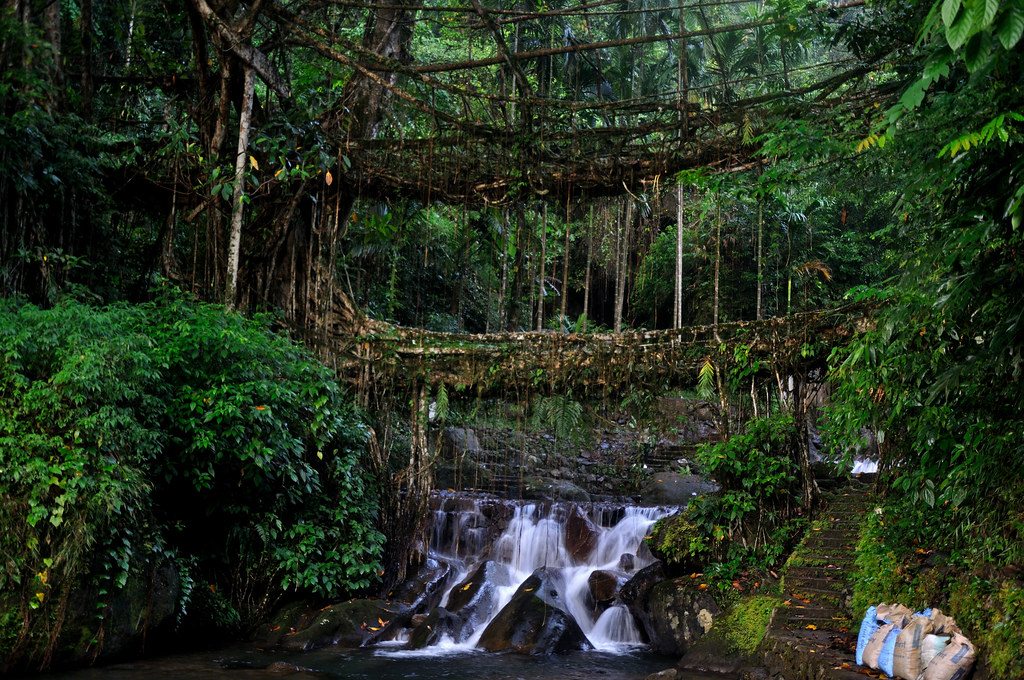
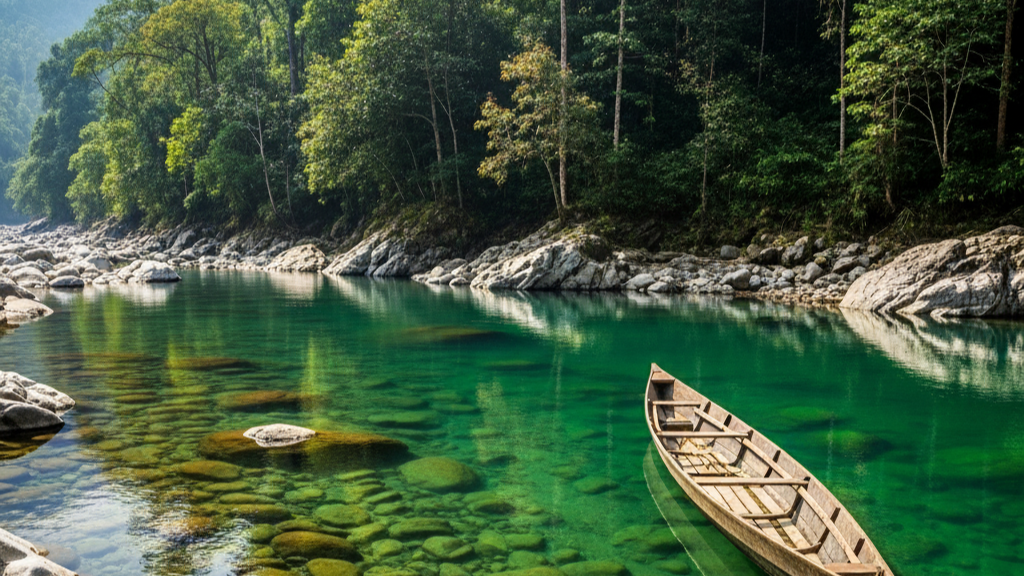
Known as the magical abode of clouds, this lush state is proudly home to the famous living root bridges Meghalaya is celebrated for globally—which is nature’s very own breathing architecture. Walking through the blooming paths of Mawlynnong, famously crowned the cleanest village in Asia, redefines what it means to live in perfect harmony with the earth, making it a star highlight of this East India Travel Guide.
Quick Travel Snapshot :Meghalaya
Best Time: October – April (dry, green, and perfect for trekking & waterfalls)
How Long: 3 days (Shillong, Cherrapunji, Mawlynnong, Living Root Bridges)
Budget Range: ₹1,800 – ₹5,000 per day (eco stays → boutique nature lodges)
Highlight: Waterfalls roaring through clouds, bamboo bridges over emerald valleys, and villages that live in perfect harmony with nature.
Social ,Cultural , Economical and behavioral factors of the village how and why Mawlynong village is Asia’s cleanest vilage
3. Manipur :The Jewel of the East
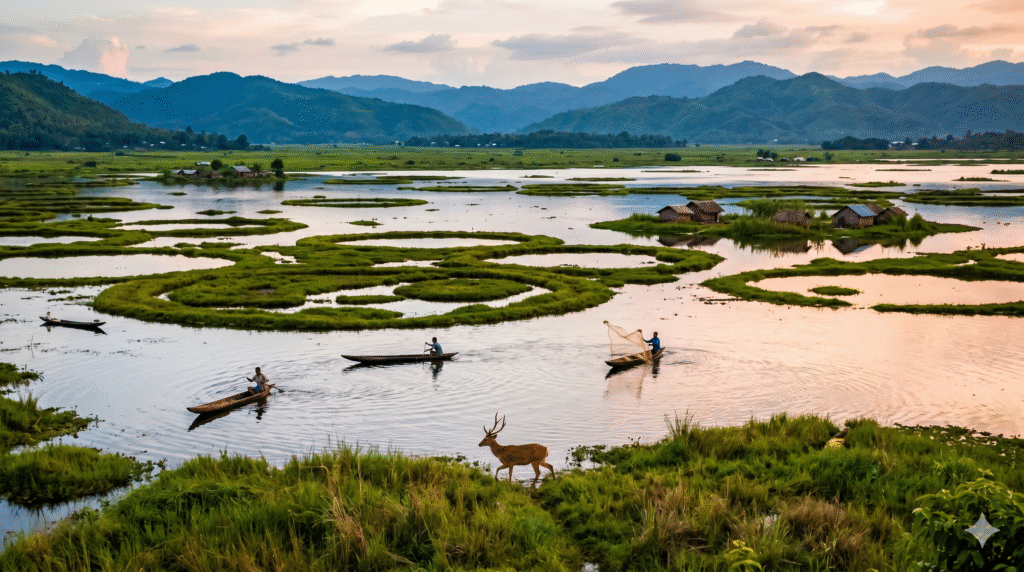
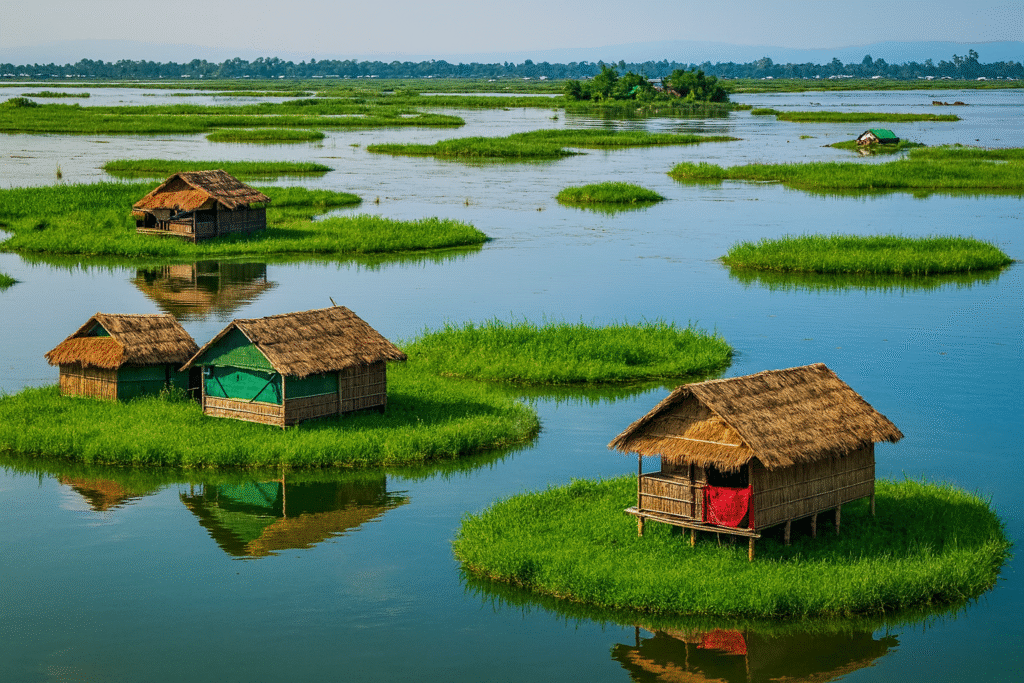
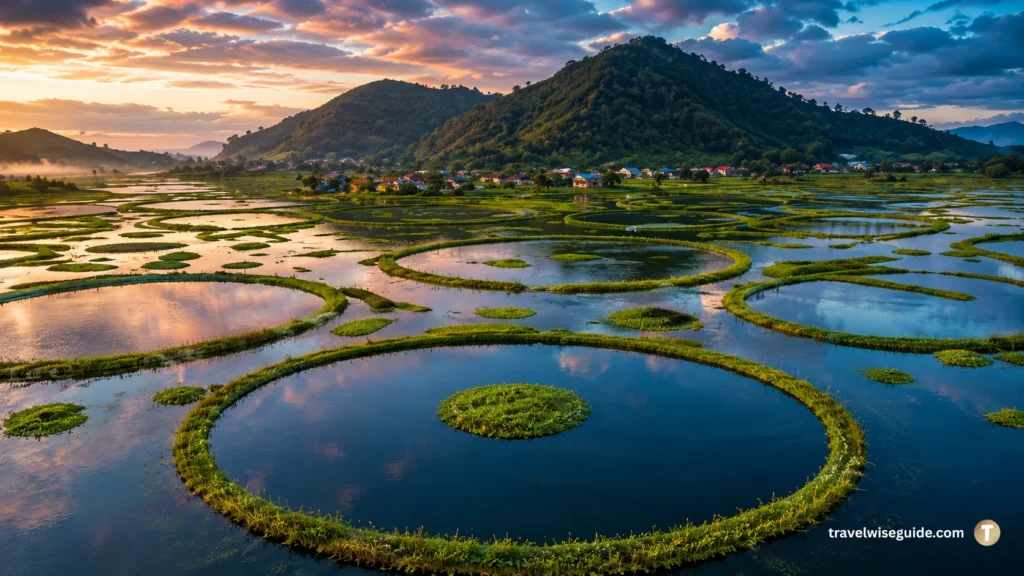
Cradled in green valleys and blue hills, Manipur shimmers with quiet grace. Loktak Lake glides with floating islands called phumdis, fishermen row through silver waters, and the rare Sangai deer moves like a dream through Keibul Lamjao National Park. Here, nature and tradition flow together like poetry
Best Time: October – March (cool, pleasant weather for lake visits & festivals)
How Long: 2 – 3 days (Imphal, Loktak Lake, Keibul Lamjao, Kangla Fort)
Budget Range: ₹1,800 – ₹4,500 per day (guesthouses → eco-resorts)
Highlight: Floating islands, shimmering lakes, women-run bazaars, and the serene rhythm of life that makes Manipur one of India’s most graceful hidden gems
word’s only Floating village on Lokatak Lake read my Blog to know more about it .
4. Nagaland :Land of Tribes and Fire
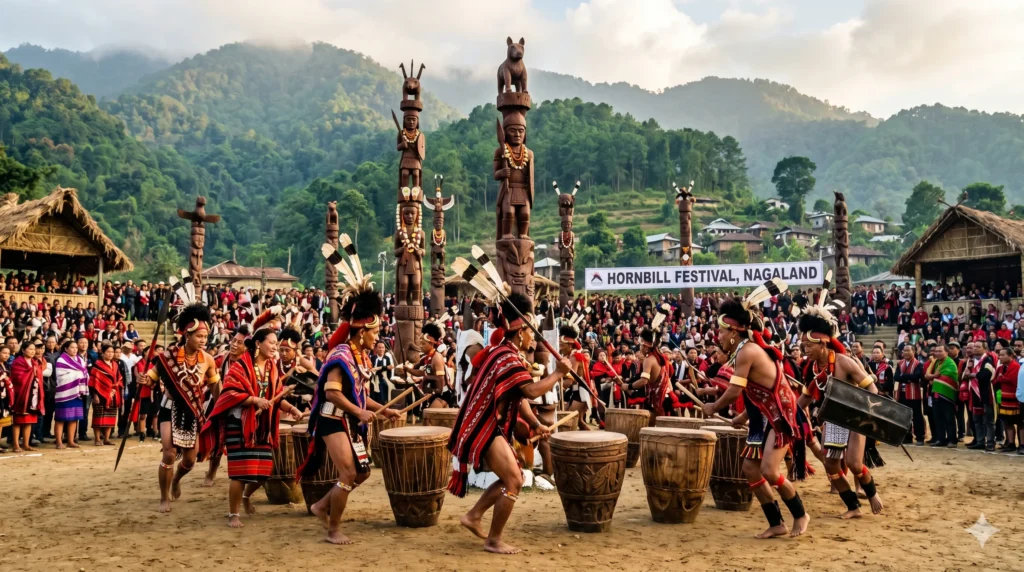
In Nagaland, the hills echo with drums, dances, and stories passed down through generations. Each village is a world of its own — wooden totems, handwoven shawls, and fierce pride in age-old traditions. Every December, the Hornbill Festival in Kohima turns the state into a living museum of colour, rhythm, and courage.
Quick Travel Snapshot : Nagaland
Best Time: November – February (cool weather and Hornbill Festival season)
How Long: 2 – 3 days (Kohima, Kisama Heritage Village, Khonoma, Mokokchung)
Budget Range: ₹2,000 – ₹5,000 per day (homestays → heritage lodges)
Highlight: Tribal culture alive in music, dance, and craft — Nagaland celebrates identity under open skies where bonfires glow and warriors sing.
5. Arunachal Pradesh :Where the Mountains Whisper Prayers
Tucked in India’s far northeast, Arunachal feels like a frontier between earth and sky. Prayer flags flutter over misty valleys, monasteries like Tawang glow golden at dawn, and rivers slice through forests alive with orchids and birdsong. It’s raw, remote, and breathtakingly peaceful.
Quick Travel Snapshot : Arunachal Pradesh
Best Time: October – April (clear skies, blooming valleys, perfect for monasteries & treks)
How Long: 4 – 5 days (Tawang, Bomdila, Ziro Valley, Dirang, Namdapha National Park)
Budget Range: ₹2,500 – ₹6,500 per day (homestays → boutique mountain lodges)
Highlight: Snow peaks, ancient monasteries, tribal villages, and a silence so pure it feels sacred — Arunachal is the Himalayas in their most untouched form.
6. Odisha : Of Temples and the Sea
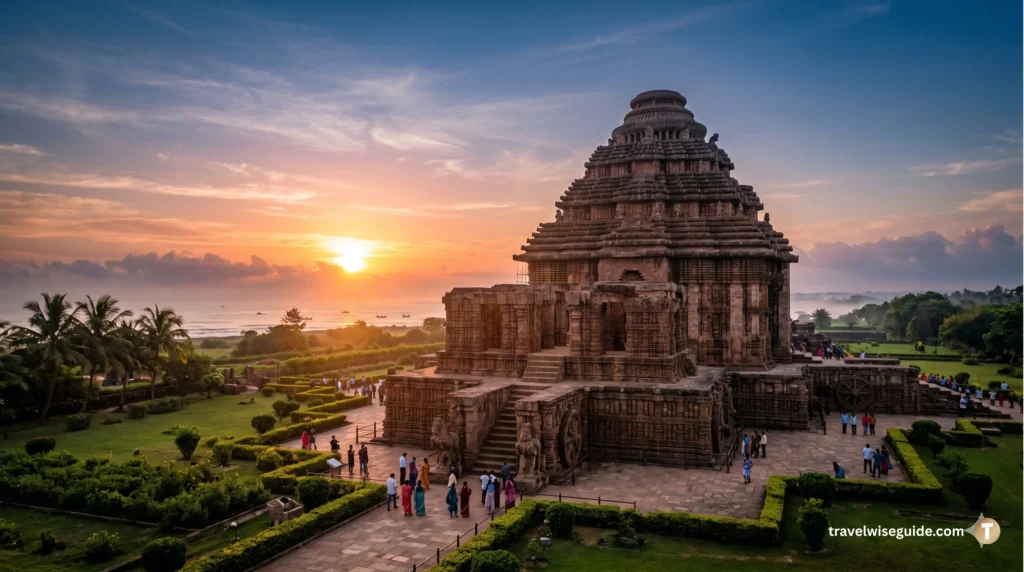
The Sun Temple at Konark gleams like a celestial chariot; Puri’s Jagannath Rath Yatra floods the streets with faith and fervour
Quick Travel Snapshot :Odisha
Best Time: November – February (cool coastal weather for temples & beaches)
How Long: 2 – 3 days (Bhubaneswar, Puri, Konark, Chilika Lake)
Budget Range: ₹1,500 – ₹5,000 per day (pilgrim stays → beach resorts)
Highlight: Ancient temples carved like poetry, sea breezes over the Bay of Bengal, and festivals that light up the coast with devotion.
.
7. Kolkata :The Cultural Capital
Durga Puja: Recognized globally as a UNESCO Intangible Cultural Heritage, this is the biggest celebration in West Bengal and East India. The region transforms with art-filled pandals, traditional music, and mesmerizing dances, celebrating feminine power and artistry. It is an immersive cultural explosion of street food and stunning lights. To explore the full national festival calendar and cultural heritage events across the country, visit the official [Incredible India national tourism portal].
Quick Travel Snapshot : Kolkata
Best Time: October – February (pleasant weather; Durga Puja season at its peak)
How Long: 2 – 3 days (Victoria Memorial, Howrah Bridge, College Street, Kalighat Temple)
Budget Range: ₹2,000 – ₹5,500 per day (colonial hotels → boutique stays)
Highlight: The beating heart of art, literature, and sweets — trams, chai, and Tagore’s spirit in every corner.
East India Travel Guide: Themes of Tribal Heritage and Natural Wonders
To truly understand this region, you have to look beyond the usual tourist trails. The real magic of this East India Travel Guide lies in the deep, unspoken connection between ancient tribal traditions and the raw, untouched earth. Here, travel is not just about taking photographs; it is about stepping into a living, breathing story.
Whether you are seeking quiet enlightenment under sacred trees, walking across organic bridges grown by indigenous tribes, or listening to the heartbeat of the wild in misty valleys, this region offers journeys that transform both the traveller and the land. Let us explore the beautiful themes that define the true soul of the East:
Spiritual Tourism : The Path of Enlightenment
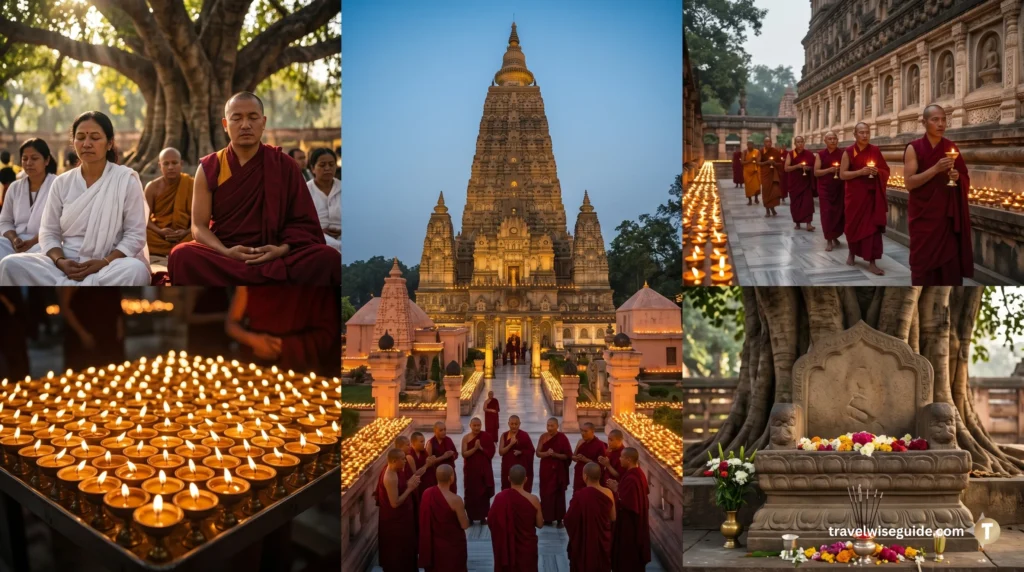
- Bodh Gaya, Bihar: Beneath the Bodhi tree, silence itself feels awakened. Pilgrims meditate where the Buddha once sat — seeking not miracles, but mindfulness. As a crucial spiritual stop in any East India Travel Guide, the magnificent Mahabodhi Temple complex offers a profound sense of peace, with chanting monks and flickering butter lamps creating an atmosphere you will never forget.
Eco & Village Tourism : Living Close to Nature
True eco-tourism goes beyond just sightseeing; it is about witnessing how local communities thrive in perfect harmony with the earth. As a core part of this East India Travel Guide, we showcase how these states set a breathtaking global benchmark for sustainable travel. When crafting your perfect North East India itinerary, including these eco-friendly places to visit in East India is an absolute must. Let us explore these inspiring destinations:
Living Root Bridges of Meghalaya:
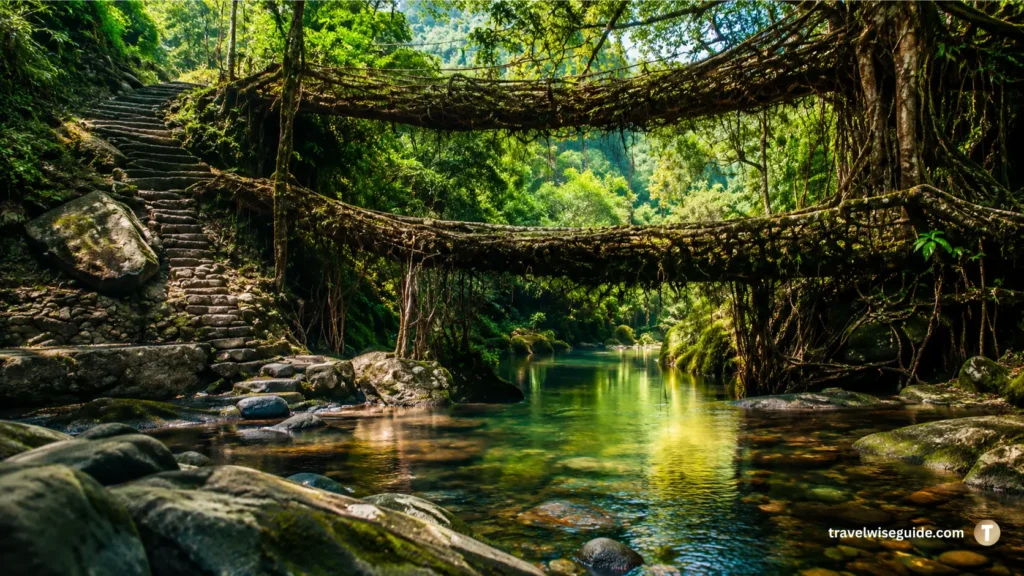
Living Root Bridges & Double-Decker Root Bridge, Meghalaya: In the misty forests of Meghalaya, bridges aren’t built but nurtured. Hand-grown by Khasi tribes, generations guide tree roots across rivers until nature itself becomes a masterpiece of patience and ecology. To understand the fascinating history and science behind this ancient architecture, check out our dedicated article on these bio-engineered [living root bridges of Meghalaya].
Mawlynnong Village, Meghalaya:
Crowned as Asia’s Cleanest Village, with a strict zero-waste policy. Every bamboo path gleams after the rain. If you are looking for the most inspiring places to visit in East India, the community-driven cleanliness and lush blooming gardens of Mawlynnong will leave you completely amazed. Curious about how the locals maintain this magical perfection? Dive into our complete guide to explore the secrets of [Asia’s Cleanest Village].
Loktak Lake, Manipur:
Across Loktak’s glassy waters, floating islands (phumdis) drift like green clouds. India’s only floating lake feels alive, offering a rare glimpse into the sustainable, peaceful lifestyle of the local fishing communities.
Adventure : Nature Trails & Wildlife
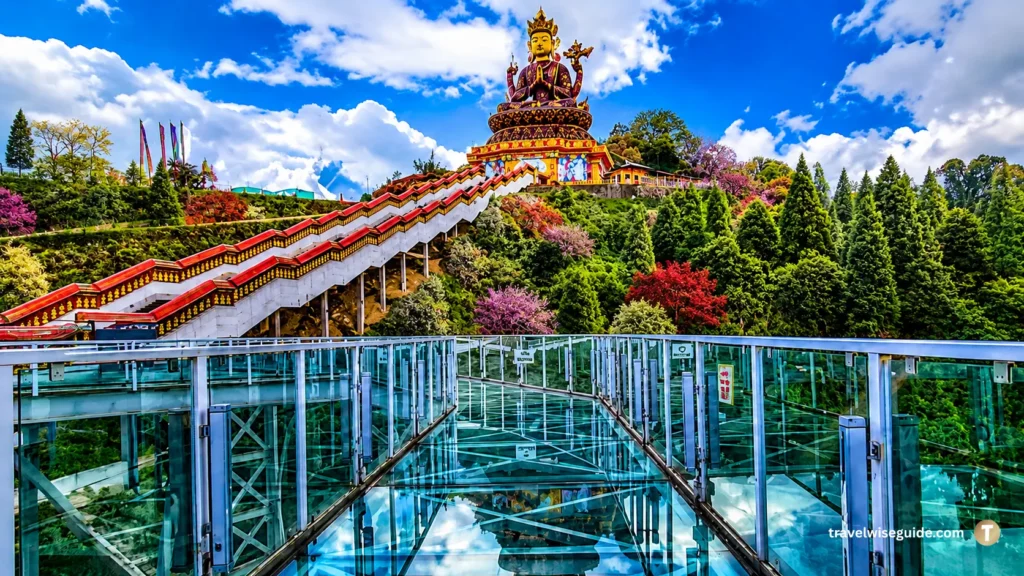
- Sikkim’s Valleys & Skywalks: When spring arrives, rhododendrons burst like confetti across the hills, making it a high-altitude paradise that you must add to your North East India itinerary for the ultimate trekking experience. For those seeking an extra thrill, the region also offers heart-pounding walks above the clouds. In fact, some of the [best glass bridges] in the country (like the famous Pelling Skywalk) are hidden right here in the Eastern hills!
- Kaziranga National Park: Misty wetlands, elephants on the horizon, and the quiet dignity of the one-horned rhino. Early morning jeep safaris here offer thrilling, up-close encounters with raw, untamed nature in its purest form.
- Caving in Meghalaya: Explore underground waterfalls and ancient limestone formations in Mawsmai or Arwah. These mysterious, naturally carved cave networks add a perfect adrenaline-pumping edge to your journey.
The East’s Unique Legacy: World-Rare Natural & Bio-Wonders
Nature in this part of the world doesn’t just exist; it works hand-in-hand with humanity in magical ways you will not find anywhere else on earth. As you read through this East India Travel Guide, you will discover that the people here do not conquer nature—they beautifully partner with it. From whole ecosystems floating peacefully on the water to actual living architecture grown from ancient roots, the East completely redefines what is naturally possible. Get ready to witness these breathtaking creations:
Living Marvels: Floating Lakes and Bio-Engineered Root Bridges
- Loktak Lake, Manipur: Far to the east, Manipur’s Loktak Lake carries homes, gardens, and dreams on its floating phumdis. Taking a wooden boat ride here is a humbling experience where human resilience beautifully meets nature. If you are curating your perfect North East India itinerary, this marvel is undoubtedly one of the most surreal places to visit in East India. Want to know how people actually live on water? Dive into our [complete guide to Loktak Lake’s floating village] and add this magical destination to your ultimate East India Travel Guide bucket list.
- Living Root Bridges & Double-Decker Root Bridge, Meghalaya: In the misty forests of Meghalaya, bridges aren’t built but nurtured. Hand-grown by Khasi tribes, generations guide tree roots across rivers until nature itself becomes a masterpiece of patience and ecology.
- Majuli Island, Assam: The world’s largest river island, where monks paint devotion into dance and vibrant art traditions thrive. Cycling through its peaceful tribal villages and ancient satras (monasteries) feels like stepping back in time.
Timing Your Journey to the East: Monsoons, Valleys, and Cultural Seasons
The East and North-East are heavily dictated by rain and altitude. Knowing when to visit ensures you catch the blooming valleys rather than the heavy downpours.
- Summer (Apr – Jun): The best time to visit Sikkim’s flower valleys and high-altitude monasteries.
- Monsoon (Jul – Sep): Meghalaya turns vibrantly green, perfect for seeing roaring waterfalls and living root bridges.
- Winter (Oct – Mar): Ideal for Bodh Gaya, Majuli Island, and witnessing cultural extravaganzas like the Hornbill Festival.
Eastern India Travel Calendar: Beating the Monsoons and Planning Peak Visits
The East and North-East are heavily influenced by the monsoons. Timing your visit correctly is the secret to experiencing its vibrant festivals and lush landscapes without weather disruptions.
- 🗓️ Best Months: * East (Kolkata, Odisha): Oct–Feb
- North-East (Assam, Meghalaya, Sikkim): Oct–Apr
- 👥 Crowd Level: 🟨 Moderate (Shoulder season) | 🟩 Low (Very quiet off-season during monsoons)
- 🌦️ Weather Snapshot: Post-monsoon autumns and winters are highly pleasant. The region experiences heavy monsoons (Jun–Sep) which make it green but can cause road closures in the North-East.
- 💡 Rapid Tip: Plan your cultural trips and festival visits right after the monsoon (Oct–Feb). For trekking and clear viewpoints in the North-East, stick to the Oct–Apr window.
Festive Canvas of the East: Grand Art Pandals and Himalayan Christmas Carols
The East and North-East turn devotion into sheer artistry. Whether it’s crafting majestic idols or singing carols in the misty hills, festivals here are culturally rich and community-driven. While this East India Travel Guide focuses on regional marvels, you can dive deeper into the country’s diverse cultural tapestry by exploring our comprehensive guide on vibrant [Indian festivals].
Artistry and Global Celebrations
Durga Puja: The biggest celebration in West Bengal and East India. The region transforms with art-filled pandals, traditional music, and mesmerizing dances, celebrating feminine power and artistry. It is an immersive cultural explosion of street food, stunning lights, and community warmth.
Christmas in the Hills: Faraway hill towns in the North-East states hum carols beneath pine trees, bringing a magical, wintery global celebration to the region. The crisp mountain air, grand church bells, and local feasts make it the absolute best time to visit North East India if you love festive cheer.
💡 Did You Know? Over 50,000 artisans work each year to create Kolkata’s magnificent Durga Puja pandals
FAQs About East India Travel Guide
What is the best time to plan a North East India itinerary?
The ideal time to visit depends heavily on the rain and altitude. For a perfect North East India itinerary (covering Assam, Meghalaya, and Sikkim), the October to April window offers clear skies and pleasant weather. It is highly recommended to avoid the heavy monsoons (July–September) to prevent road closures.
Which are the top places to visit in East India?
A comprehensive East India Travel Guide features diverse destinations ranging from the majestic mountains to coastal temples. Top places to visit in East India include Sikkim for its misty monasteries, Meghalaya for living root bridges, Manipur for the floating Loktak Lake, and Odisha for the Sun Temple at Konark.
Which is the cleanest village in Asia?
Mawlynnong, located in Meghalaya, is crowned as Asia’s cleanest village. The village maintains a strict zero-waste policy where every bamboo path gleams after the rain. This community-driven destination is a must-see addition to any East India Travel Guide.
Where can I find the world’s only floating lake?
The world’s only floating lake is Loktak Lake, located in Manipur. It features floating islands, known as phumdis, which carry homes, gardens, and fishing villages. Taking a wooden boat ride on Loktak Lake is one of the most unique experiences and places to visit in East India.
How many days are needed for a North East India itinerary?
A well-paced North East India itinerary requires about 2 to 5 days per state, depending on the region. For instance, exploring Sikkim or Meghalaya takes 3 to 4 days each, while Arunachal Pradesh requires 4 to 5 days to experience its remote monasteries and nature trails.
Where can you see living root bridges in India?
You can walk across 100% organic living root bridges in the misty forests of Meghalaya. Hand-grown by ancient Khasi villagers who guided the roots of rubber trees across rivers, these bio-engineered marvels are a breathtaking highlight of any East India Travel Guide.
What are the famous cultural festivals of East India?
The region is culturally rich, featuring the Hornbill Festival in Kohima, Nagaland, which turns the state into a living museum of tribal music and dance every December. Additionally, Durga Puja transforms West Bengal into a grand showcase of art-filled pandals, making it an essential cultural stop on your North East India itinerary.
What is the best destination for spiritual tourism in East India?
Bodh Gaya in Bihar is a crucial destination for spiritual tourism. Pilgrims travel here to meditate beneath the Bodhi tree where the Buddha once sat. The magnificent Mahabodhi Temple complex offers profound peace, making it one of the most significant places to visit in East India for mindfulness.
Conclusion
Looking for a complete 20-day Pan-India journey? Be sure to check our comprehensive [Master Itinerary] on the main page. However, if your heart seeks untouched tribal heritage, mist-covered mountains, and bio-engineered marvels, let this ultimate East India Travel Guide be your trusted roadmap.
From figuring out the best time to visit North East India to discovering the most peaceful places to visit in East India, this magical region promises memories that will stay with you forever. Whether you are planning a short getaway or a detailed North East India itinerary, the Eastern heartland is ready to welcome you with open arms.
Over to You! 🌍 Which of these rare wonders are you adding to your bucket list first—the living root bridges of Meghalaya, or the floating islands of Manipur? Let me know your thoughts in the comments below!
Happy Travels,
Ashish Singh
Travel Wise Guide
“Looking for a 20-day plan? Check our [Master Itinerary] on the main page. While that covers the North, West, and South, here is a specific 5-day plan for the East/Central heartland…”