Kudremukh Travel Guide: Best Places to Visit, Things to Do and Travel Tips
Last Updated on
18 Nov.2026
Last Updated: 14November 2026
Kudremukh is one of the most beautiful mountain regions in Karnataka’s Western Ghats. It is known for its green hills, thick forests, flowing streams, waterfalls and long walking trails. Unlike busy hill towns, this region offers a quieter experience, where you can enjoy nature and spend time away from city life.
The name Kudremukh means ‘horse face’ in Kannada. The main peak gets this name because its shape looks like a horse’s face when seen from the side. Located in Chikkamagaluru district, Kudremukh is also home to one of Karnataka’s richest forest areas.
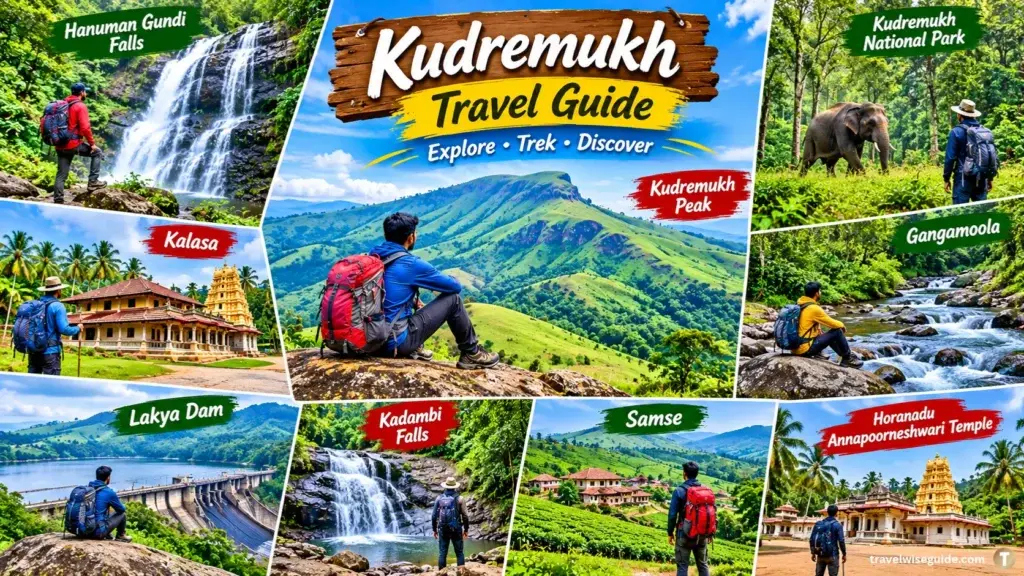
But there is more to explore than just its famous peak. Nearby places such as Kalasa, Samse, Hanuman Gundi Falls and Gangamoola make this region worth a longer visit.
Whether you enjoy trekking, waterfalls, forest drives or peaceful mountain views, this Kudremukh travel guide will help you plan your trip with useful details about places, distances, permits, costs and the best time to visit.
- Where Is Kudremukh Located?
- Best Places to Visit in Kudremukh
- Things to Do in Kudremukh
- Best Time to Visit Kudremukh
- How to Reach Kudremukh
- Kudremukh Trek Ticket Price and Entry Information
- Where to Stay in Kudremukh
- A Simple 2-Day Kudremukh Travel Plan
- Important Travel Tips for Kudremukh
- Frequently Asked Questions About Kudremukh
- Final Thoughts
Where Is Kudremukh Located?
Kudremukh is located in the Western Ghats of Karnataka, mainly in Chikkamagaluru district. To explore the wider mountain region and its other destinations, read our Karnataka Western Ghats Travel Guide The region is part of Kudremukh National Park, which also extends into Dakshina Kannada district.
Kalasa is one of the main towns used as a base for exploring this area. It has road connections to nearby villages, forest attractions and mountain routes. Kudremukh is part of the wider Chikkamagaluru region. If you want to explore more attractions around the district, read our Chikkamagaluru Travel Guide for additional sightseeing ideas and practical travel information. For official information about tourist attractions and places of interest in the district, visit the Chikkamagaluru District Tourism website
Kudremukh is about 95 km from Chikkamagaluru town and around 350 km from Bengaluru by road. Mangaluru is another important access point, about 130 km away.
If you are planning a longer trip across the region, you can also read our Western Ghats travel guide to understand how Kudremukh fits into Karnataka’s mountain landscape.
Best Places to Visit in Kudremukh
1. Kudremukh Peak
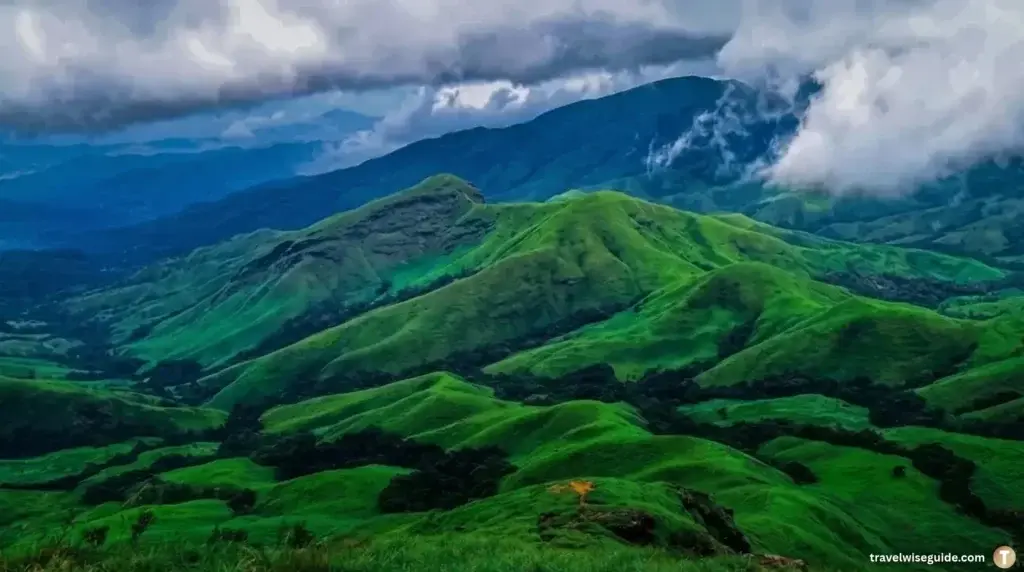
Kudremukh Peak is the main attraction of this region. Standing at about 1,892 metres, it is the second-highest peak in Karnataka after Mullayanagiri.
The trek starts near Mullodi village, which is reached from Kalasa by a local jeep. The trail passes through forest paths, small streams and wide green grasslands before reaching the summit.
The full trek is around 20 km for the return journey and usually takes a full day. It is a moderate trek, but the distance and changing weather make it important to have good fitness.
Trek details:
- Starting point: Mullodi village
- Distance: Around 20 km return
- Time needed: Around 7–9 hours, depending on conditions
- Difficulty: Moderate
- Permission: Forest Department permit is compulsory
- Camping: Not allowed
The horse-shaped mountain view is the special feature of this trek. However, the best part for many visitors is the changing landscape, from dark forest paths to open green slopes. If you enjoy exploring mountain trails beyond Kudremukh, read our detailed guide to trekking in Karnataka, which covers some of the state’s most popular peaks and forest trekking routes.
2. Kudremukh National Park
Kudremukh National Park covers around 600.57 sq km across parts of Chikkamagaluru and Dakshina Kannada districts.
It is known for its evergreen forests, high grasslands, streams and rich wildlife. The park provides a home to animals such as gaur, sambar deer, sloth bears, leopards and tigers. Malabar giant squirrels and many forest birds also live here. Kudremukh National Park is an important protected landscape of the Western Ghats. For more information about its natural environment, wildlife and visitor guidelines, refer to the official Karnataka Tourism website
This is not a normal public garden where visitors can walk anywhere. Several areas are protected, and access depends on forest rules and approved activities.
For a better understanding of the region’s wildlife, read our guide to wildlife in Karnataka.
3. Hanuman Gundi Falls
.
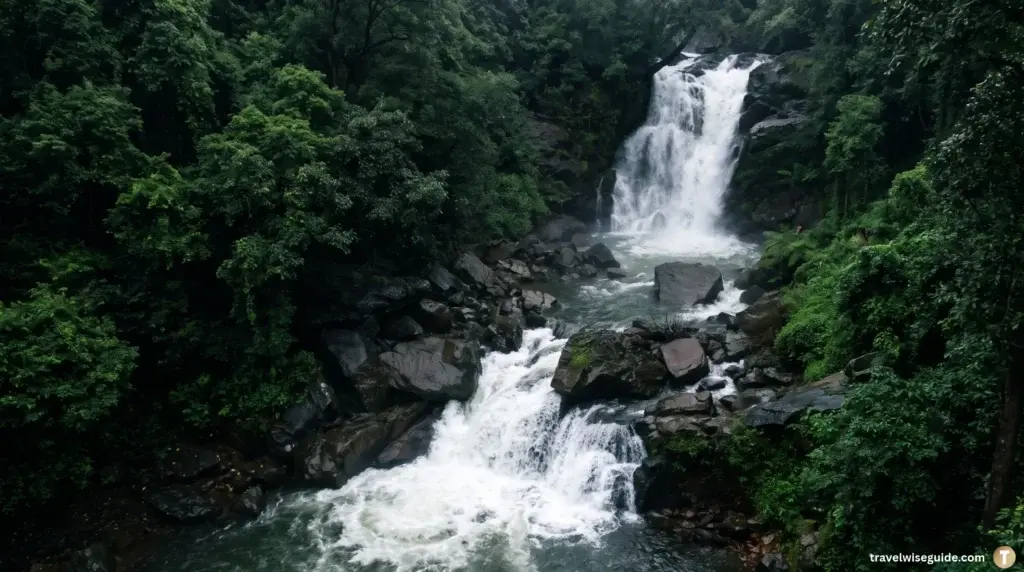
Hanuman Gundi Falls, also known as Suthanabbe Falls, is one of the most beautiful waterfalls near Kudremukh.
Water flows down a rocky face into a natural pool surrounded by forest. The waterfall becomes especially attractive after the monsoon, when the surrounding hills are fresh and green.
Visitors need to walk down a series of steps to reach the waterfall area. Take care on wet steps and do not enter the water when the current is strong.
Visitor information:
- Location: Near Kudremukh, on the road towards Sringeri
- Distance: Around 15 km from Kudremukh
- Entry: Forest Department ticket required
- Published ticket price: ₹200 per person
- Ticket issue hours shown on the booking information page: 8 am–4 pm
Entry rules and visiting hours can change with weather and forest conditions. Check the current booking information before travelling.
4. Gangamoola (Ganga Moola)
Gangamoola is one of the most interesting natural places in the Kudremukh region. It is located inside the Bhagawathi forest and is known as the source area of three important rivers: the Tunga, Bhadra and Netravati.
The place has a small shrine dedicated to Goddess Bhagavathi. A cave here is also known for a Varaha image measuring about 1.8 metres.
What makes Gangamoola special is its importance to the rivers and forests of this part of Karnataka. It is not just another viewpoint; it is connected to the water systems that support life across a much wider area.
Access is subject to forest rules, so check locally before making this a fixed stop.
5. Lakya Dam
Lakya Dam is another interesting stop in the Kudremukh landscape. It is linked to the area’s former iron ore mining activities.
The dam was built as part of the mining project to hold mining waste. Today, the surrounding hills and water create a different view from the usual green grasslands and forest scenery.
It is important to understand that this is not a regular tourist picnic spot. Access to the dam and nearby project areas may be restricted. Do not enter private or restricted areas without permission.
6. Kadambi Falls
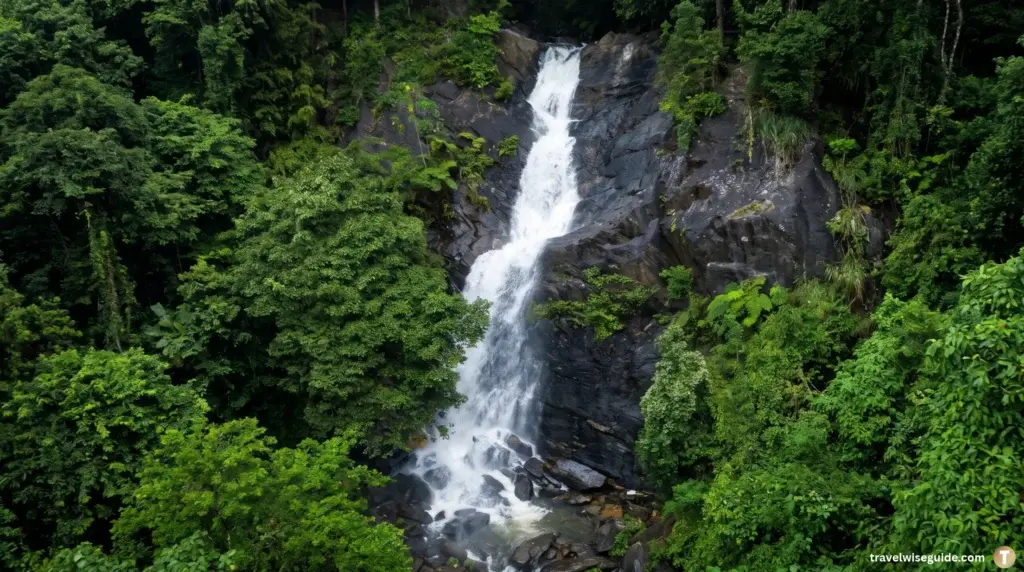
Kadambi Falls is a beautiful waterfall surrounded by thick greenery in the Kudremukh forest region.
The falling water and the forest setting make it a good place for nature lovers and photography. The waterfall is particularly attractive after the rains. If you want to discover more waterfalls across the Western Ghats, explore our complete guide to waterfalls in Karnataka, featuring beautiful cascades, forest trails and useful travel tips.
However, access and road conditions can change during the monsoon. Follow the signs and forest staff instructions, and do not try to reach closed areas.
7. Kalasa
Kalasa is an important town for anyone exploring Kudremukh. It is surrounded by hills, forests and coffee-growing areas.
The town is also known for the Kalaseshwara Temple, which is an important local place of worship. You can spend some time exploring the temple and the quiet streets before travelling towards the forest attractions.
Kalasa is also a useful place to arrange local transport, food and accommodation.
8. Samse
Samse is a small village near Kudremukh, known for its peaceful surroundings, green slopes and coffee plantations.
It is a good place to experience the rural side of the Western Ghats. The road journey through this area offers views of plantations, forest-covered hills and small settlements. If you would like to explore more coffee estate experiences across the Western Ghats, take a look at our guide to the 7 best coffee plantations in the Western Ghats
Rather than treating Samse as a place for many sightseeing stops, enjoy it as part of a slow drive through the countryside.
9. Horanadu Annapoorneshwari Temple
Horanadu is a well-known temple town near Kalasa. The Annapoorneshwari Temple is dedicated to Goddess Annapoorneshwari and attracts visitors throughout the year.
Many travellers include Horanadu in their Kudremukh trip distance is 35 km. from Kudremukh ,because it offers a peaceful break from trekking and sightseeing.
Visitors should dress respectfully and follow the temple’s rules. Check local timings before travelling, especially on festival days.
Things to Do in Kudremukh
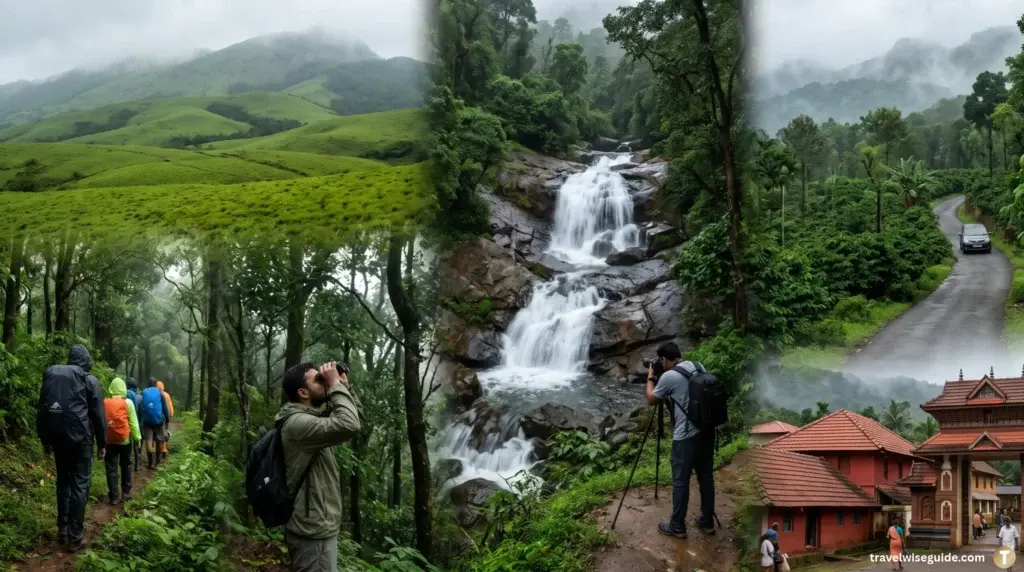
There is more to Kudremukh than climbing its famous peak. You can:
- Trek through forest paths and open grasslands.
- Visit waterfalls after the monsoon.
- Enjoy quiet drives through coffee plantations.
- Watch birds in their natural surroundings.
- Explore the villages of Kalasa and Samse.
- Visit local temples and learn about the area’s culture.
- Enjoy photography of hills, streams and forest landscapes.
If you enjoy exploring mountain destinations, our guide to hill stations in Karnataka has more places worth adding to your journey.
Best Time to Visit Kudremukh
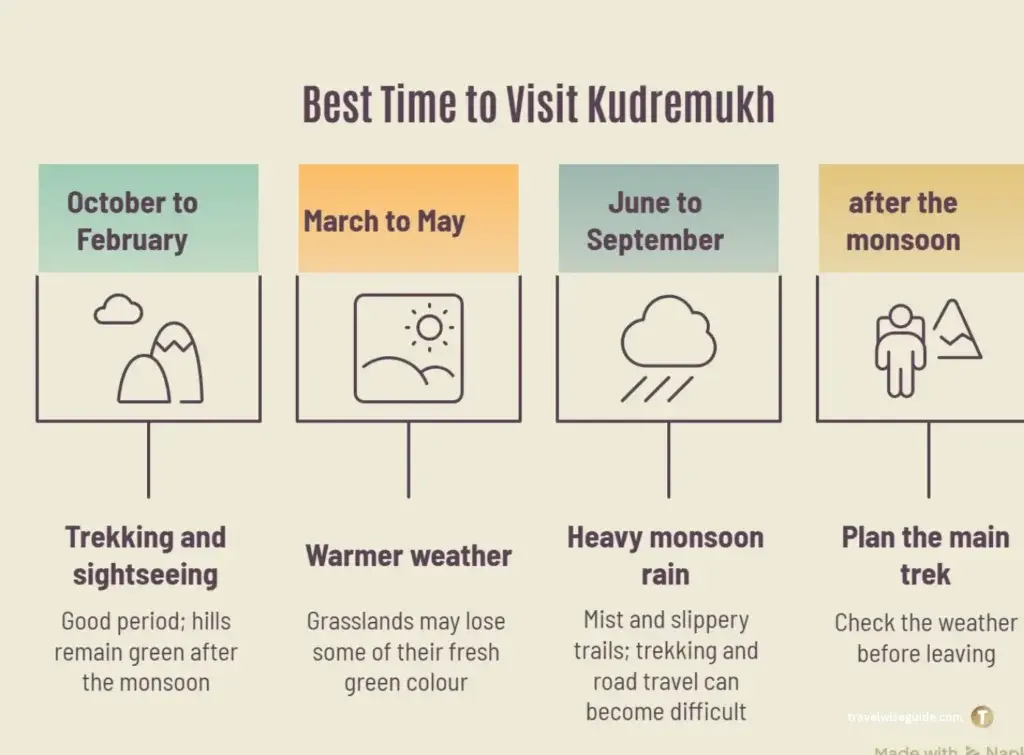
The best time to visit Kudremukh is generally October to February or March.
October to February: This is a good period for trekking and sightseeing. The hills remain green after the monsoon, while the weather is usually more suitable for long walks.
March to May: The weather becomes warmer, and the grasslands may lose some of their fresh green colour. Check for seasonal trekking restrictions and forest fire warnings before planning a trek.
June to September: The monsoon brings heavy rain, mist and slippery trails. Waterfalls look beautiful, but trekking and road travel can become difficult. Forest authorities may close routes for safety.
For the best experience, plan your main trek after the monsoon and check the weather before leaving.
How to Reach Kudremukh
By Road: Kudremukh can be reached through Kalasa and nearby towns. A private car or taxi is useful because public transport to smaller forest attractions is limited. If you enjoy exploring Karnataka by road, see our guide to road trips in Karnataka for scenic routes, travel ideas and useful stopovers across the Western Ghats.
By Train: Mangaluru is a useful railway access point. From there, continue by road towards Kalasa and Kudremukh.
By Air: Mangaluru International Airport is the nearest major airport, around 130 km from the Kudremukh region.
Approximate road distances:
| Starting point | Distance |
|---|---|
| Kalasa | 20 km |
| Chikkamagaluru | 95 km |
| Mangaluru | 130 km |
| Bengaluru | 350 km |
Distances are approximate and depend on your exact destination and route.
Kudremukh Trek Ticket Price and Entry Information
A permit is compulsory for the Kudremukh Peak trek. Visitors must book through the Karnataka Forest Department’s official trekking system, Aranya Vihaara. For the latest trekking availability, booking rules and entry requirements, check the official Karnataka Forest Department’s Aranya Vihaara portal before planning your trek.
The Forest Department’s published price information currently lists the following charges:
| Activity | Published price |
|---|---|
| Kudremukh Peak trek | ₹575 per person |
| Guide charge | ₹1,000 per 10 trekkers |
| Hanuman Gundi Falls | ₹200 per person |
| Safari entry | ₹200 per person |
| Safari vehicle | ₹3,000 per vehicle |
These are published rates, not a guarantee of the final amount payable on your travel date. Confirm the current charges and available activities on the official portal before booking.
Important: Trekking slots are limited. Book in advance, carry the same government photo ID used during registration and follow the guide’s instructions. Do not attempt to enter the forest trail without a valid permit.
Where to Stay in Kudremukh
Kalasa is a practical base for most visitors. You can find local homestays, guest houses and small stays around Kalasa and nearby villages.
Samse and the surrounding coffee-growing areas also offer a quieter stay experience. Choose your accommodation according to the places you want to visit and the starting time of your trek.
If you are planning a trek, stay close to the starting point on the previous night. This will help you reach the forest check post early.
A Simple 2-Day Kudremukh Travel Plan
Day 1: Reach Kalasa, check into your stay and explore Kalaseshwara Temple and the nearby countryside. Visit Hanuman Gundi Falls if access and time allow. Keep the evening free and prepare for the next day’s trek.
Day 2: Start early for your pre-booked Kudremukh Peak trek. Complete the trek with your authorised guide and return before sunset. If you have more time, explore Samse or plan a separate visit to Horanadu.
Do not try to cover every waterfall and mountain trail in one day. Forest roads and local travel can take longer than expected.
Important Travel Tips for Kudremukh
- Wear shoes with a good grip for forest trails.
- Carry a rain jacket, even outside the monsoon.
- Keep enough drinking water and simple snacks for the trek.
- Carry cash for local transport and small expenses.
- Do not litter or use single-use plastic in trekking areas.
- Avoid loud music and do not disturb wildlife.
- Do not enter restricted forest or mining areas.
- Follow the guide and return within the permitted time.
- Check road and weather conditions before leaving.
Kudremukh is a protected natural area, so responsible travel is important. Respecting forest rules helps protect the landscape for future visitors.
Frequently Asked Questions About Kudremukh
What is the best time to visit Kudremukh?
The best time to visit Kudremukh is from October to February. The hills remain green after the monsoon, and the weather is generally suitable for trekking and sightseeing. Avoid planning the main trek during heavy monsoon rains, as trails can become slippery and forest authorities may restrict access.
How many days are enough to explore Kudremukh?
Two days are enough to explore the main attractions of Kudremukh, including Kudremukh Peak, Hanuman Gundi Falls and Kalasa. However, three days are better if you want to visit nearby places such as Gangamoola, Kadambi Falls, Samse and Horanadu without rushing.
Is a permit required for the Kudremukh Peak trek?
Yes, a Forest Department permit is compulsory for the Kudremukh Peak trek. Visitors must book their trekking slots through the official Karnataka Forest Department’s Aranya Vihaara portal. Trekking slots are limited, so booking in advance is recommended.
What is the total distance of the Kudremukh trek?
The Kudremukh Peak trek is approximately 20 km for the return journey, starting from Mullodi village. It usually takes around 7–9 hours to complete, depending on your fitness, weather and trail conditions. The trek passes through forests, streams and open grasslands.
How far is Kudremukh from Bengaluru and how can you reach it?
Kudremukh is approximately 350 km from Bengaluru by road. You can reach the region by private car or taxi via Kalasa. Mangaluru is another useful access point, with the nearest major railway station and airport located around 130 km away.
What are the best places to visit in Kudremukh?
Some of the best places to visit in Kudremukh include Kudremukh Peak, Kudremukh National Park, Hanuman Gundi Falls, Gangamoola, Lakya Dam, Kadambi Falls, Kalasa, Samse and Horanadu Annapoorneshwari Temple. These places offer a mix of mountain views, waterfalls, forests and cultural experiences.
Is Kudremukh suitable for a family trip?
Yes, Kudremukh is suitable for a family trip. Families can enjoy scenic drives, waterfalls, nearby villages, coffee plantations and temples. However, the 20 km Kudremukh Peak trek may be difficult for young children and people who are not used to long walks.
What should I know before planning a Kudremukh travel guide and trip?
Before planning your Kudremukh travel guide and trip, check trekking permits, weather conditions, forest entry rules and accommodation availability. Carry comfortable trekking shoes, a rain jacket, drinking water and valid photo identification. Follow forest guidelines and avoid entering restricted areas.
Final Thoughts
Kudremukh is a place where mountains, forests, rivers and small villages come together to create a special travel experience. Its beauty is not limited to the famous peak. The waterfalls, coffee-growing areas, river sources and peaceful roads make the wider region worth exploring.
Plan your visit with enough time, check forest permits in advance and respect the natural surroundings. A little preparation will help you enjoy Kudremukh without rushing from one place to another.