The Ultimate Ladakh Travel Guide: Expert Advice on Accommodation, Transport, and Essential Safety
Last Updated on
13/02/2026
Standing at 18,380 feet on Khardung La Pass, with prayer flags fluttering in the thin air and the world’s highest motorable road stretching endlessly before me, I realised why this Ladakh travel guide exists—because Ladakh isn’t just a destination, it’s a complete transformation of soul and spirit.
Welcome to the Land of High Passes, where ancient Buddhist monasteries cling to impossibly steep cliff faces, turquoise lakes mirror snow-capped peaks that pierce the sky, and every breath you draw reminds you that you’re closer to the heavens than most humans ever venture. After five transformative journeys to this ethereal corner of northern India, I’ve crafted this definitive guide to travelling in Ladakh to ensure your Himalayan adventure unfolds as seamlessly as it is spectacular.
Whether you’re dreaming of sunrise painting Pangong Tso in impossible shades of blue, seeking spiritual solace amongst the ancient chants of Hemis Monastery, or simply craving the ultimate digital detox in one of Earth’s most remote corners, this comprehensive resource contains every secret, tip, and insight I wish I’d possessed before my first expedition to this high-altitude wonderland.
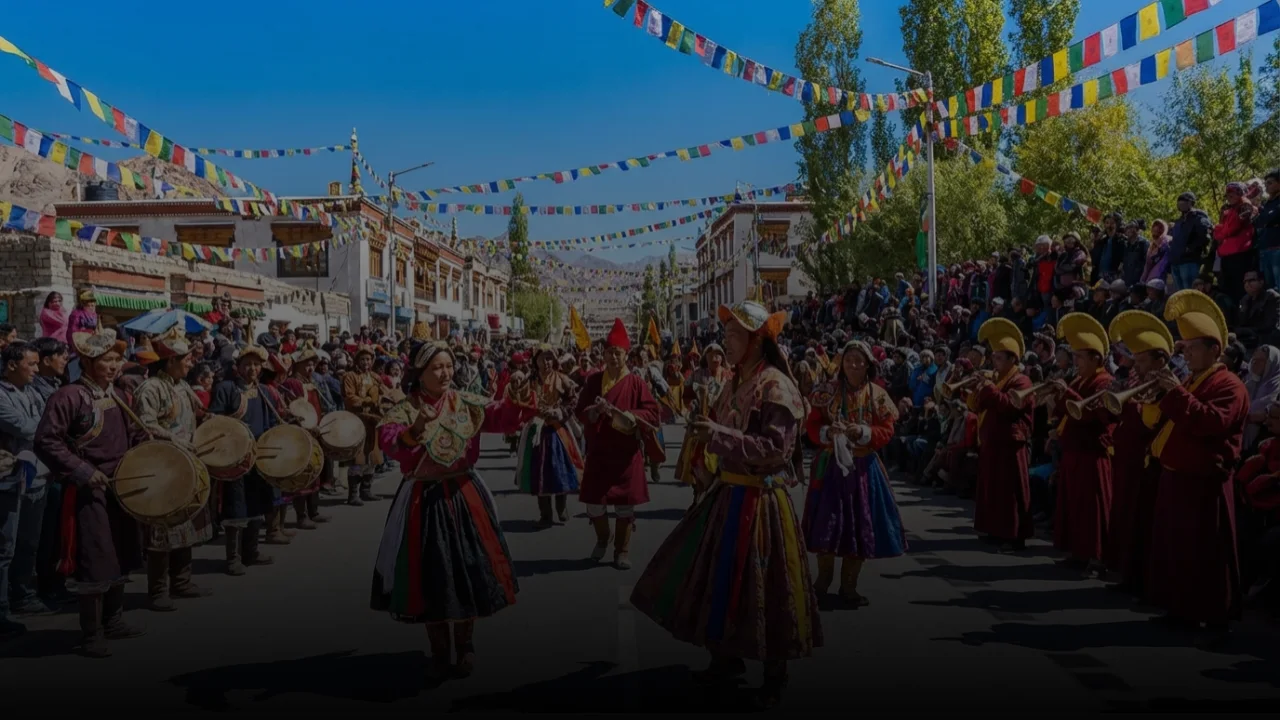

- Why This Ladakh Travel Guide is Your Compass to the Land of High Passes
- Leh Accommodation Options: Where Dreams Meet Reality in the Himalayas
- Valley Homestays: Authentic Himalayan Hospitality Beyond Urban Leh
- Mastering Leh Transport: A Reliable Guide to Navigating the Highlands
- High Altitude Safety: Essential Health Tips for a Worry-Free Expedition
- Digital Reality Check: Understanding Connectivity in the Last Shangri-La
- Securing Your Ladakh Inner Line Permit: Accessing Restricted Border Zones
- Sustainable Tourism in Leh: Responsible Highland Travel
- Cultural Wisdom: Respecting the Sacred Himalayan Way
- Seasonal Intelligence: Timing Your Highland Adventure
- Official Reference
- Related Posts
- Final Reflections: Your Transformative Highland Journey Awaits
Why This Ladakh Travel Guide is Your Compass to the Land of High Passes
Nestled majestically between the towering Karakoram and Himalayan ranges, Ladakh operates on its own mystical timeline where centuries dissolve into moments. Here, monasteries echo with chants that have remained unchanged for a thousand years, locals greet strangers with genuine warmth despite the harshest climate imaginable, and landscapes shift from lunar-like moonscapes to emerald valleys within mere kilometres.
During my inaugural visit in 2018, I made every conceivable rookie mistake—from not acclimatising properly to severely underestimating the critical importance of high altitude safety preparations. By my fifth journey, I’d uncovered hidden homestays where Ladakhi grandmothers shared butter tea alongside stories spanning generations, navigated the labyrinthine Ladakh inner line permit requirements with professional ease, and discovered which Leh accommodation options truly capture the region’s ancient soul whilst providing modern comfort.
This isn’t merely another generic travel guide regurgitating facts you can discover anywhere online. It’s a deeply personal roadmap born from altitude-induced headaches, magical sunset moments that defy description, countless conversations with fellow travellers who’ve experienced their own Ladakhi epiphanies, and the profound understanding that comes from truly living within these sacred mountains rather than simply visiting them.
Leh Accommodation Options: Where Dreams Meet Reality in the Himalayas
After testing countless hotels, traditional guesthouses, monastery guest quarters, and family homestays across five separate expeditions, I’ve discovered that your accommodation choice in Ladakh dramatically impacts every aspect of your mountain experience. From luxury retreats that cocoon you in five-star comfort whilst maintaining authentic Ladakhi character, to intimate family homestays offering genuine cultural immersion, where you sleep shapes every sunrise, every conversation, and every memory you’ll carry home.
Planning your Leh-Ladakh trip requires understanding that accommodation here transcends simple shelter—it becomes your sanctuary for acclimatisation, your social hub for meeting fellow adventurers, and often your introduction to the warmth that defines Ladakhi hospitality despite the challenging climate.
Premium Leh Accommodation Options: Where Himalayan Culture Meets Comfort
For travellers seeking premium comfort without sacrificing the authentic local character that makes Ladakh special, the town’s luxury establishments offer an extraordinary balance between contemporary amenities and traditional Ladakhi architecture. These properties understand intuitively that proper acclimatisation demands quality rest, providing heated rooms, world-class service, and cultural authenticity that proves invaluable when your body is adjusting to extreme altitude.
The Grand Dragon Ladakh remains my strongest recommendation for discerning travellers seeking five-star luxury without losing connection to local heritage. During my three-night stay in 2022, the traditional Ladakhi architecture—complete with intricately hand-carved wooden balconies and stunning panoramic mountain views—provided the perfect sanctuary after long days exploring remote monasteries and high-altitude passes. The heated rooms proved absolutely essential during an unexpected April blizzard that dropped temperatures to -15°C.
Hotel Singge Palace, with its royal heritage seamlessly blended with modern amenities, offers an experience that feels like staying in a maharaja’s mountain retreat. The rooftop restaurant, where I enjoyed countless sunrise breakfasts whilst watching the first light paint Leh Palace golden, provides unobstructed panoramic views of the surrounding peaks that change colour throughout the day.
Pro-tip from your ultimate Ladakh resource: Book these premium properties between March-May or September-October for optimal weather conditions and significantly better rates, sometimes saving 40-50% compared to peak season pricing.
Mid-Range Leh Accommodation Options: Discovering Exceptional Value
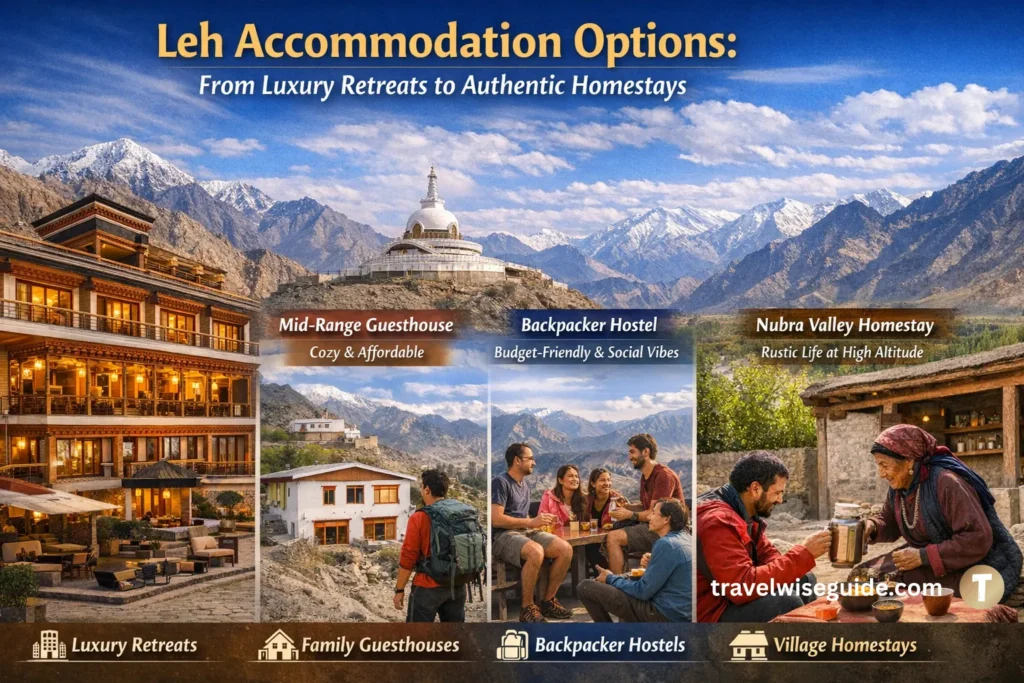
The true sweet spot for most travellers lies within Leh’s mid-range accommodation sector, where family-run establishments offer genuine warmth alongside essential modern comforts. These properties perfectly balance affordability with the personal touch that makes Ladakhi hospitality legendary, whilst implementing crucial high altitude safety protocols through experienced local management who understand mountain living intimately.
Shanti Stupa Guesthouse became my home base during an intensive two-week photography expedition documenting monastery life. The family-run establishment, positioned just below the iconic white dome that overlooks Leh Valley, offers immaculately clean rooms, reliable hot water that never fails even during power cuts, and Mrs. Dolma’s legendary momos that I genuinely still dream about months later. Their deep understanding of acclimatisation needs and high altitude safety protocols made this accommodation particularly valuable for first-time high-altitude visitors.
Hotel Ladakh Residency impressed me profoundly with its central location and surprisingly robust internet connectivity—a genuine rarity that proved invaluable for uploading daily travel photography and maintaining communication with family. This establishment serves as an excellent base for exploring various transport options whilst maintaining reliable contact with the outside world during your Ladakh adventure.
Budget-Conscious Leh Accommodation Options: Backpacker Paradise
Budget-conscious travellers needn’t compromise significantly on experience when selecting accommodation in Leh, particularly with the emergence of exceptionally well-managed hostels that foster international community whilst maintaining cleanliness standards that exceed many expensive hotels. These properties naturally become vibrant social hubs where adventure stories flow freely, travel partnerships form organically, and local insights are shared generously among like-minded explorers.
Zostel Leh completely revolutionised budget accommodation throughout the region when it opened in 2019. The thoughtfully designed communal areas buzz constantly with fellow adventurers enthusiastically sharing Ladakh bike trip essentials, detailed route recommendations, and real-time weather updates from recently visited destinations. The dormitory beds, whilst admittedly basic, provide clean comfort alongside social connections that genuinely enhanced my solo journey experience in ways luxury hotels simply cannot replicate.
The rooftop café hosts nightly gatherings where travellers share day’s adventures over traditional Ladakhi dishes, creating friendships that often extend far beyond mountain boundaries. Their knowledgeable local staff regularly share invaluable high altitude safety advice and current Ladakh taxi rates with guests, ensuring everyone departs well-informed and properly prepared.
Valley Homestays: Authentic Himalayan Hospitality Beyond Urban Leh
Stepping courageously beyond Leh’s established hotel scene opens transformative doors to authentic cultural experiences where traditional Ladakhi families welcome curious travellers into their ancestral homes with genuine warmth. These carefully selected homestays offer intimate glimpses into authentic mountain life whilst supporting local communities through direct economic impact that reaches far beyond simple accommodation revenue.
Throughout this Ladakh itinerary, I’ve discovered that homestays provide cultural immersion that five-star hotels simply cannot deliver, regardless of their luxury amenities or premium pricing structures.
Nubra Valley Homestays: Desert Dreams at Extreme Altitude
The spectacularly remote Nubra Valley offers homestay experiences that seamlessly combine profound cultural immersion with stunning high-altitude desert landscapes, where resilient families maintain traditional lifestyles despite facing some of Earth’s most challenging weather conditions. These accommodation options provide absolutely authentic interactions that luxury establishments cannot possibly replicate, whilst offering insider high altitude safety wisdom from families who’ve survived at extreme altitude for countless generations.
In Turtuk village, India’s northernmost civilian settlement positioned strategically along the Pakistan border, I spent three transformative nights with the remarkable Balti family of Mohammed Ali. Their traditional stone house, complete with flourishing apricot orchards and commanding views of the mighty Shyok River, provided an intimate window into authentic border life that tourism brochures never capture. The evening conversations over endless cups of salted butter tea, where family stories flowed as freely as chang (traditional barley beer), remain amongst my most treasured travel memories from following this guide to travelling in Ladakh.
The family’s grandmother, speaking in melodic Balti whilst gesturing toward Pakistan’s peaks visible from their courtyard, shared stories of pre-partition trade routes and family connections across political borders that reminded me how artificial human boundaries appear when viewed from mountain perspectives.
Pangong Tso Lakeside Refuge: Sleeping Beside Heaven
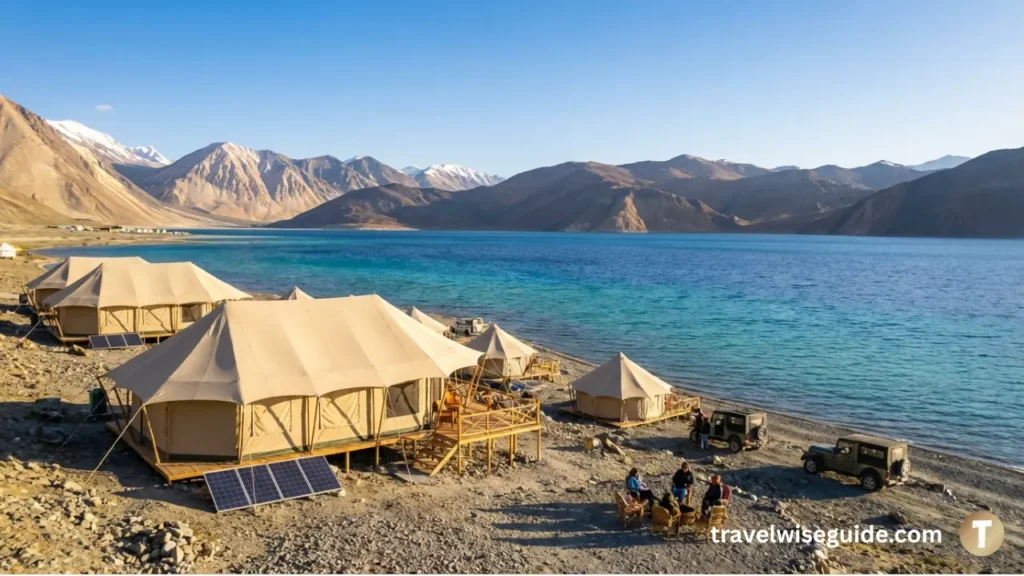
Securing quality accommodation near Pangong Tso’s world-famous blue waters demands considerable advance planning, but the utterly magical lakeside location rewards patient travellers with sunrise experiences that redefine beauty itself. Severely limited accommodation options mean early booking becomes absolutely essential, particularly during peak season when demand dramatically exceeds supply—critical planning advice for navigating the highlands successfully.
Pangong Sarai Camp offers heated luxury tents equipped with proper beds and essential amenities—absolutely crucial when nighttime temperatures regularly plummet below freezing even during summer months. I’ll eternally remember waking to frost covering my tent exterior and stepping outside to witness the lake’s mirror-like surface reflecting the morning sky in impossible shades of turquoise, azure, and silver that no photograph adequately captures.
The camp management’s extensive expertise in high altitude safety protocols ensures comfortable stays despite challenging environmental conditions that can change dramatically within hours.
Mastering Leh Transport: A Reliable Guide to Navigating the Highlands
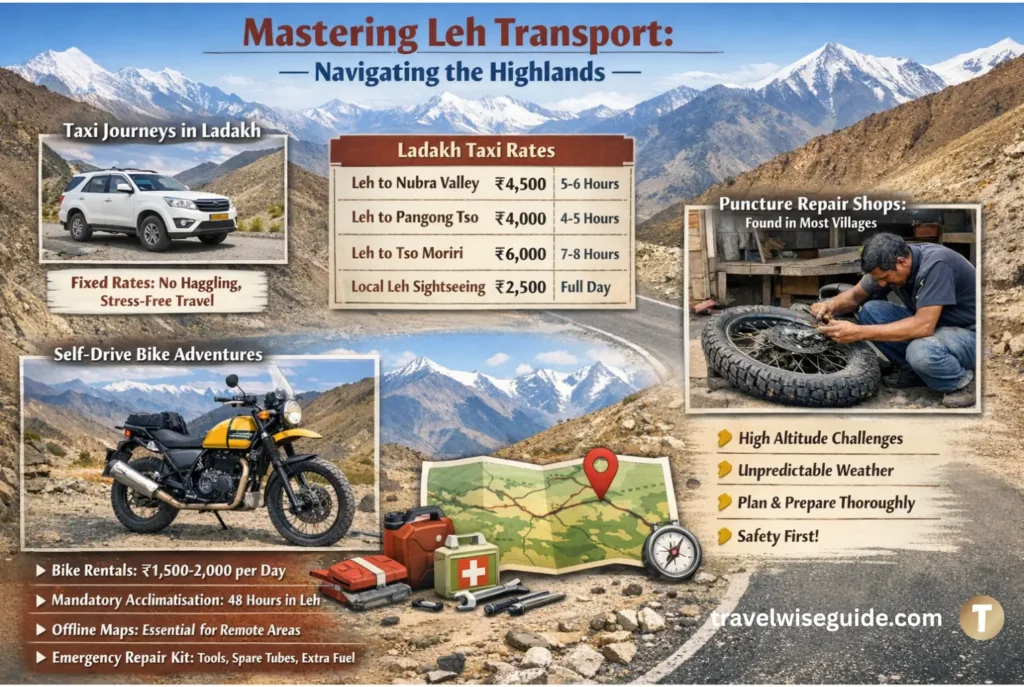
Understanding Ladakh’s intricate transport ecosystem proves absolutely crucial for realistic budget planning and maintaining itinerary flexibility, particularly when navigating the region’s notoriously challenging mountain terrain that can shift from passable to impassable within hours. After experiencing everything from luxury air-conditioned SUVs to cramped shared vehicles that test human endurance limits, I’ve learned precisely which transport options deliver optimal value for different travel styles and budget constraints.
This guide to travelling in Ladakh provides comprehensive transportation insights based on extensive personal experience across multiple seasons, weather conditions, and route variations that most visitors never encounter.
Budgeting Your Journey: Understanding Current Ladakh Taxi Rates
Government-regulated taxi services effectively eliminate stressful negotiation whilst ensuring fair pricing for both parties, but understanding the detailed rate structure empowers travellers to make truly informed decisions. These carefully implemented fixed-rate systems protect tourists from exploitation whilst ensuring local drivers receive fair compensation for navigating some of Earth’s most challenging roads—essential knowledge that every comprehensive resource must provide.
Navigating Ladakh’s transport system demands patience, flexibility, and realistic budgeting that accounts for weather delays and route changes. After experiencing numerous transportation challenges and several memorable mishaps, here’s my insider knowledge regarding current Ladakh taxi rates and reliable transport options that actually work.
Government-approved taxi services operate strictly on fixed rates, completely eliminating haggling stress whilst ensuring service quality. For a comprehensive circuit covering Nubra Valley’s desert landscapes, Pangong Tso’s pristine waters, and safe return to Leh, expect to invest ₹18,000-22,000 for a professionally guided 4-day expedition in a reliable, well-maintained SUV—rates that reflect challenging terrain, fuel costs, and driver expertise.
| Route | Distance | Current Taxi Rates | Journey Duration |
|---|---|---|---|
| Leh to Nubra Valley | 160km | ₹4,500 | 5-6 hours |
| Leh to Pangong Tso | 140km | ₹4,000 | 4-5 hours |
| Leh to Tso Moriri | 220km | ₹6,000 | 7-8 hours |
| Local Leh sightseeing | Various | ₹2,500 | Full day |
Essential tip: These Ladakh taxi rates include driver accommodation and meals during multi-day journeys, making them excellent value considering the service level and expertise provided.
Ladakh Bike Trip Essentials: Self-Drive Adventures at Extreme Altitude
Motorcycle adventures throughout Ladakh offer absolutely unparalleled freedom and intimate landscape connections impossible from vehicle windows, but demand serious preparation and profound respect for high-altitude conditions that can become life-threatening without proper planning. Self-drive journeys provide transformative experiences that create lifetime memories, though comprehensive preparation becomes essential for both safety and genuine enjoyment.
Planning your Leh-Ladakh trip on two wheels requires understanding that motorcycle rental in Leh has evolved into an increasingly popular option, though it demands serious preparation that extends far beyond basic riding skills. Royal Enfield Himalayan rentals typically cost ₹1,500-2,000 daily including basic insurance coverage, but additional safety equipment and emergency preparation represent wise investments.
Essential preparation following this ultimate Ladakh resource: • Mandatory acclimatisation in Leh for absolute minimum 48 hours before attempting any high-altitude passes • Emergency repair kit including spare tubes, basic tools, and emergency fuel supplies for remote areas • Downloaded offline maps since network connectivity disappears frequently in mountain passes and valleys • Detailed route information shared with accommodation staff, local contacts, or fellow travellers
During my extensive motorcycle research for this comprehensive guide, I discovered that puncture repair shops exist in most villages, but carrying a well-equipped toolkit proved absolutely essential when I encountered a severe flat tyre 40 kilometres from the nearest settlement during a sudden weather change.
High Altitude Safety: Essential Health Tips for a Worry-Free Expedition
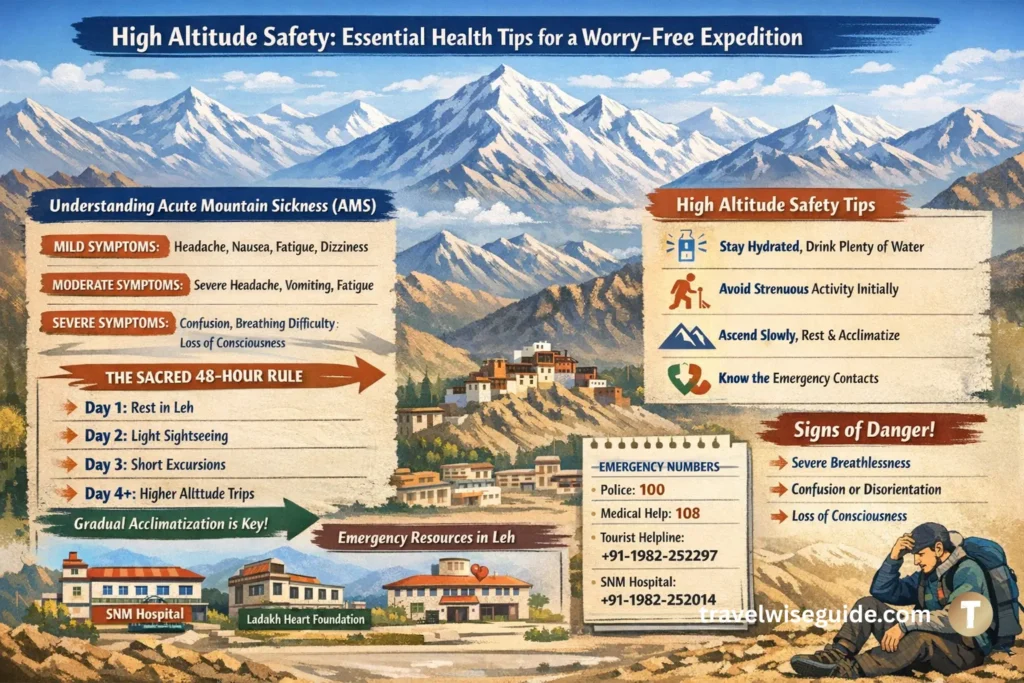
Altitude-related health risks represent the single most serious concern facing Ladakh travellers, demanding immediate respect and attention from the precise moment you disembark at Leh airport. Understanding and properly respecting these potentially life-threatening physiological challenges transforms dangerous situations into manageable health considerations that enhance rather than threaten your extraordinary mountain adventure.
Your ultimate Ladakh resource prioritises safety above all other considerations because mountain emergencies can escalate rapidly in remote locations where immediate medical assistance may be hours or days away.
Understanding Acute Mountain Sickness: Critical High Altitude Safety Protocols
The dramatic altitude change from sea level to Leh’s breathtaking 11,500-foot elevation affects every visitor differently, making personal awareness and gradual acclimatisation absolutely non-negotiable safety practices. Recognising early warning signs and responding appropriately often means the difference between a magical, transformative journey and a genuine medical emergency requiring immediate evacuation—knowledge that separates prepared travellers from unfortunate statistics.
High altitude safety protocols aren’t optional suggestions in Ladakh—they represent survival essentials. At Leh’s extreme elevation, available oxygen levels drop dramatically to just 68% of sea-level concentrations, forcing your cardiovascular system to work significantly harder whilst your body struggles to adapt to reduced atmospheric pressure.
Recognising AMS symptoms throughout this Ladakh itinerary: • Mild symptoms: Persistent headache, nausea, fatigue, dizziness, sleep disturbance • Moderate symptoms: Severe headache, vomiting, significant fatigue, loss of coordination • Severe symptoms: Confusion, difficulty breathing at rest, loss of consciousness
The Sacred 48-Hour Rule: Fundamental High Altitude Safety Protocol
Intelligent travellers consistently resist the overwhelming temptation to immediately explore high-altitude destinations, instead religiously following proven acclimatisation schedules that allow their bodies to adjust gradually and safely. This patience-demanding approach prevents serious altitude sickness whilst ensuring you can fully appreciate Ladakh’s most spectacular high-altitude destinations when properly prepared.
Upon arriving in Leh, absolutely resist exploring high-altitude destinations immediately. Your high altitude safety acclimatisation schedule should include:
Day 1: Complete rest at chosen accommodation, gentle walks around Leh’s market areas only Day 2: Local sightseeing (Shanti Stupa, Leh Palace) with frequent rest breaks and hydration Day 3: Short excursions to nearby attractions like Magnetic Hill or ancient Alchi Monastery Day 4+: Confidently venture to higher altitudes including Khardung La Pass or Nubra Valley
Medical Infrastructure: Emergency High Altitude Safety Resources
Understanding exactly where to seek professional medical assistance and which emergency numbers to contact during altitude-related crises provides crucial peace of mind for high-altitude adventures. Leh’s medical infrastructure, whilst understandably limited compared to major metropolitan cities, offers specialised altitude sickness treatment that can prove genuinely lifesaving during serious medical situations.
SNM Hospital Leh provides comprehensive 24-hour emergency services with medical staff extensively trained in altitude-related illness treatment. Private medical facilities like Ladakh Heart Foundation offer specialised high-altitude medical care with modern equipment and experienced physicians.
Critical emergency contacts for your ultimate Ladakh resource: • Police Emergency: 100 • Medical Emergency: 108
• Tourist Helpline: +91-1982-252297 • SNM Hospital: +91-1982-252014
Digital Reality Check: Understanding Connectivity in the Last Shangri-La
Digital connectivity throughout Ladakh operates according to ancient mountain logic rather than modern metropolitan expectations, where formidable geographical challenges and infrastructure limitations create communication realities demanding patience, flexibility, and realistic expectations. Understanding these technological limitations helps travellers adjust expectations whilst embracing the surprisingly therapeutic benefits of reduced connectivity that urban life rarely provides.
Navigating the highlands means accepting that constant communication represents luxury rather than necessity, opening opportunities for genuine digital detox experiences that prove surprisingly refreshing for perpetually connected modern lives.
Network Infrastructure: The Honest Truth About Highland Connectivity
Accepting Ladakh’s communication limitations transforms potential frustrations into valuable opportunities for authentic digital detox and present-moment awareness that busy modern lives rarely permit. The region’s connectivity challenges, whilst occasionally inconvenient for business requirements, offer precious chances to disconnect from relentless digital demands and reconnect with natural rhythms that govern mountain life.
BSNL provides the most reliable network coverage throughout Ladakh, reaching even remote areas like Turtuk village and astronomical observatory locations near Hanle. During genuine emergencies, BSNL often remains your only communication lifeline, making it essential for safety-conscious travellers following proper high altitude safety protocols.
Airtel and Jio networks function adequately within central Leh and major accommodation areas, but signal strength drops dramatically in high-altitude passes and remote valleys where network towers cannot economically operate. Most quality accommodation establishments advertise WiFi availability, though connection speeds rarely exceed basic browsing capabilities during peak usage hours.
Internet Cafes: When Connection Becomes Critical
Several internet cafes throughout Leh’s main bazaar area provide significantly improved connectivity for important uploads, video calls, or urgent business communications, typically charging ₹50-100 per hour depending on connection quality and usage duration. Many accommodation properties near the central market area offer enhanced connectivity due to proximity to primary communication infrastructure.
Digital wisdom from this guide to travelling in Ladakh: Plan communication needs around connectivity availability rather than expecting constant access, and inform family/colleagues about realistic communication schedules before departure.
Securing Your Ladakh Inner Line Permit: Accessing Restricted Border Zones
Navigating Ladakh’s complex permit requirements demands advance planning and meticulous attention to documentation details, particularly for accessing strategically sensitive border areas near Pakistan and China where national security concerns create necessary bureaucratic procedures. Understanding these administrative necessities prevents last-minute complications that could completely derail carefully planned itineraries and expensive accommodation bookings.
Planning your Leh-Ladakh trip requires recognising that certain destinations operate under special security protocols that protect both visitors and local communities whilst maintaining regional stability in politically sensitive border areas.
Inner Line Permits: Your Gateway to Restricted Himalayan Regions
Strategic border locations require special documentation demonstrating government oversight whilst ensuring tourist safety in sensitive regions where international tensions occasionally surface. These permit requirements, whilst sometimes frustrating for spontaneous travellers, protect both visitors and local communities whilst maintaining essential security in politically complex border zones that require careful management.
Permit-required destinations throughout this Ladakh itinerary: • Nubra Valley (including Diskit, Hundar, and Turtuk villages) • Pangong Tso (the famous high-altitude lake) • Tso Moriri (pristine alpine lake sanctuary)
• Dah-Hanu region (traditional Aryan valley communities)
Current Ladakh inner line permit fees: ₹500 for Indian nationals, significantly higher rates for foreign passport holders. Processing typically requires 24-48 hours in Leh, though busy tourist seasons may extend processing times considerably, making early application absolutely essential.
Administrative wisdom from your ultimate Ladakh resource: Apply for all necessary permits immediately upon arrival in Leh to avoid last-minute complications that could affect transportation bookings and accommodation reservations.
Sustainable Tourism in Leh: Responsible Highland Travel
Ladakh’s extraordinarily fragile high-altitude ecosystem demands conscious travel choices that carefully balance tourism benefits with critical environmental protection, particularly as annual visitor numbers continue increasing steadily each year. Responsible tourism practices ensure future generations can experience Ladakh’s pristine beauty whilst meaningfully supporting local communities who depend entirely on tourism income for economic survival.
Your ultimate Ladakh resource promotes sustainable travel practices that enhance rather than diminish this sacred landscape’s natural and cultural integrity through practical recommendations that every conscientious traveller can easily implement.
Plastic-Free Ladakh: Revolutionary Environmental Initiative
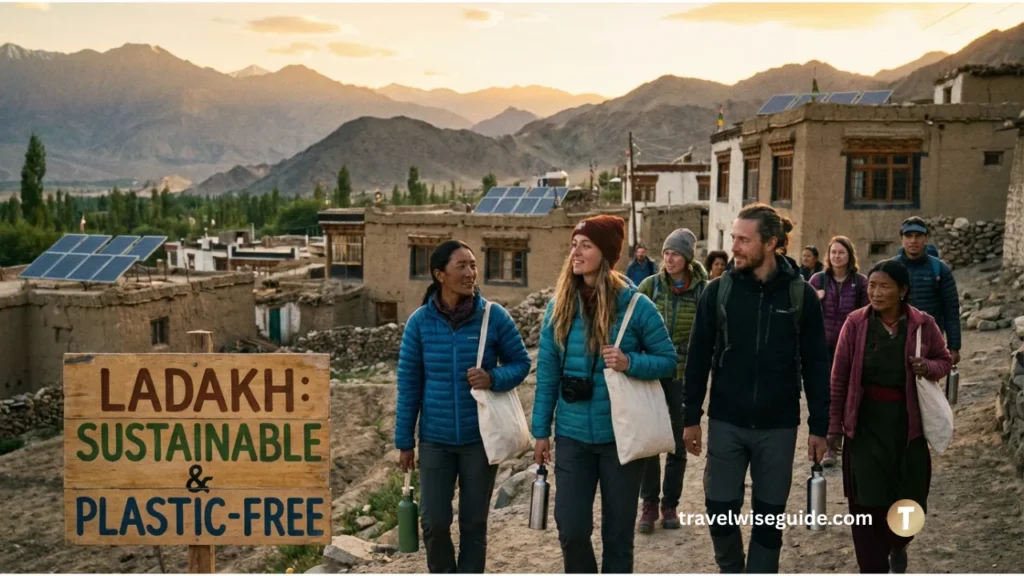
The groundbreaking Plastic-Free Ladakh campaign represents an inspiring community-driven response to growing environmental challenges, demonstrating precisely how responsible tourism can actively support rather than undermine critical ecological preservation efforts. Participating meaningfully in these vital initiatives allows conscious travellers to contribute positively whilst experiencing authentic cultural engagement that extends far beyond superficial tourist interactions.
Your sustainable action plan following this guide to travelling in Ladakh: • Reusable water bottles for mountain spring refills that taste infinitely better than plastic • Biodegradable toiletries for high-altitude camping and homestay experiences • Local accommodation choices supporting community economies rather than external corporations • Shared transport options reducing individual carbon footprint whilst meeting fellow travellers
Supporting Highland Communities: Economic Impact Through Conscious Choices
Every purchasing decision represents a meaningful opportunity to support resilient mountain communities facing economic uncertainty from climate change impacts and fluctuating tourism patterns that affect family incomes directly. Choosing locally-owned businesses, traditional craftspeople, and community-based services creates immediate economic benefits whilst preserving traditional knowledge and cultural practices that define authentic Ladakhi identity.
Impactful purchases recommended throughout this Ladakh itinerary: • Handwoven textiles from the renowned Women’s Alliance of Ladakh cooperative • Organic apricot products directly from Nubra Valley farming families • Traditional thangka paintings from monastery-trained local artists • Barley-based products supporting sustainable high-altitude agriculture
Cultural Wisdom: Respecting the Sacred Himalayan Way
Ladakh’s extraordinarily rich Buddhist heritage demands genuine cultural sensitivity and respectful behaviour, particularly when visiting active sacred sites where local monastic communities maintain centuries-old spiritual practices that predate tourism by many lifetimes. Understanding and consistently following cultural protocols significantly enriches travel experiences whilst demonstrating profound respect for living traditions that connect directly with ancient wisdom.
Navigating the highlands respectfully means recognising that you’re entering sacred space where spiritual practice continues uninterrupted regardless of tourist presence or photography desires.
Monastery Etiquette: Sacred Space Protocol
Buddhist monasteries throughout Ladakh function as vibrant spiritual centres rather than static tourist attractions, requiring visitors to modify behaviour and expectations accordingly for mutual respect. Proper monastery etiquette ensures continued access to these sacred spaces whilst supporting monastic communities who graciously share their spiritual heritage with respectful visitors seeking authentic cultural connection.
Essential monastery guidelines from your ultimate Ladakh resource: • Remove footwear before entering prayer halls and shrine rooms • Walk clockwise around stupas, prayer wheels, and monastery compounds • Photography permissions often require specific approval and modest fees • Maintain respectful silence during prayer sessions and meditation periods • Dress modestly covering shoulders, arms, and legs appropriately
Language Connections: Essential Ladakhi Communication
Learning basic Ladakhi phrases demonstrates genuine cultural respect whilst facilitating meaningful connections with local communities who deeply appreciate visitor efforts to communicate using their ancestral language. These simple expressions open doors to authentic interactions that transcend typical tourist-local dynamics, creating friendships that often extend far beyond mountain boundaries.
| English | Ladakhi | Pronunciation Guide |
|---|---|---|
| Hello/Goodbye | Julley | JOO-lay |
| Thank you | Che rangs | CHEY-rang |
| How much? | Chhagpo ga re? | CHAG-po ga ray |
| Water | Chu | CHOO |
| Beautiful | Mdzes po | DAY-po |
| Mountain | Ri | REE |
| Monastery | Gompa | GOM-pa |
Seasonal Intelligence: Timing Your Highland Adventure
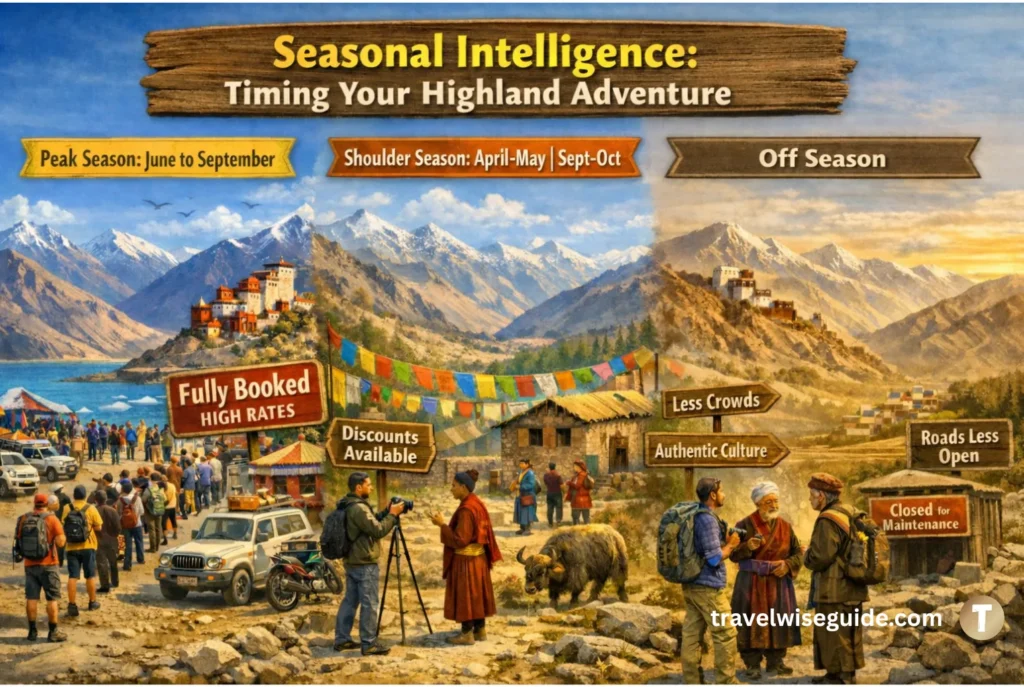
Understanding Ladakh’s dramatic seasonal variations empowers travellers to choose optimal timing based on specific interests, physical capabilities, and tolerance levels for challenging conditions. Each distinct season offers unique advantages and inherent challenges, from summer’s maximum accessibility to winter’s stark, otherworldly beauty that tests human limits whilst rewarding brave visitors with unforgettable experiences.
Planning your Leh-Ladakh trip requires recognising that seasonal timing dramatically affects accommodation availability, transport options, weather conditions, and overall experience quality in ways that significantly impact trip success.
Peak Season Strategy: Summer Highland Planning
June through September represents peak tourist season when all accommodation establishments operate at full capacity, transport services offer maximum route availability, and weather conditions provide optimal accessibility to high-altitude destinations. However, advance reservations become absolutely essential, pricing reaches annual peaks, and popular destinations experience significant overcrowding that can diminish authentic cultural interactions.
Summer months allow access to spectacular high-altitude destinations that remain completely inaccessible during other seasons, making this period ideal for comprehensive exploration covering multiple regions and diverse landscapes within a single journey.
Shoulder Season Wisdom: Strategic Timing Advantages
April-May and September-October offer compelling advantages for experienced travellers willing to accept some limitations in accommodation availability and transport flexibility. Weather remains generally pleasant for outdoor activities, tourist crowds diminish significantly allowing authentic cultural interactions, and pricing drops considerably—benefits that savvy travellers can leverage effectively.
Seasonal advice from this guide to travelling in Ladakh: Shoulder seasons require flexibility in planning as some establishments close for maintenance, but offer superior cultural immersion and photographic opportunities without tourist crowds.
Official Reference
- 1.Leh District Administration – Cultural & Tourism Wing
- Web Link: https://leh.nic.in/tourism/
- Key Information: Detailed monastery circuits, official festival calendars, sacred site etiquette, historical landmark context, and traditional lifestyle insights.
- 2.Incredible India: Explore Ladakh
- Web Link: https://www.incredibleindia.org/content/incredible-india-v2/en/destinations/ladakh.html
- Key Information: Himalayan cuisine and rare flavours, authentic handicraft guides (Pashmina and Thangkas), sustainable tourism initiatives, and curated Trans-Himalayan itineraries.
Related Posts
- 1.Don’t Visit India Without Reading This: The Ultimate India Travel Guide (2026)
- https://travelwiseguide.com/india-travel-guide-for-first-timer-travellers/
- Whatever a tourist can think ,want to know, every aspect of tourism in India, every type of tourism in India , every angle of tourism of India , not a blog , an epic of Indian Tourism
- Mawlynnong Village Meghalaya – The Ultimate Guide to the Cleanest Village in Asia
- https://travelwiseguide.com/mawlynnong-village-meghalaya/
- Learn about Mawlynnong village of Meghalaya how do they maintain the cleanliness ,there social & economy of the village
Final Reflections: Your Transformative Highland Journey Awaits
As I conclude this comprehensive Ladakh travel guide, snow-capped peaks from my fifth Himalayan expedition remain eternally etched in memory alongside the profound silence of high-altitude meditation that transforms perspectives in ways no other travel experience quite achieves. This ultimate Ladakh resource represents far more than mere logistical information—it’s a heartfelt invitation to personal transformation through conscious travel that respects both natural environments and cultural traditions.
Whether you’re researching accommodation options that perfectly match your travel style and budget constraints, planning around transport schedules and pricing realities, memorising essential high altitude safety protocols for mountain survival, understanding Ladakh inner line permit requirements for restricted areas, preparing comprehensive Ladakh bike trip essentials for self-drive adventures, calculating realistic Ladakh taxi rates for guided exploration, implementing sustainable tourism in Leh practices, or adjusting expectations for connectivity limitations, this guide provides the comprehensive foundation for an extraordinary Himalayan adventure that transcends ordinary tourism.
Pack thoughtfully, travel mindfully, and prepare your spirit for a journey that extends infinitely beyond mere geographical boundaries. The sacred Land of High Passes awaits—not simply to reveal its breathtaking secrets, but to unveil aspects of yourself that only emerge when surrounded by such profound natural beauty and ancient wisdom.
Throughout this Ladakh itinerary, remember that every moment offers opportunities for transformation, every interaction teaches valuable lessons, and every sunrise brings possibilities for deeper understanding of both external landscapes and internal discoveries that travelling conscious creates.
Julley and safe, transformative travels