🌍How to Travel Between Major Cities in India:CompleteTrain, Flight & Bus Guide
India is a country of immense distances, diverse landscapes, and fast-growing cities, so understanding how to travel between cities in India becomes one of the most important parts of planning your trip. For first-time travellers, the transport choices can feel overwhelming, but once you see how the system works, you realise that the country is far more connected and easier to navigate than it appears.
After all, how do you decide the best way to move across such a huge and diverse country?
If you want a broader foundation before diving into the transport details, you can explore my full India Travel Guide for First-Time Travellers, which covers visas, budgets, safety notes, and essential planning advice.
From high-speed trains and modern domestic flights to comfortable long-distance buses, India offers several reliable ways to travel between major cities, each with its own strengths. The key is choosing the option that suits your time, comfort level, and budget.
And isn’t it reassuring to know that you can choose the travel style that matches your pace?
This guide breaks down all the major inter-city travel options, compares them clearly, and shares practical tips to help foreign visitors plan their journeys with confidence and without confusion.
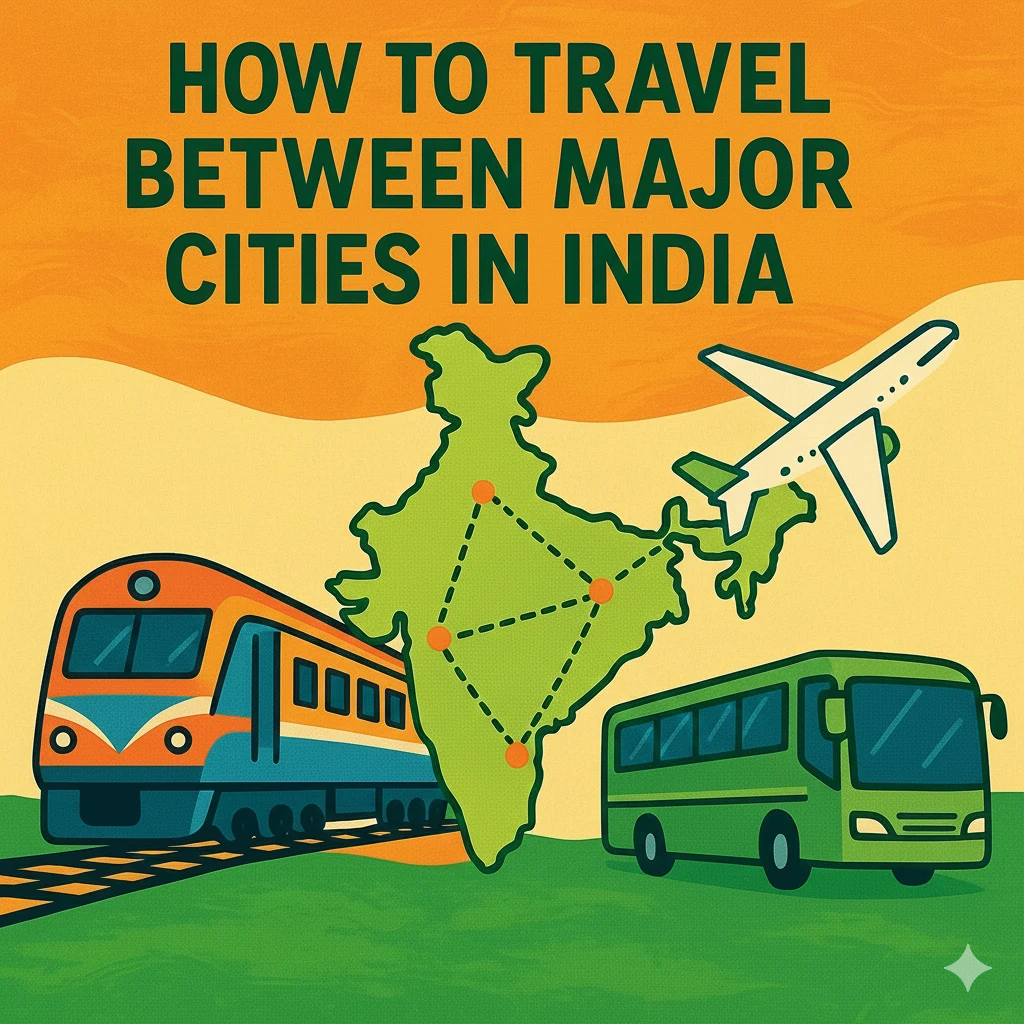
- 🌍How to Travel Between Major Cities in India:CompleteTrain, Flight & Bus Guide
- ⭐ Transportation Guide For First – Time Travellers to India
- 🚆 How to Travel Between Major Cities in India by Train
- ✈️ How to Travel Between Major Cities in India by Flight
- 🚌 How to Travel Between Major Cities in India by Bus
- 🔍 Comparison Guide: Best Way to Travel in India
- 🔑 Essential Travel Tips for Foreign Visitors
- 🏆 Final Summary
⭐ Transportation Guide For First – Time Travellers to India
India is a vast country, and understanding how to move from one region to another can make your journey smoother and far more enjoyable. Distances between major cities can be long, but the country offers multiple transport systems that are reliable, economical, and surprisingly modern in many corridors.
If you are visiting India for the first time, the key is to choose your mode of travel according to distance, comfort level, and how quickly you want to reach the next destination. India’s transport ecosystem is diverse, ranging from high-speed trains to budget buses and a rapidly growing network of domestic flights.
In this guide, you’ll learn the strengths and weaknesses of each mode, realistic expectations, and practical tips that help foreign travellers plan without confusion.
🚆 How to Travel Between Major Cities in India by Train
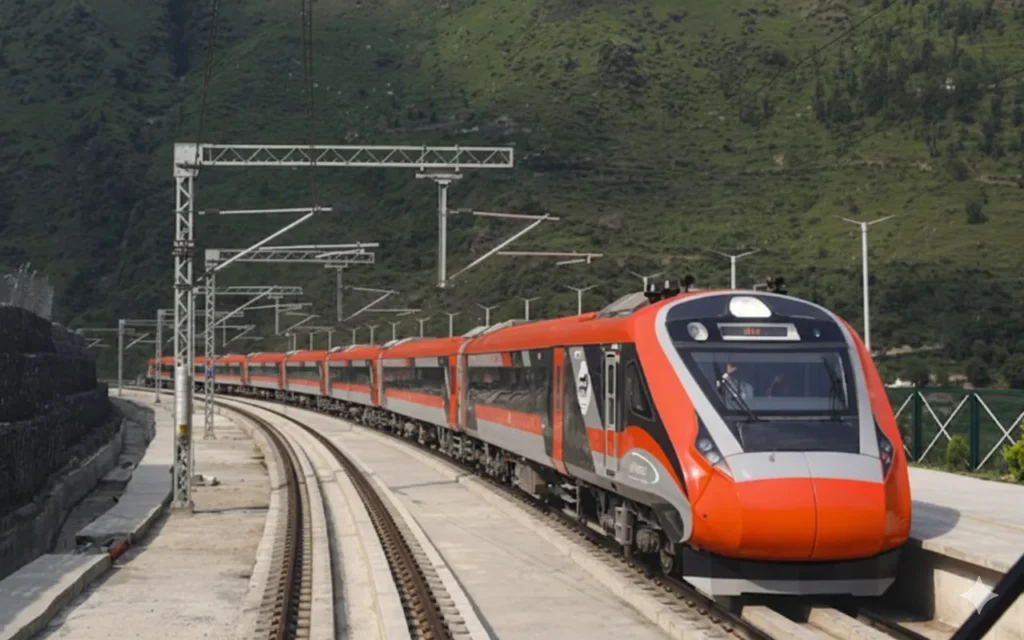
Travelling by train is one of the most authentic ways to see India. The Indian Railways network is one of the largest in the world, connecting almost every major city.
Long-distance trains range from slow passenger services to premium high-speed categories like Vande Bharat Express and Rajdhani Express. These trains offer reserved seating, air-conditioning options, and predictable schedules.
Why travellers prefer trains:
- Affordable compared to flights
- Comfortable for medium to long distances
- Scenic routes through countryside, mountains, and coasts
- Overnight journeys help save on accommodation
Most useful classes for foreign visitors:
- AC Chair Car (CC): Comfortable day travel with reserved seats
- AC 2-Tier (2A): Ideal for overnight journeys, provides privacy
- AC 3-Tier (3A): Budget-friendly sleeping option
- Executive Chair Car (EC): Premium seats on fast trains like Vande Bharat
Booking tips:
- Use official IRCTC website or authorised agents
- During festivals and holidays, book early
- Keep passport details handy for verification
✈️ How to Travel Between Major Cities in India by Flight
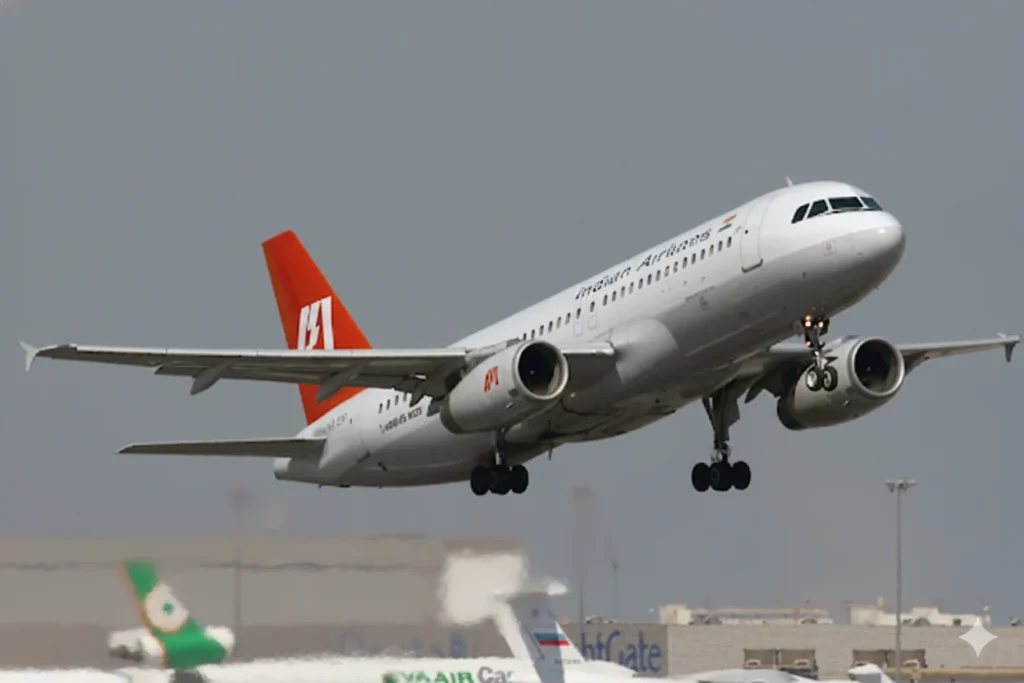
Domestic flights are the fastest way to cover large distances in India. With more than 20 major airports and dozens of regional ones, you can fly between most cities within 1–2 hours. If your itinerary is tight, flights save a significant amount of time.
When distances stretch over a thousand kilometres, why not save time and simply fly?
Advantages of flying:
- Saves time, especially for distances above 600–700 km
- Modern airports with international-style facilities
- Multiple airlines offering competitive fares
- Useful for connecting hill states and remote regions
Popular airlines:
- IndiGo
- Air India
- Vistara
- Akasa Air
Practical tips:
- Domestic flights allow only limited cabin baggage
- Arrive at least 2 hours earlier at major airports
- Check for surge pricing during peak seasons
🚌 How to Travel Between Major Cities in India by Bus
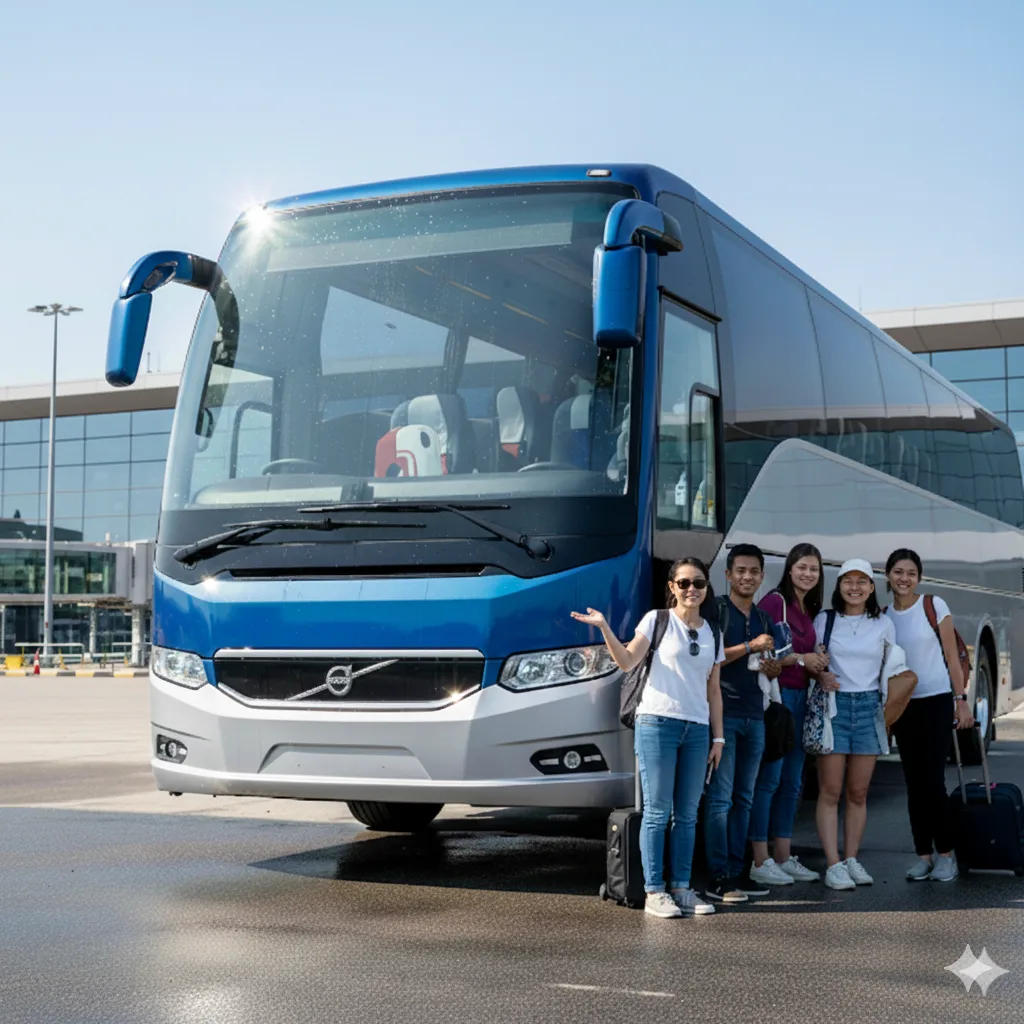
Buses are the most economical way to travel between cities, especially for medium distances. India has both government-run and private bus networks operating day and night.
While buses may not match the comfort of trains or flights, they are extremely useful when routes do not have direct train services.
Types of buses:
- Volvo/Scania AC Coaches: Comfortable for long distances
- Sleeper Buses (AC/Non-AC): Allow you to lie flat during overnight journeys
- Government Buses: Cheaper but more basic
Why choose buses:
- Frequent departures
- Direct connectivity to many towns
- Flexible last-minute booking options
Best scenarios for bus travel:
- Hill stations like Manali, Dharamshala, Munnar
- Short routes: Delhi–Jaipur, Mumbai–Pune, Bangalore–Mysore
- When trains are fully booked and flights are expensive
Buses offer practicality, especially for routes where railways are limited..
🔍 Comparison Guide: Best Way to Travel in India
Choosing the best travel mode depends entirely on what you value most — time, budget, or comfort.
For the fastest travel:
Flights win easily, especially when covering long distances.
For the best value for money:
Trains offer comfort, reliability, and affordability.
For last-minute plans:
Buses are the most flexible and easiest to book quickly.
For scenic journeys:
Trains and hill-route buses offer breathtaking landscapes.
For overall travel experience:
Trains provide a balanced mix of cultural insight and comfort.
Ideal choices by distance:
- Under 300 km: Bus or train
- 300–700 km: Train
- Above 700 km: Flight
This framework helps first-time travellers plan their route with clarity.
🔑 Essential Travel Tips for Foreign Visitors
Travelling in India becomes much easier when you understand local systems and basic cultural patterns. Small practical tips can make your journey stress-free.
Useful reminders:
- Always buy tickets from official portals such as IRCTC or airline websites.
- Keep digital copies of your passport, visa, and hotel bookings.
- For trains and buses, reach the station or stop early to recognise platforms.
- India’s climate varies sharply; keep weather-appropriate clothing.
- If you need help, station staff and airline personnel are generally supportive.
- Stick to bottled water and avoid raw ice during inter-city travel.
- Use maps, official apps, and verified taxi services for safety.
Following these essentials ensures you travel confidently across the country.
🏆 Final Summary
India offers a wide range of transport choices, each suited to different budget and travel styles.If you’d like a broader overview of planning your entire India journey, including visas, essential tips, and a ready 20-day route, you can explore my complete guide here.India Travel Guide for First-Time Travellers Flights help you cover big distances swiftly, trains let you experience India in a comfortable and affordable way, and buses fill the gaps by linking towns and hill regions efficiently.
For first-time travellers, the best approach is to mix these options based on distance, time, and convenience. With the right planning and basic precautions, moving between Indian cities becomes straightforward and enjoyable.
Official References
Ministry of Tourism – Incredible India
State-wise travel advisories, city guides, cultural heritage details.
🔗 https://www.incredibleindia.org
IRCTC – Indian Railways Catering & Tourism Corporation
Official train booking, class descriptions, route availability, dynamic pricing.
🔗 https://www.irctc.co.in
Airports Authority of India (AAI)
Airport lists, Flight operations, Facilities and connectivity.
Related Posts
1️⃣Golden Triangle India: Perfect 7-Day Itinerary
To explore step -by-step route for Delhi–Agra–Jaipur, timings & entry fees.
👉 Read Guide → https://travelwiseguide.com/golden-triangle-india-7-day-itinerary/
2️⃣ Taj Mahal Architecture -Secrets of The Monument of Love, Complete Guide
Know everything – Hidden facts, architectural dimentions , myths which are still hidden .
👉 Read Guide →https://travelwiseguide.com/taj-mahal-architecture-history-design/
3️⃣Varanasi Travel Guide 2025 — Ghats, Ganga Aarti & 3-Day Itinerary
Real ancient importance of varanasi ,arti timings, place of best view of arti , what to eat , all important numbers.
👉 Read Guide →https://travelwiseguide.com/varanasi-travel-guide-2025/
Are India’s domestic airlines foreign-card friendly?
Which train class gives “hotel-level” comfort?
AC First Class (1A)—private 2- or 4-bed lockable cabin, bedding included, western toilets at end of coach. Next best is AC 2-Tier (2A)—open bays but still clean curtains & charging plugs. Skip Sleeper (SL) for overnight journeys unless you’re on a backpacker budget
Do I really need to book trains weeks ahead?
For AC-1, AC-2, Vande Bharat & any weekend/holiday travel—absolutely. Tourist-quota seats (set aside for foreigners) can rescue you 24 h before, but only at major stations like Delhi, Mumbai, Chennai. Use 12Go Asia or Cleartrip if IRCTC registration feels messy
Do Indian trains provide food on long routes?
es. Many long-distance trains have pantry cars, and food is served directly to your berth. You can also pre-order meals on the IRCTC eCatering app, choosing from restaurants at your selected station.
What are the luggage rules for buses, trains, and flights in India?
Flights: 15–20 kg check-in + 7 kg cabin (varies by airline)
Trains: Very flexible with luggage; no strict weight limit
Buses: Usually allow 10–15 kg per passenger, stored in the luggage compartment
Do Indian trains have Western-style toilets?
Yes. All AC classes (1A, 2A, 3A) provide Western-style toilets along with Indian-style ones. They are cleaner, especially at the beginning of the journey.
Can foreigners book Indian trains without an Indian mobile number?
Yes. Foreign tourists can register on IRCTC using an international phone number, and verification happens via email. They can also use the Foreign Tourist Quota for priority booking.
What is the best way to travel between cities in India for first-time visitors?
The best way depends on distance and time. For long routes, flights are the quickest. Medium distances are ideal for trains, especially AC classes. Buses work well when trains are full or when you need direct connectivity to smaller towns.