Central India Travel Guide: The Best 7–10 Day Itinerary for 2026
Last Updated on
9 AUG 2026
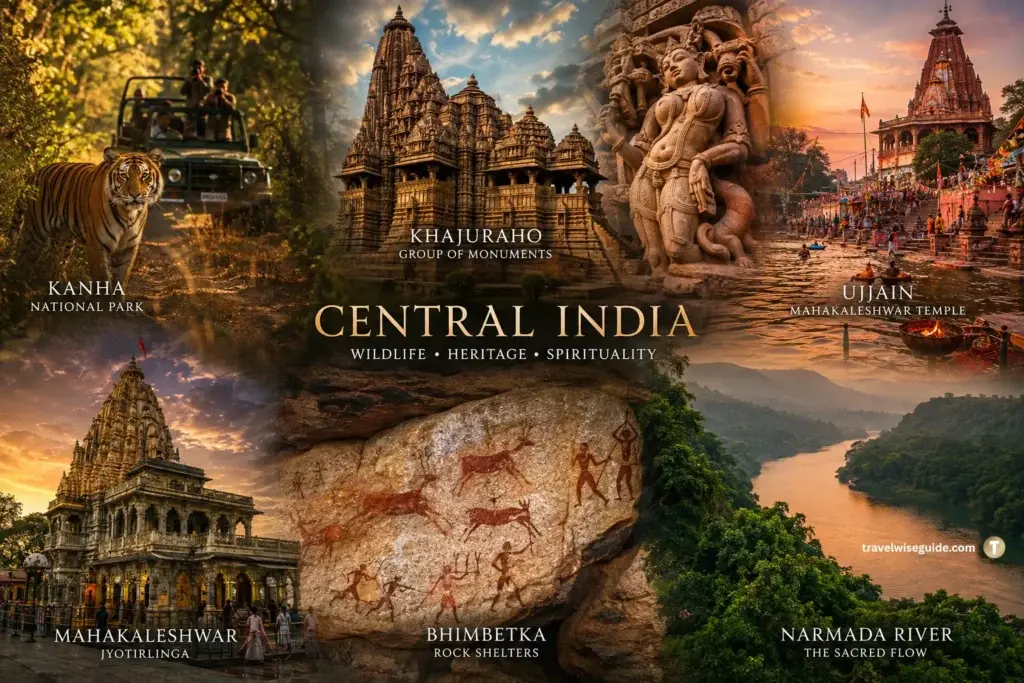
Between the golden deserts of western India and the lush hills of the east lies the country’s quiet heart—a region where dense forests shelter majestic tigers, ancient temples preserve timeless artistry, and sacred rivers carry centuries of devotion. Central India is not a place you simply visit; it is a place you experience through every sunrise safari, temple bell, and winding forest trail.
Whether you dream of watching a Royal Bengal Tiger emerge from the morning mist in Kanha, admiring the intricate sculptures of Khajuraho, seeking blessings at the sacred Mahakaleshwar Temple in Ujjain, or exploring prehistoric cave paintings older than recorded history, Central India offers a journey unlike anywhere else in the country.
This guide brings together the region’s finest wildlife reserves, UNESCO World Heritage Sites, spiritual destinations, and hidden heritage towns, helping you plan the perfect 7 to 10-day Central India itinerary.
- Why Visit Central India?
- What Makes Central India Special?
- Khajuraho, Madhya Pradesh – Temples That Breathe Art
- Bandhavgarh National Park – Realm of the Tiger
- Kanha National Park – The Living Heart of The Jungle Book
- Wildlife Safari Experience in Central India
- Sanchi Stupa – The Peaceful Soul of Buddhism
- Ujjain – The Eternal City of Mahakal
- Gwalior – A Symphony Carved in Stone
- Bhopal & Bhimbetka – Where Lakes Meet Prehistoric Art
- Orchha – A Forgotten Kingdom Beside the Betwa
- The Heart of India’s Rare Landscapes: Nature’s Finest Geological Wonders
- Bhedaghat Marble Rocks – The Narmada’s Timeless Masterpiece
- Suggested 4-Day Heritage Trail
- Best Time to Visit Central India
- Festivals That Bring Central India to Life
- Practical Travel Tips for Central India
- Why Central India Deserves a Place on Your Travel List
- Suggested 7-Day Central India Itinerary
- Perfect 10-Day Central India Itinerary
- Estimated Travel Budget
- How to Reach Central India
- Essential Travel Tip
- FAQs About Central India Travel Guide
- Conclusion: Discover the Soul of Central India
Why Visit Central India?
Quick Answer
Central India is best known for its world-famous tiger reserves, UNESCO World Heritage monuments, ancient temples, Buddhist heritage, prehistoric caves, peaceful rivers, and authentic cultural experiences. It is one of India’s finest destinations for travellers seeking wildlife, history, spirituality, and fewer crowds than the country’s more famous tourist circuits.
What Makes Central India Special?
Unlike destinations that focus on only one type of travel, Central India combines several remarkable experiences into a single journey.
Here you can:
- Track Royal Bengal Tigers through dense sal forests.
- Explore temples that have stood for over a thousand years.
- Walk among prehistoric rock shelters where early humans painted their stories.
- Attend evening river ceremonies filled with devotional chants.
- Visit medieval forts, royal palaces, and forgotten heritage towns.
- Experience authentic local traditions away from heavily commercialised tourist routes.
Every destination feels connected by a common thread—history and nature living side by side.
Khajuraho, Madhya Pradesh – Temples That Breathe Art
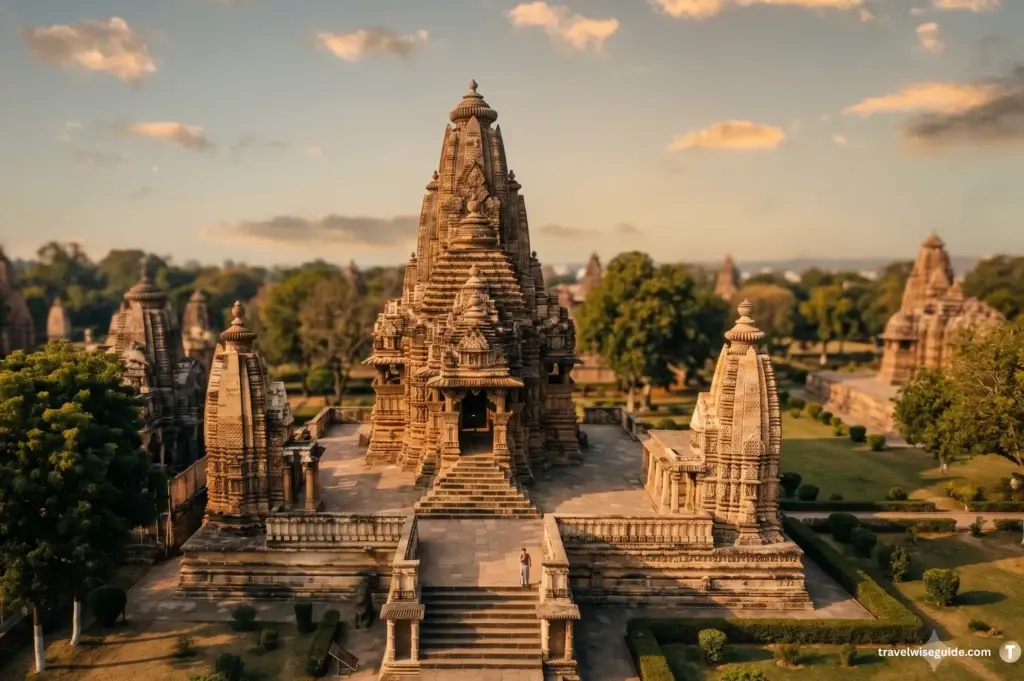
Few places in the world celebrate artistic expression quite like Khajuraho Group of Monuments.
Built by the Chandela dynasty between the 10th and 12th centuries, these magnificent temples are recognised as one of India’s greatest architectural achievements. Every wall tells a story through remarkably detailed carvings depicting gods, celestial dancers, musicians, daily life, mythology, and the many emotions that shape human existence.
Although Khajuraho is often associated with its famous sculptures, only a small portion of the artwork represents romantic themes. The overwhelming majority celebrates spirituality, devotion, music, dance, nature, and the harmony between earthly life and the divine.
Walking through the Western Group of Temples during the soft morning light reveals why these monuments continue to inspire visitors from around the world. Every sculpture appears alive, carved with astonishing precision despite being over a thousand years old.
As evening falls, the Light and Sound Show beautifully narrates the fascinating history of the Chandela kingdom, adding another layer of appreciation to the site.Beyond the sandstone spires of Central India, the colossal Dravidian temple complexes of the south offer a striking architectural contrast. [Dive into our South India Travel Guide to explore these magnificent coastal temple towns.]
Quick Travel Snapshot – Khajuraho
Best Time: October to March
Ideal Stay: 1–2 Days
Budget: ₹2,000–₹5,000 per day
Don’t Miss
- Western Group of Temples
- Kandariya Mahadeva Temple
- Lakshmana Temple
- Eastern Jain Temples
- Light and Sound Show
Travel Tip
Start exploring early in the morning when temperatures remain pleasant and the sandstone temples glow beautifully in the golden sunlight, making it the ideal time for photography.
Bandhavgarh National Park – Realm of the Tiger
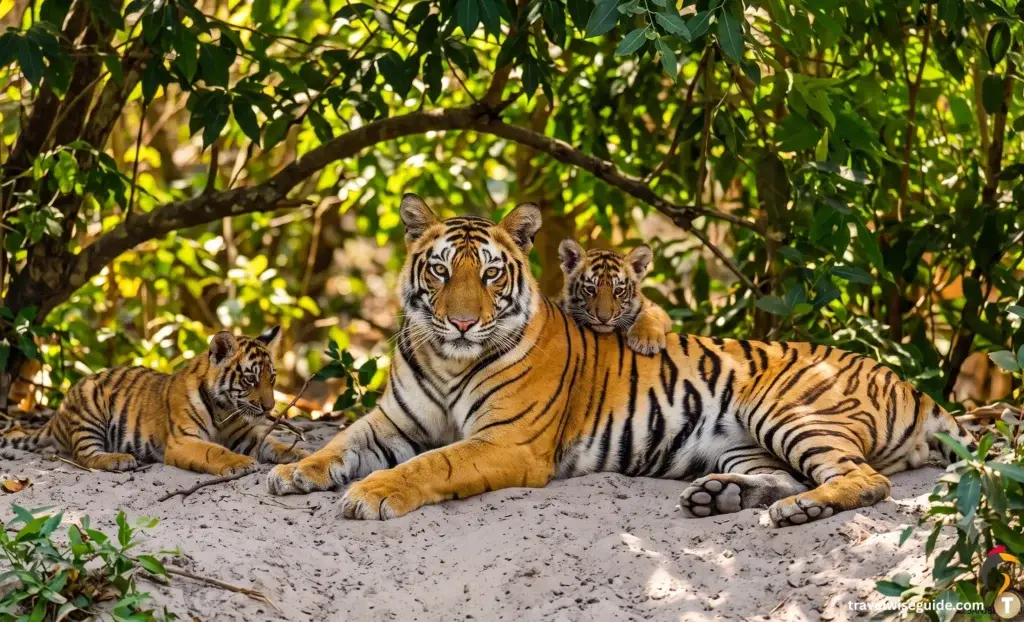
If seeing a wild tiger is at the top of your travel wish list, few places rival Bandhavgarh National Park.
Renowned for one of the highest densities of Royal Bengal Tigers in India, Bandhavgarh has earned an international reputation among wildlife enthusiasts and photographers. Every safari carries a genuine sense of anticipation as alarm calls echo through the forest and experienced guides search patiently for signs of movement.
The landscape itself is equally captivating. Dense sal forests blend into open grasslands, rocky cliffs rise dramatically above the jungle, and ancient ruins emerge unexpectedly from the wilderness.
High above the forest stands the historic Bandhavgarh Fort, believed to date back over two thousand years. Legends connect the fort to the Ramayana, adding historical intrigue to an already extraordinary wildlife destination.
Beyond tigers, the park supports an impressive diversity of wildlife including leopards, sloth bears, jackals, wild boar, spotted deer, sambar, langurs, and more than 250 bird species.
Every safari feels different, making Bandhavgarh a destination worth experiencing over multiple game drives.
Quick Travel Snapshot – Bandhavgarh
Best Time: November to April
Ideal Stay: 2–3 Days
Budget: ₹4,000–₹8,000 per day
Highlights
- Royal Bengal Tiger safaris
- Tala Zone
- Bandhavgarh Fort
- Rich birdlife
- Beautiful sal forests
Travel Tip
Choose both a morning and an afternoon safari. Wildlife behaviour changes throughout the day, giving you better opportunities for memorable sightings.
Kanha National Park – The Living Heart of The Jungle Book
Among India’s many wildlife reserves, Kanha National Park possesses a unique atmosphere that has inspired travellers, conservationists, and nature lovers for generations.
Widely believed to have inspired Rudyard Kipling’s The Jungle Book, Kanha offers a landscape of sweeping grasslands, mist-covered meadows, dense sal forests, and crystal-clear streams that seem almost untouched by time.
The park is internationally recognised for its successful conservation of the endangered hard-ground barasingha, often called the swamp deer. Once close to extinction, this elegant species now thrives here thanks to decades of dedicated conservation work.
Tiger sightings remain a major attraction, but Kanha rewards visitors even when the big cats remain hidden. Herds of spotted deer graze peacefully across open meadows while gaur, India’s largest wild cattle, wander through the forests. Langurs leap between towering trees as colourful birds fill the morning air with song.
A sunrise safari in Kanha offers one of the most peaceful wildlife experiences in India, where soft golden light slowly filters through the forest canopy and every sound feels amplified by the stillness of nature.
Quick Travel Snapshot – Kanha National Park
Best Time: October to June
Ideal Stay: 2–3 Days
Budget: ₹4,500–₹9,000 per day
Highlights
- Tiger safaris
- Barasingha conservation
- Mukki Zone
- Kisli Zone
- Beautiful meadows
- Birdwatching
Travel Tip
Visit between March and May if your main goal is wildlife photography, as animals gather more frequently around water sources during the warmer months.
Wildlife Safari Experience in Central India
For wildlife lovers, Central India offers some of the finest safari experiences anywhere in Asia. Unlike African safaris across open plains, Indian safaris unfold slowly through dense forests where patience becomes part of the adventure.
The excitement begins long before a tiger appears. Fresh pugmarks on the dusty track, distant alarm calls from deer, monkeys staring into the trees, and the sudden silence of the forest all hint that a predator may be nearby.
Every drive becomes a lesson in reading nature.
Suggested 3–4 Day Safari Plan
Day 1
Arrive at your chosen safari destination, check into a forest lodge, attend the safari briefing, and relax for the evening.
Day 2
Enjoy an early morning jeep safari followed by an afternoon safari in a different zone for varied wildlife sightings.
Day 3
Take a guided village or nature walk, learn about local conservation efforts, and head out for one final afternoon safari before departing the next morning.
Safari Tips
- Book authorised jeep safaris well in advance, especially during the winter season.
- Morning safaris generally provide the most comfortable weather and excellent wildlife activity.
- Wear muted earth-coloured clothing that blends naturally with the forest.
- Carry binoculars, a telephoto camera lens, drinking water, sunscreen, and a light jacket for early departures.
- Maintain silence during wildlife sightings to avoid disturbing animals and to improve everyone’s experience.
Sanchi Stupa – The Peaceful Soul of Buddhism
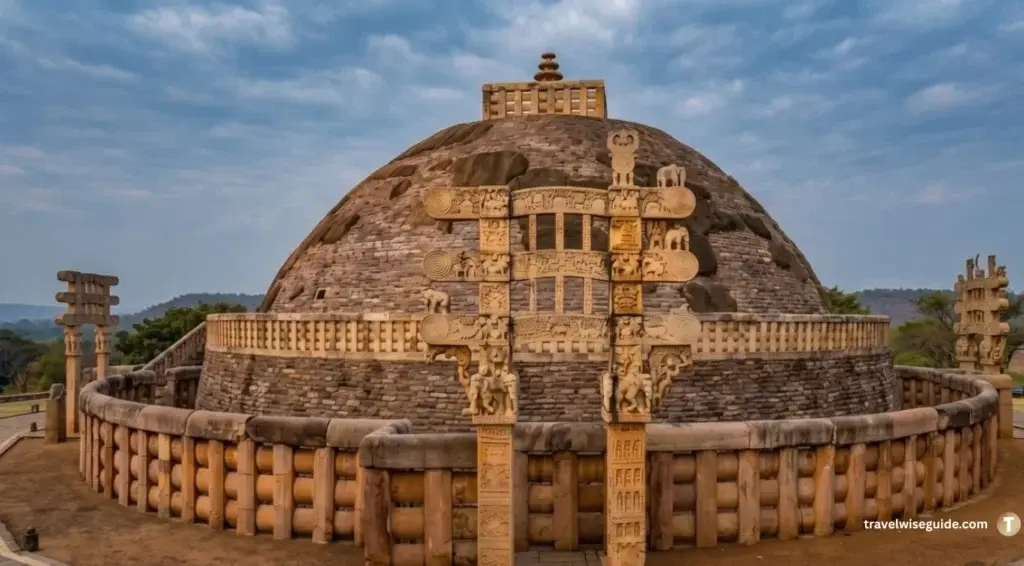
If there is one place in Central India where silence speaks louder than words, it is Sanchi.
Perched on a gentle hill around 50 kilometres from Bhopal, Sanchi has remained a symbol of peace and Buddhist philosophy for more than two thousand years. Commissioned by Emperor Ashoka in the 3rd century BCE after embracing Buddhism, the Great Stupa stands as one of the oldest surviving stone monuments in India.
Unlike many religious monuments known for grandeur, Sanchi captivates visitors through its simplicity. The perfectly rounded dome, graceful stone railings, and beautifully carved gateways create an atmosphere that encourages quiet reflection rather than spectacle.
The four magnificent Toranas (ornamental gateways) are among the finest examples of ancient Indian sculpture. Every panel narrates episodes from the life of the Buddha, scenes from the Jataka Tales, and symbols representing compassion, wisdom, and harmony. Remarkably, the Buddha himself is often represented symbolically through footprints, the Bodhi tree, or the Dharma wheel rather than in human form.
The nearby Archaeological Museum preserves sculptures, inscriptions, and the famous Ashokan Lion Capital, helping visitors understand the historical significance of this sacred complex.
Whether you follow Buddhism or simply appreciate history, Sanchi leaves a lasting impression through its timeless tranquillity.
Quick Travel Snapshot – Sanchi Stupa
Best Time: November to February
Ideal Stay: Half Day to 1 Day
Budget: ₹1,500–₹3,500 per day (stay in nearby Bhopal)
Must Visit
- Great Stupa No. 1
- Eastern, Western, Northern & Southern Gateways
- Ashoka Pillar
- Archaeological Museum
- Buddhist Monasteries
Travel Tip
Visit during the early morning when the hilltop remains peaceful and the soft sunlight beautifully highlights the intricate carvings on the gateways.
Ujjain – The Eternal City of Mahakal
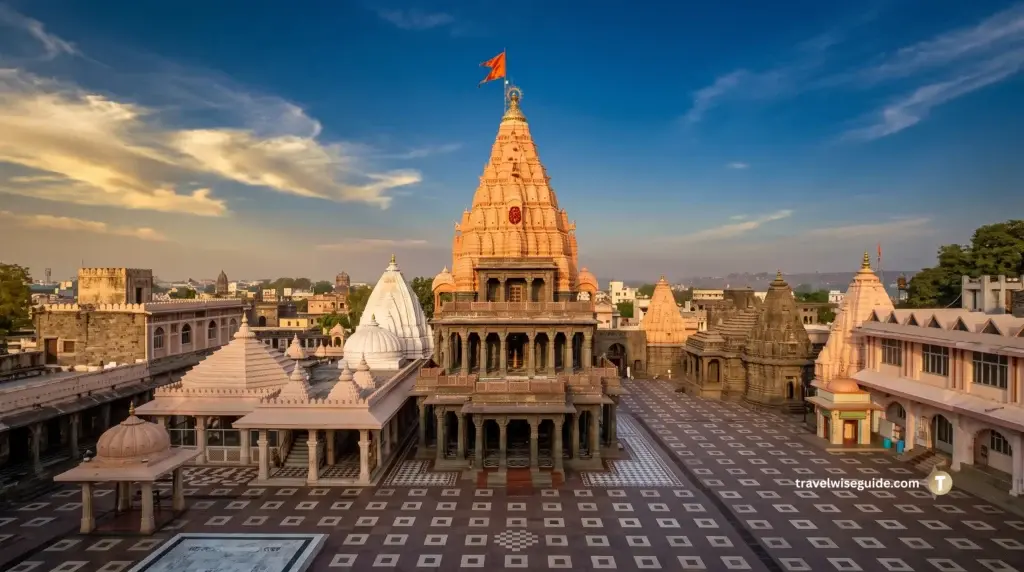
Some cities are visited for their monuments.
Others are remembered for the emotions they awaken.
Ujjain belongs firmly to the second category.
One of India’s seven sacred cities and home to the revered Mahakaleshwar Jyotirlinga, Ujjain has attracted pilgrims, saints, scholars, and travellers for thousands of years. Every lane around the temple echoes with devotional chants, while the fragrance of incense drifts through bustling markets filled with flowers and offerings.
The spiritual heart of the city is the Mahakaleshwar Temple, dedicated to Lord Shiva. Unlike any other temple in India, the famous Bhasma Aarti, performed before sunrise, creates an unforgettable atmosphere of devotion and ancient ritual. Watching hundreds of devotees gather before dawn is an experience that stays with visitors long after they leave.
As evening approaches, the banks of the sacred Shipra River come alive during the evening aarti. Lamps float gently across the water while rhythmic chants and temple bells fill the air, creating one of Central India’s most peaceful spiritual experiences.
Beyond its religious importance, Ujjain also hosts the Simhastha Kumbh Mela, one of the world’s largest religious gatherings, held every twelve years.
Quick Travel Snapshot – Ujjain
Best Time: October to March
Ideal Stay: 1–2 Days
Budget: ₹1,500–₹4,000 per day
Must Visit
- Mahakaleshwar Temple
- Shipra River Ghats
- Kal Bhairav Temple
- Harsiddhi Temple
- Ram Ghat
Travel Tip
If you wish to attend the Bhasma Aarti, make advance bookings well before your visit, as entry is limited and highly sought after.
Gwalior – A Symphony Carved in Stone
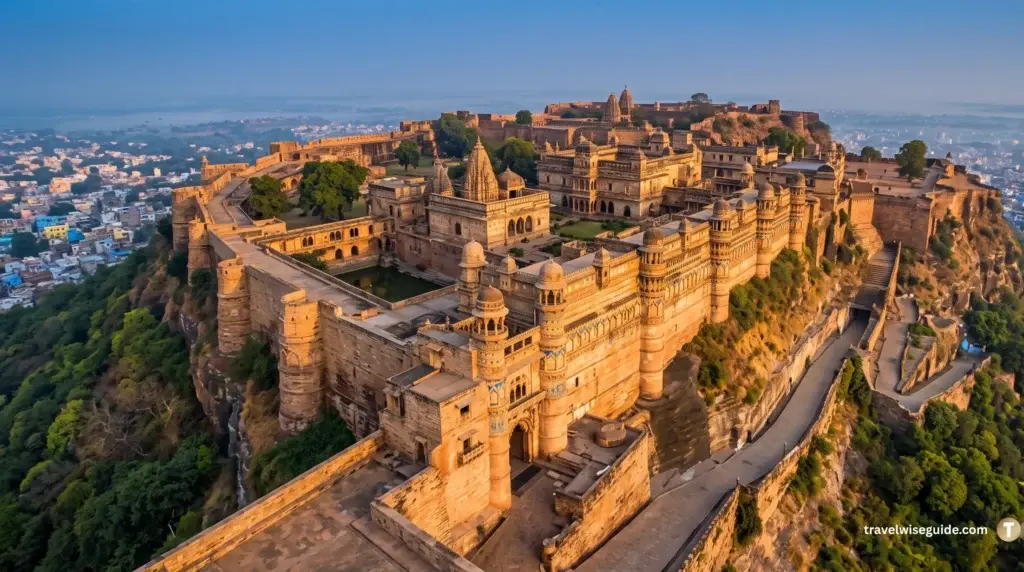
Rising dramatically above the surrounding plains, Gwalior Fort dominates the skyline much as it has for over a thousand years.
Often described as one of India’s greatest hill forts, Gwalior blends military strength with artistic elegance. Massive sandstone walls protect beautifully decorated palaces, ancient temples, hidden reservoirs, and centuries of royal history.
Within the fort, the magnificent Man Singh Palace immediately captures attention with its striking blue and yellow glazed tile decorations that continue to shine despite the passing centuries. Underground chambers, grand courtyards, and carved balconies reveal the sophistication of medieval architecture.
The city’s cultural identity extends beyond its fortifications. Music lovers recognise Gwalior as the home of the legendary musician Tansen, one of Emperor Akbar’s celebrated Navratnas. Every year, the internationally renowned Tansen Music Festival honours his extraordinary contribution to Indian classical music.
A short distance away, the magnificent Jai Vilas Palace showcases European-inspired architecture, lavish interiors, and one of India’s most impressive royal museums.
Gwalior serves as a seamless bridge between the royal fortresses of Central India and the rich culinary heritage of the northern plains. [Explore our complete North India Travel Guide for more historical and cultural trails.]
Quick Travel Snapshot – Gwalior
Best Time: October to February
Ideal Stay: 1–2 Days
Budget: ₹2,000–₹5,000 per day
Must Visit
- Gwalior Fort
- Man Singh Palace
- Jai Vilas Palace
- Tansen Tomb
- Sas Bahu Temples
Travel Tip
Allow at least half a day to explore Gwalior Fort. The complex is much larger than many visitors expect and involves plenty of walking.
Bhopal & Bhimbetka – Where Lakes Meet Prehistoric Art
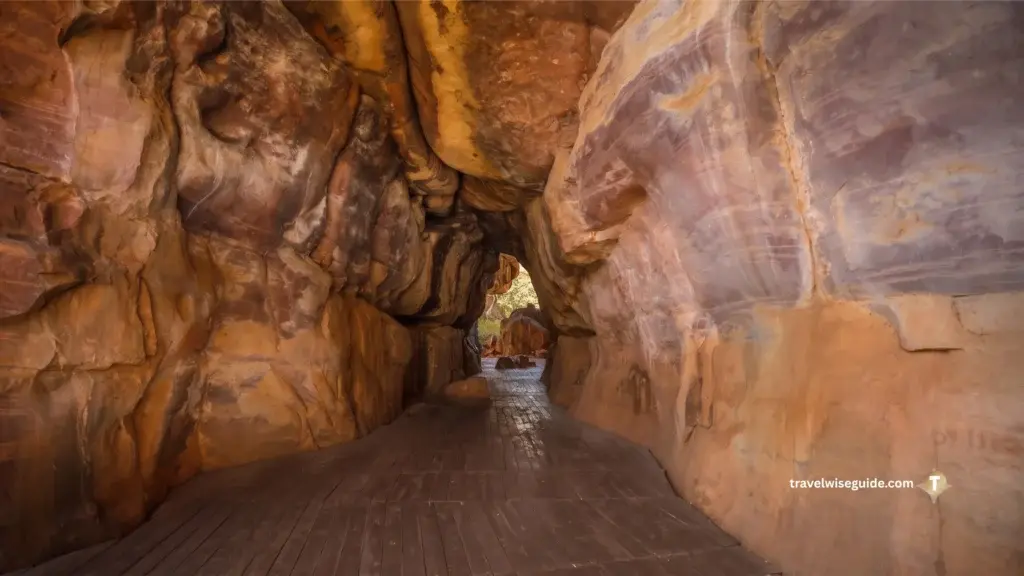
Few cities combine natural beauty, tribal culture, and ancient history as gracefully as Bhopal.
Known as the City of Lakes, Bhopal offers a refreshing contrast to the surrounding heritage towns. Its peaceful waterfronts, wide boulevards, vibrant markets, and excellent museums make it one of Central India’s most relaxed urban destinations.
The stunning Upper Lake provides a perfect setting for evening walks and boat rides, while the Tribal Museum offers fascinating insights into the traditions, craftsmanship, and beliefs of Central India’s indigenous communities.
Less than an hour away lies one of India’s most extraordinary archaeological treasures—Bhimbetka Rock Shelters.
These prehistoric caves contain paintings believed to be thousands of years old, making them among the earliest known examples of human artistic expression on the Indian subcontinent.
Scenes of hunting, dancing, family life, animals, and ceremonies remain remarkably preserved on the cave walls, offering a rare glimpse into life long before written language existed.
Walking through Bhimbetka feels less like visiting a monument and more like stepping into humanity’s earliest art gallery. The prehistoric art of Central India shares a fascinating historical timeline with the ancient maritime trade routes and desert kingdoms located further west. [Discover golden deserts and coastal history in our West India Travel Guide.]
Quick Travel Snapshot – Bhopal & Bhimbetka
Best Time: October to March
Ideal Stay: 2 Days
Budget: ₹2,000–₹5,000 per day
Must Visit
- Upper Lake
- Tribal Museum
- Van Vihar National Park
- Bhimbetka Rock Shelters
- State Museum
Travel Tip
Begin your day at Bhimbetka before the afternoon heat and spend the evening relaxing beside Upper Lake in Bhopal.
Orchha – A Forgotten Kingdom Beside the Betwa
There are places that seem untouched by time.
Orchha is one of them.
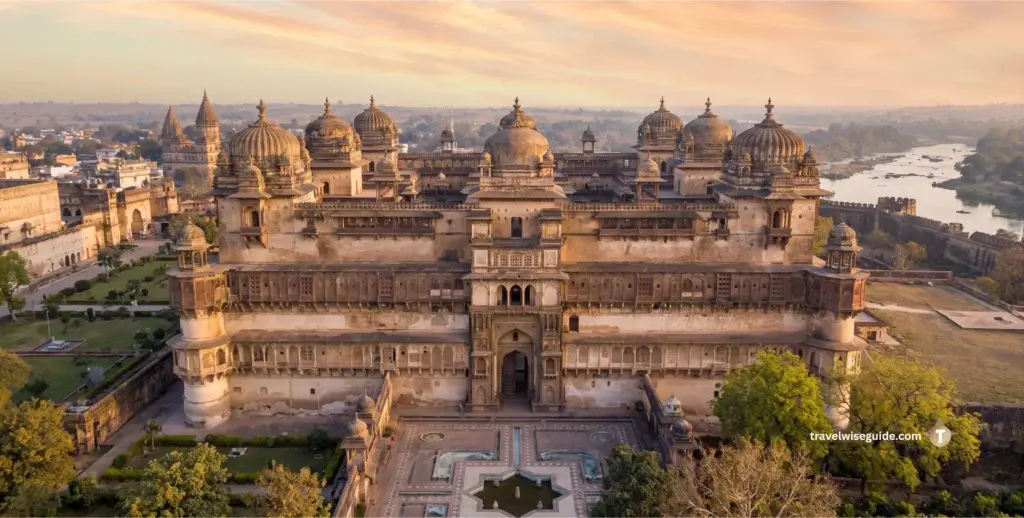
Situated peacefully along the Betwa River, Orchha remains one of Central India’s finest hidden heritage destinations. Once the capital of the Bundela kings, the town still preserves its magnificent palaces, towering temples, and graceful royal cenotaphs with remarkable authenticity.
The imposing Orchha Fort Complex overlooks the river, where grand courtyards, painted halls, and elegant balconies tell stories of royal life centuries ago.
Nearby, the soaring Chaturbhuj Temple dominates the skyline with its distinctive blend of temple and palace architecture, while the riverside chhatris create one of the most photogenic landscapes in Madhya Pradesh.
At sunset, the reflection of these royal memorials shimmering across the Betwa River creates an atmosphere of extraordinary calm that many travellers remember as the highlight of their Central India journey.
Unlike more crowded heritage cities, Orchha rewards those willing to slow down, wander quiet lanes, and absorb its timeless character.
Quick Travel Snapshot – Orchha
Best Time: October to March
Ideal Stay: 1–2 Days
Budget: ₹1,800–₹4,500 per day
Must Visit
- Orchha Fort Complex
- Jahangir Mahal
- Raja Mahal
- Chaturbhuj Temple
- Betwa River Chhatris
Travel Tip
Stay overnight if possible. Orchha becomes wonderfully peaceful after day visitors leave, and sunrise over the Betwa River is particularly beautiful.
The Heart of India’s Rare Landscapes: Nature’s Finest Geological Wonders
Central India is celebrated for its tigers, temples, and sacred cities, but it also hides landscapes that seem almost impossible to believe until you see them for yourself. Over millions of years, rivers, wind, and shifting rock have sculpted dramatic valleys, towering cliffs, and spectacular waterfalls that remain among the country’s most remarkable natural attractions.
These geological wonders reveal another side of Central India—one shaped not by kings or dynasties, but by nature itself.
Bhedaghat Marble Rocks – The Narmada’s Timeless Masterpiece
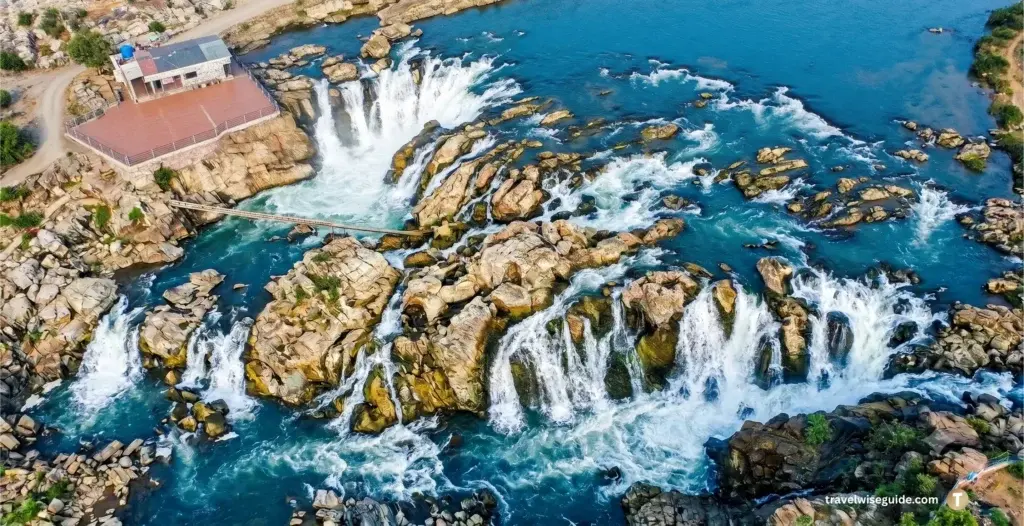
Few landscapes in India are as mesmerising as Bhedaghat, where the mighty Narmada River has patiently carved a breathtaking marble canyon over countless centuries.
Towering white cliffs, rising nearly 100 feet above the river, change colour throughout the day. In the morning they glow soft ivory, by afternoon they shine brilliant white, and at sunset they take on delicate shades of gold and pink. During a full-moon night, the marble reflects silver light, creating one of the most magical landscapes in India.
A traditional boat ride through the narrow gorge is the highlight of every visit. As the boat glides quietly between the towering cliffs, local boatmen often share humorous stories, legends, and fascinating facts about the uniquely shaped rock formations that resemble elephants, temples, birds, and mythical figures.
Just a short distance away lies the spectacular Dhuandhar Falls, where the Narmada suddenly narrows before plunging dramatically into a deep gorge. The powerful cascade throws fine mist high into the air, giving the waterfall its name—Dhuandhar, meaning “a stream of smoke.”
The nearby ropeway offers magnificent panoramic views of both the waterfall and the marble canyon, making it especially popular with photographers.Trading dry deciduous forests for lush, mist-covered hills, the eastern corridor provides a beautiful contrast rich in ancient tribal heritage. [Uncover untouched regional beauty and unique ecosystems in our East India Itinerary.]
Quick Travel Snapshot – Bhedaghat
Best Time: October to March
Ideal Stay: Half Day to 1 Day
Budget: ₹1,500–₹3,500 per day (from Jabalpur)
Must Experience
- Marble Rocks Boat Ride
- Dhuandhar Falls
- Ropeway
- Sunset Photography
- Full Moon Boat Ride (when available)
Travel Tip
Plan your boat ride either early in the morning or close to sunset, when the changing light creates the most beautiful colours on the marble cliffs.
Suggested 4-Day Heritage Trail
Gwalior – Orchha – Bhopal
This short itinerary combines medieval forts, peaceful riverside heritage, museums, and UNESCO history, making it ideal for first-time visitors exploring Central India.
Day 1 – Gwalior
- Explore Gwalior Fort
- Visit Jai Vilas Palace Museum
- Discover Tansen’s Tomb
- Enjoy local cuisine before an overnight stay
Day 2 – Orchha
Travel to Orchha in the morning.
Spend the day exploring:
- Orchha Fort Complex
- Raja Mahal
- Jahangir Mahal
- Chaturbhuj Temple
- Evening walk beside the Betwa River
Stay overnight in Orchha.
Day 3 – Bhopal
Drive or take a train towards Bhopal.
Enjoy a relaxed evening visiting:
- Upper Lake
- Local markets
- Traditional restaurants
Overnight in Bhopal.
Day 4 – Bhopal & Bhimbetka
Visit:
- Bhimbetka Rock Shelters
- Tribal Museum
- Van Vihar National Park
If time allows, extend your journey by another day to include Sanchi Stupa, one of India’s finest Buddhist heritage sites.
Best Time to Visit Central India
Central India’s climate changes dramatically throughout the year, especially inside its famous tiger reserves. Choosing the right season can make a significant difference to your overall travel experience.
Winter (October – March): The Perfect Season
For most travellers, winter offers the ideal balance of pleasant weather and comfortable sightseeing.
Average temperatures range between 10°C and 28°C, making it the best season for exploring temples, forts, heritage towns, and UNESCO sites.
Morning safaris are particularly enjoyable, with cool air, mist-covered forests, and excellent opportunities for wildlife photography.
Best for
- Heritage tours
- Temple visits
- Family holidays
- Photography
- Wildlife safaris
Summer (April – June): Best for Tiger Sightings
Although temperatures frequently exceed 40°C, summer offers wildlife enthusiasts the greatest chance of spotting tigers.
As natural water sources become scarce, animals gather around lakes and watering holes, making sightings considerably more frequent.
Visitors should prepare for very hot afternoons by carrying plenty of water, wearing lightweight clothing, and scheduling outdoor activities early in the day.
Best for
- Tiger photography
- Wildlife enthusiasts
- Experienced safari travellers
Monsoon (July – September)
The monsoon transforms Central India’s forests into lush green landscapes.
However, most national parks remain closed during this period to protect wildlife and maintain park infrastructure.
While wildlife safaris are unavailable, heritage destinations such as Ujjain, Gwalior, Orchha, Khajuraho, and Bhopal remain open and become beautifully refreshed after the rains.
Central India Safari Seasons at a Glance
| Season | Weather | Crowd Level | Wildlife Experience |
|---|---|---|---|
| October – March | Cool & pleasant | Moderate | Excellent overall |
| April – June | Very hot | Moderate | Best tiger sightings |
| July – September | Heavy rain | Low | Parks largely closed |
Travel Tip: If wildlife is your main priority, book your safari well in advance. Morning jeep safaris generally offer the highest chances of spotting tigers and other animals.
Festivals That Bring Central India to Life
Central India’s cultural calendar reflects the warmth and diversity of its people. Whether celebrated in bustling cities or quiet villages, festivals here are marked by devotion, music, colour, and a strong sense of community. Celebrating with the locals makes any holiday much more special. To perfectly time your trip, take a look at our [Festivals in 2026: Indian Festivals Calendar & Dates]
Holi – A Festival of Colour and Togetherness
Spring arrives with clouds of vibrant colours, joyful celebrations, traditional music, and family gatherings. Across Madhya Pradesh and neighbouring states, Holi transforms towns into lively celebrations of friendship and renewal.
Mahashivratri – The Night of Lord Shiva
Nowhere is Mahashivratri more spiritually moving than in Ujjain.
Thousands of devotees gather at Mahakaleshwar Temple throughout the night to offer prayers, participate in special ceremonies, and witness the city’s extraordinary atmosphere of devotion.
Eid-ul-Fitr
Following the holy month of Ramadan, communities across Central India celebrate Eid with prayers, festive meals, and acts of generosity. Traditional dishes such as biryani and sheer khurma bring families and neighbours together in celebration.
Republic Day & New Year
Cities throughout the region proudly celebrate national festivals with cultural programmes, flag ceremonies, music, and community events that unite residents and visitors alike.
Practical Travel Tips for Central India
Book tiger safaris several weeks in advance during the peak season.
Carry binoculars if wildlife photography interests you.
Respect silence inside temples and wildlife reserves.
Dress modestly while visiting religious sites.
Wear comfortable walking shoes for forts and archaeological sites.
Keep cash available for smaller towns where digital payments may occasionally be limited.
Start sightseeing early to avoid afternoon heat, particularly during summer.
Why Central India Deserves a Place on Your Travel List
Central India is a destination that quietly leaves a lasting impression.
Its forests remind you that true wilderness still exists. Its temples reveal the extraordinary skill of ancient craftsmen. Sacred rivers continue traditions that have flowed uninterrupted for centuries, while prehistoric caves preserve stories painted long before written history began.
Whether you come searching for a tiger in Kanha, the spiritual energy of Ujjain, the timeless sculptures of Khajuraho, or the marble cliffs of Bhedaghat, every journey through the heart of India offers something deeper than sightseeing—it offers perspective.
Away from crowded tourist trails, Central India rewards curious travellers with authentic experiences, warm hospitality, and unforgettable landscapes where nature, history, and faith continue to thrive together.
Suggested 7-Day Central India Itinerary
This itinerary is ideal for travellers looking for a balanced mix of history, spirituality, and wildlife.
| Day | Destination | Highlights |
|---|---|---|
| Day 1 | Khajuraho | UNESCO temples & Light and Sound Show |
| Day 2 | Khajuraho → Bandhavgarh | Scenic drive and evening relaxation |
| Day 3 | Bandhavgarh | Morning & afternoon tiger safaris |
| Day 4 | Bhopal | Lakes, museums, local cuisine |
| Day 5 | Sanchi | Great Stupa & Buddhist heritage |
| Day 6 | Ujjain | Mahakaleshwar Temple & Shipra Aarti |
| Day 7 | Departure | Optional visit to Indore or onward journey |
Perfect 10-Day Central India Itinerary
If you have extra time, this itinerary allows you to experience the region in greater depth.
| Day | Destination |
|---|---|
| Day 1 | Gwalior |
| Day 2 | Orchha |
| Day 3 | Khajuraho |
| Day 4 | Bandhavgarh |
| Day 5 | Bandhavgarh Safari |
| Day 6 | Kanha National Park |
| Day 7 | Kanha Safari |
| Day 8 | Bhopal & Bhimbetka |
| Day 9 | Sanchi & Ujjain |
| Day 10 | Bhedaghat / Departure |
This route offers an excellent balance of wildlife, UNESCO sites, sacred destinations, and scenic landscapes without feeling rushed.
Estimated Travel Budget
| Travel Style | Average Cost Per Day |
|---|---|
| Budget | ₹2,000–₹4,000 |
| Mid-range | ₹4,000–₹8,000 |
| Premium | ₹8,000–₹15,000+ |
Safari permits, accommodation category, and transport choices have the greatest influence on the overall cost.
How to Reach Central India
Central India is easily accessible from major Indian cities.
By Air
Major airports include:
- Khajuraho
- Bhopal
- Jabalpur
- Gwalior
- Indore
These airports are connected with Delhi, Mumbai, Hyderabad, Bengaluru, and other major cities.
By Train
Indian Railways connects most major destinations in Central India.
Important railway stations include:
- Bhopal Junction
- Gwalior Junction
- Jabalpur Junction
- Khajuraho
- Ujjain Junction
By Road
The region has an extensive highway network connecting Madhya Pradesh with Rajasthan, Uttar Pradesh, Maharashtra, Chhattisgarh, and Gujarat.
Road trips are especially rewarding, allowing travellers to discover smaller heritage towns and scenic countryside along the way.
Essential Travel Tip
FAQs About Central India Travel Guide
How many days are enough to explore Central India?
A 7-day itinerary is ideal for covering the region’s major highlights, while 10 days allows you to enjoy additional wildlife safaris, heritage towns, and cultural attractions at a relaxed pace. Travellers interested in tiger reserves should plan at least two nights in each national park.
What is the best time to visit Central India?
The best time to visit Central India is October to March, when the weather is cool and comfortable for sightseeing, temple visits, and wildlife safaris. For the highest chances of spotting tigers, many wildlife enthusiasts prefer travelling between March and May, despite the warmer temperatures.
Which are the best places to visit in Central India?
Some of the top places to visit in Central India include Khajuraho, Bandhavgarh National Park, Kanha National Park, Sanchi Stupa, Ujjain, Orchha, Gwalior, Bhopal, Bhimbetka Rock Shelters, and Bhedaghat Marble Rocks. These destinations offer a mix of history, spirituality, wildlife, and natural beauty.
Is Central India good for wildlife safaris?
Yes. Central India is one of India’s premier wildlife destinations, home to famous tiger reserves such as Bandhavgarh National Park and Kanha National Park. Visitors can also spot leopards, sloth bears, barasingha, gaur, deer, and hundreds of bird species during guided jeep safaris.
How much does a Central India trip cost?
Central India is well connected by air, rail, and road. Major airports include Bhopal, Jabalpur, Gwalior, Khajuraho, and Indore, while key railway stations connect the region with cities such as Delhi, Mumbai, Bengaluru, Hyderabad, and Kolkata.
Is Central India suitable for family trips and solo travellers?
Yes. Central India is an excellent destination for families, couples, solo travellers, photographers, and spiritual seekers. With well-connected cities, diverse attractions, national parks, heritage sites, and peaceful towns, the region offers safe and memorable experiences for a wide range of travellers.
Conclusion: Discover the Soul of Central India
Central India is more than a destination—it is where India’s wilderness, spirituality, and history meet in perfect harmony.
One day you may find yourself watching a tiger disappear silently into the forests of Bandhavgarh. The next, you could be standing beneath the thousand-year-old sculptures of Khajuraho, listening to temple bells in Ujjain, or gliding between the marble cliffs of Bhedaghat as the Narmada reflects the evening sky.
Every stop reveals a different chapter of India’s story—one written in stone, shaped by rivers, protected by forests, and kept alive through centuries of tradition.
Whether you are a wildlife enthusiast, history lover, photographer, pilgrim, or first-time visitor, Central India offers experiences that feel authentic, peaceful, and unforgettable.
If you are planning a journey through India that goes beyond the usual tourist trail, let Central India surprise you. Here, every sunrise promises a new adventure, and every road leads to stories waiting to be discovered.